
Health officials recently confirmed a connection between contaminated organic blueberries and a cluster of stomach illnesses reported by a dozen shoppers who had purchased the fruit at Publix locations. The episode has drawn renewed attention to produce safety practices and prompted the chain to remove the affected items from shelves while investigators trace the source. Public health agencies in multiple states continue to monitor additional reports as the Publix Blueberry Recall E coli investigation unfolds. Families who bought the berries in recent weeks are being urged to check their refrigerators and freezers and to discard any packages matching the recalled codes. Retailers have posted notices at checkout counters and on their websites to alert customers who may have missed the initial announcements.
Details Behind the Blueberry Withdrawal
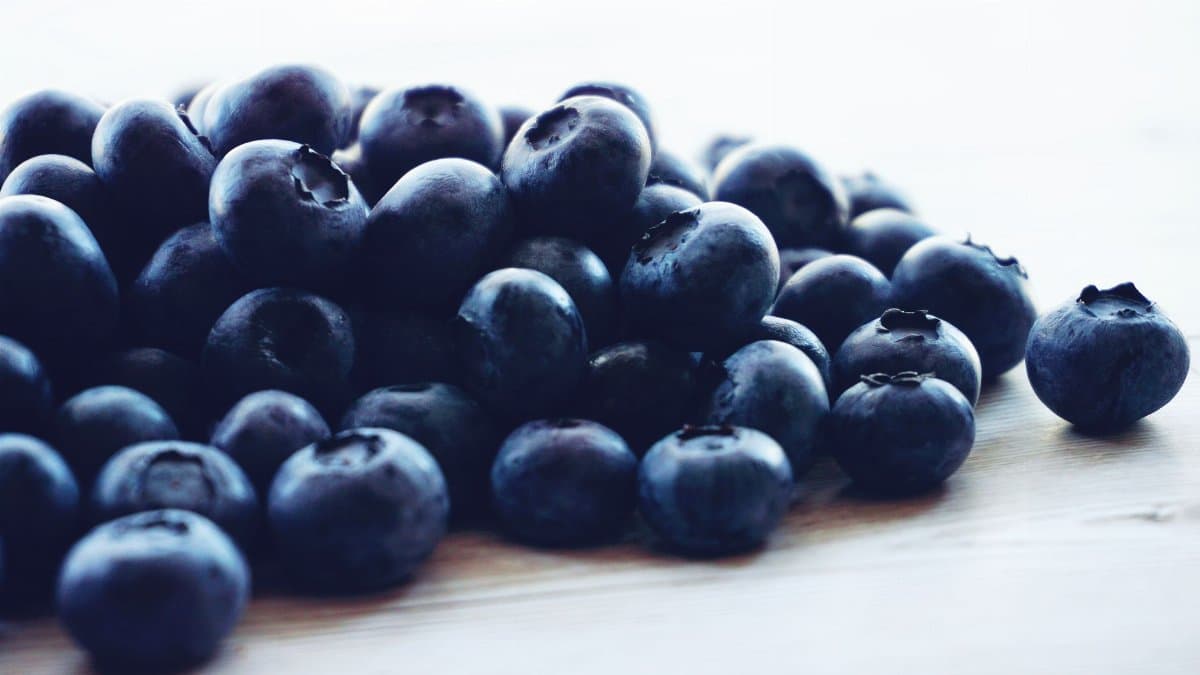
The recalled product consists of one pound clamshell containers labeled as organic blueberries and sold under the Publix brand. Lot codes and sell by dates posted by regulators indicate the fruit originated from a single grower in the southeastern United States. Company representatives say the withdrawal covers only a limited number of stores yet the precautionary step extends to distribution centers serving several neighboring states.
How Authorities Traced the Illnesses

State laboratories matched bacterial strains collected from patients with samples taken from blueberry samples still on store shelves. The genetic fingerprinting process took several days and required cooperation between Florida and Georgia health departments. Once the link was established, federal partners joined the effort to determine whether the contamination occurred on the farm, during packing, or in transit.
Symptoms Reported by Affected Shoppers

Those who became ill described sudden abdominal cramps followed by diarrhea that sometimes contained blood. Most people recovered at home after several days of rest and fluids yet two individuals required brief hospital stays for dehydration. Doctors note that older adults and young children remain at higher risk for complications from this particular strain.
Steps for Customers Seeking Refunds

Publix has instructed shoppers to return any remaining berries to the customer service desk for a full refund even without a receipt. The chain also offers the option to request a store credit through its mobile app by uploading a photo of the package label. Representatives emphasize that no further action is needed beyond disposing of the product safely.
Broader Impact on Organic Berry Sales
Industry analysts observe that consumer confidence in fresh berries can dip after such announcements even when the recall remains geographically narrow. Some competing grocers report a temporary uptick in demand for frozen alternatives while shoppers wait for clearer guidance on fresh supply. Growers associations have called for additional testing protocols to prevent similar disruptions in future seasons.
Role of Irrigation Water in Produce Safety
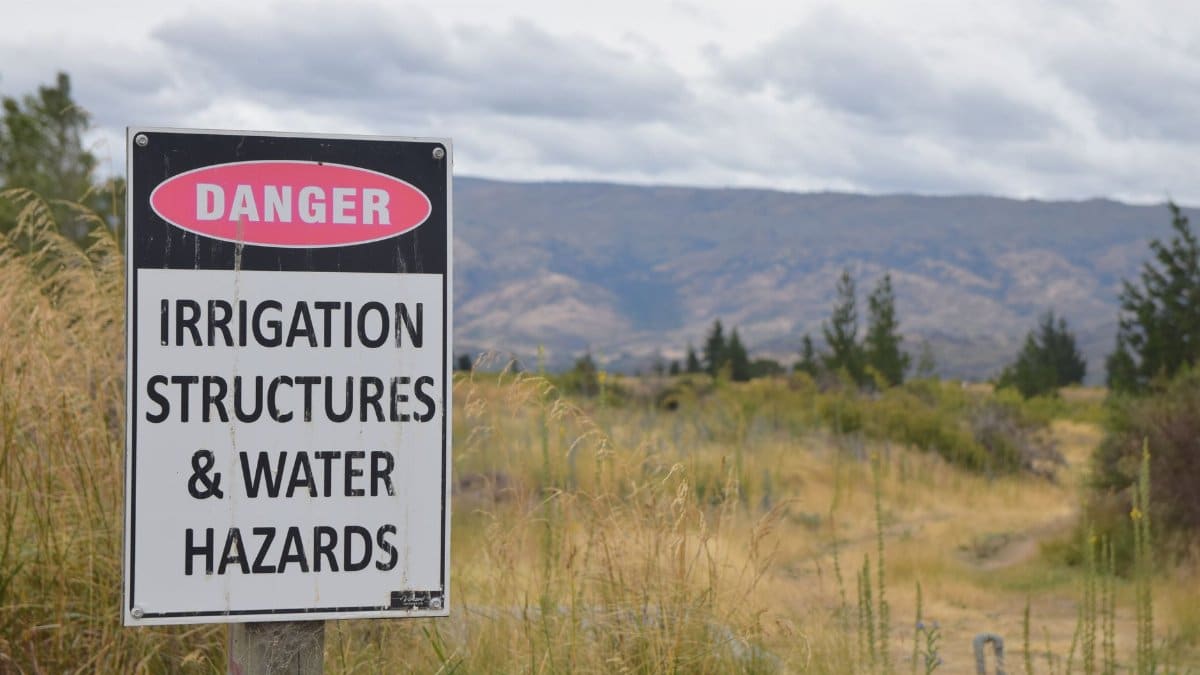
Investigators are examining water sources used on the implicated farm because E coli bacteria often travel through irrigation systems. Routine water testing forms part of standard food safety plans yet gaps can appear when heavy rainfall or equipment failure introduces unexpected contaminants. Experts recommend that farms maintain detailed logs to speed up future trace back efforts.
Advice from Public Health Experts

Physicians continue to remind households to rinse all fresh fruit under running water and to wash hands before handling produce. They also suggest cooking berries when possible for those most vulnerable to infection. The Centers for Disease Control and Prevention maintains an updated list of active recalls on its website for anyone seeking the latest status.
Comparison With Earlier Berry Incidents

Similar withdrawals involving strawberries and blackberries occurred in prior years yet the current case stands out because of the rapid identification of the bacterial match. Improved laboratory networks now allow faster confirmation than was possible a decade ago. Still, regulators stress that prevention at the farm level offers the best protection for consumers.
Future Measures Proposed by Regulators
Discussions are underway about expanding required testing for certain high risk crops before they reach retail shelves. Some proposals include third party audits funded jointly by growers and retailers. Industry groups have expressed willingness to participate provided the new rules remain practical for smaller operations.