
Families in Colorado have watched with growing concern as conditions inside many elder care settings deteriorate. Relatives who once felt reassured by professional oversight now encounter repeated signs of neglect and inadequate support. State records show a steady climb in documented problems that fall under the broad category of Colorado Nursing Homes Violations. These issues touch on daily routines, medication management and basic safety measures that residents depend upon. Observers note that the trend coincides with persistent labor shortages and tighter operating budgets across the sector.
Daily Realities Inside Affected Facilities

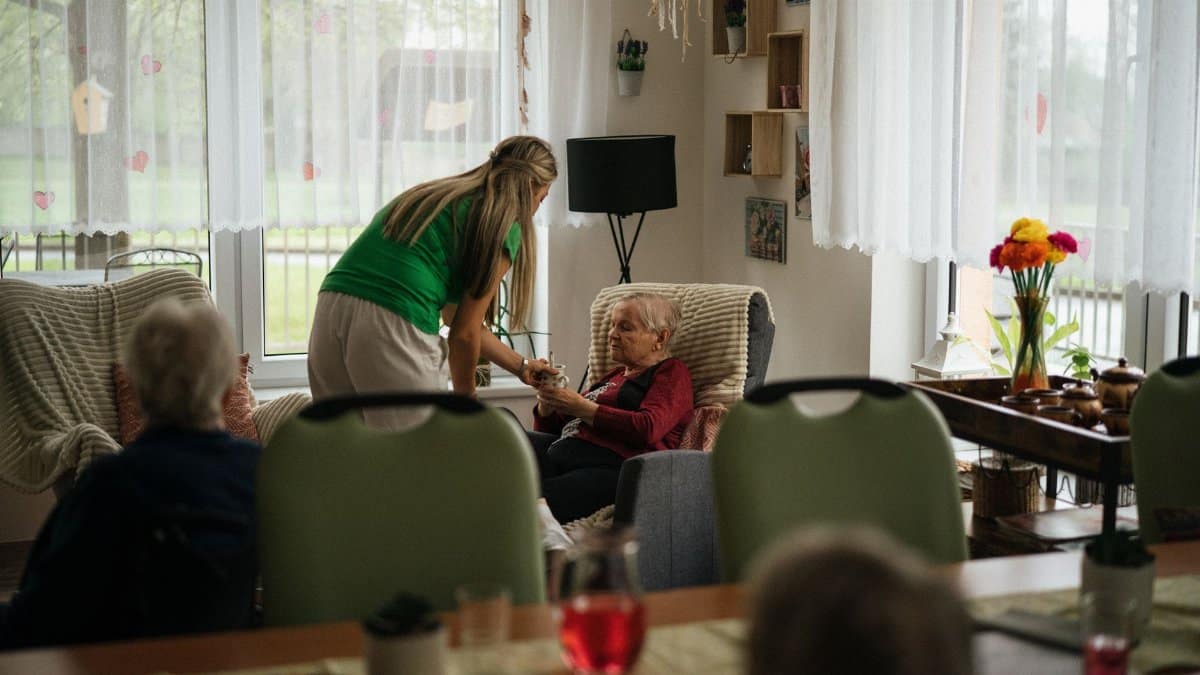
Residents often wait extended periods for help with simple tasks such as dressing or using the restroom. Staff members describe shifts that stretch beyond scheduled hours because replacements fail to appear. One facility in the Denver area logged repeated instances where call buttons went unanswered for more than thirty minutes. Such delays erode the sense of security that families expect when they entrust loved ones to professional care.
Regulatory Inspections Reveal Patterns

State survey teams conduct routine checks yet frequently discover the same shortcomings across multiple sites. Citations range from incomplete medical charts to insufficient infection control practices. The accumulation of these findings fuels public discussion about Colorado Nursing Homes Violations and the mechanisms meant to prevent them. Inspectors report that some homes receive warnings yet continue operations with minimal immediate correction.
Impact on Resident Health Outcomes
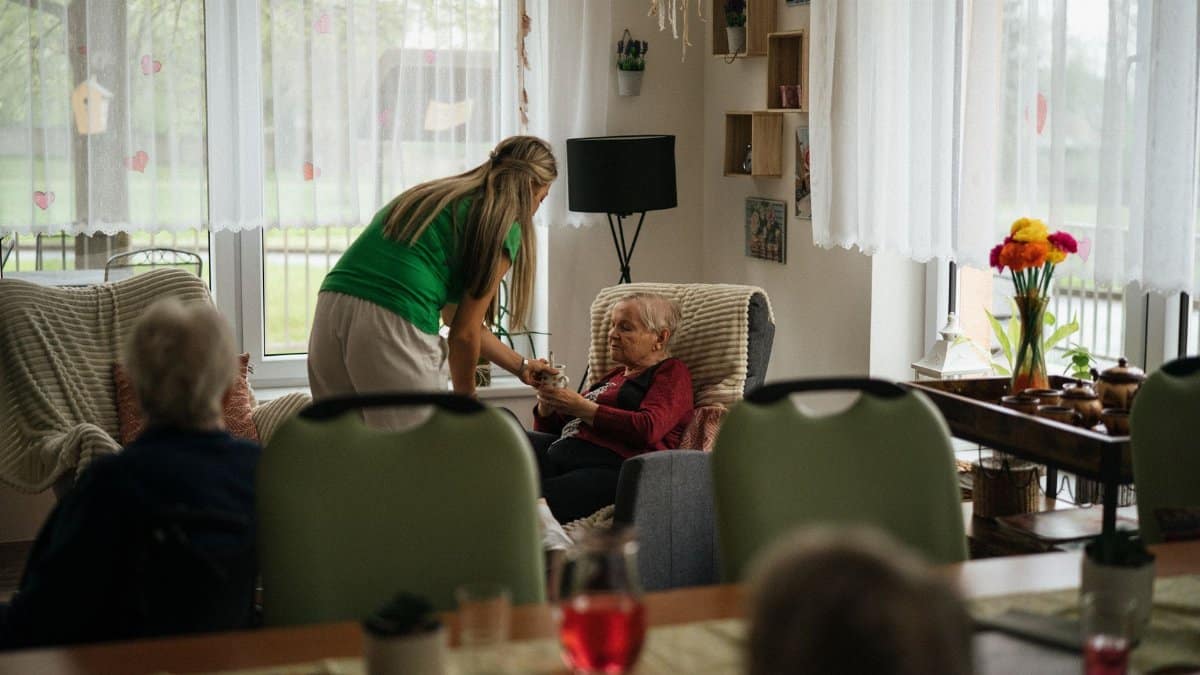
Data collected by health officials indicate higher rates of preventable complications among residents in under resourced homes. Falls, pressure sores and missed doses of critical medication appear more often in facilities already flagged for prior deficiencies. Families describe sudden declines in mobility or cognition that they attribute to lapses in attentive oversight. These outcomes place additional strain on local hospitals when residents require emergency transfers.
Workforce Shortages and Training Gaps
Nursing homes compete with hospitals and home care agencies for qualified personnel. Many aides receive only minimal orientation before assuming full responsibilities. Turnover rates remain elevated, leaving experienced workers to train newcomers while also managing heavy caseloads. Advocates argue that improved wages and career pathways would help stabilize teams and reduce the conditions that lead to Colorado Nursing Homes Violations.
Family Perspectives and Advocacy Efforts

Relatives who visit regularly often become informal monitors, noting small changes in mood or appearance that signal larger problems. Support groups have formed in several Front Range communities to share information and push for greater transparency. Some families have filed formal complaints that later prompted deeper investigations by regulators. Their accounts provide context that official reports alone cannot convey.
State Policy Responses Under Review

Lawmakers have introduced measures aimed at increasing staffing minimums and strengthening enforcement tools. Hearings have featured testimony from operators who cite reimbursement rates as a limiting factor. Proposals also call for public dashboards that would display inspection histories in accessible formats. Whether these steps will measurably lower the frequency of Colorado Nursing Homes Violations remains an open question among analysts.
Financial Pressures on Operators

Medicaid payments constitute the primary revenue source for many homes yet often fall short of actual costs. Facilities respond by trimming nonessential services or deferring maintenance projects. Corporate owners that manage multiple locations sometimes shift resources away from lower performing sites. This environment creates difficult tradeoffs between fiscal survival and consistent quality of care.
Looking Ahead at Systemic Reform

Observers emphasize that isolated fixes will not address the interconnected factors behind rising complaints. Sustained attention to compensation, regulatory capacity and public reporting appears necessary if Colorado hopes to reverse current trends. Residents and their families continue to seek assurance that the places they call home will meet basic standards of safety and dignity.