
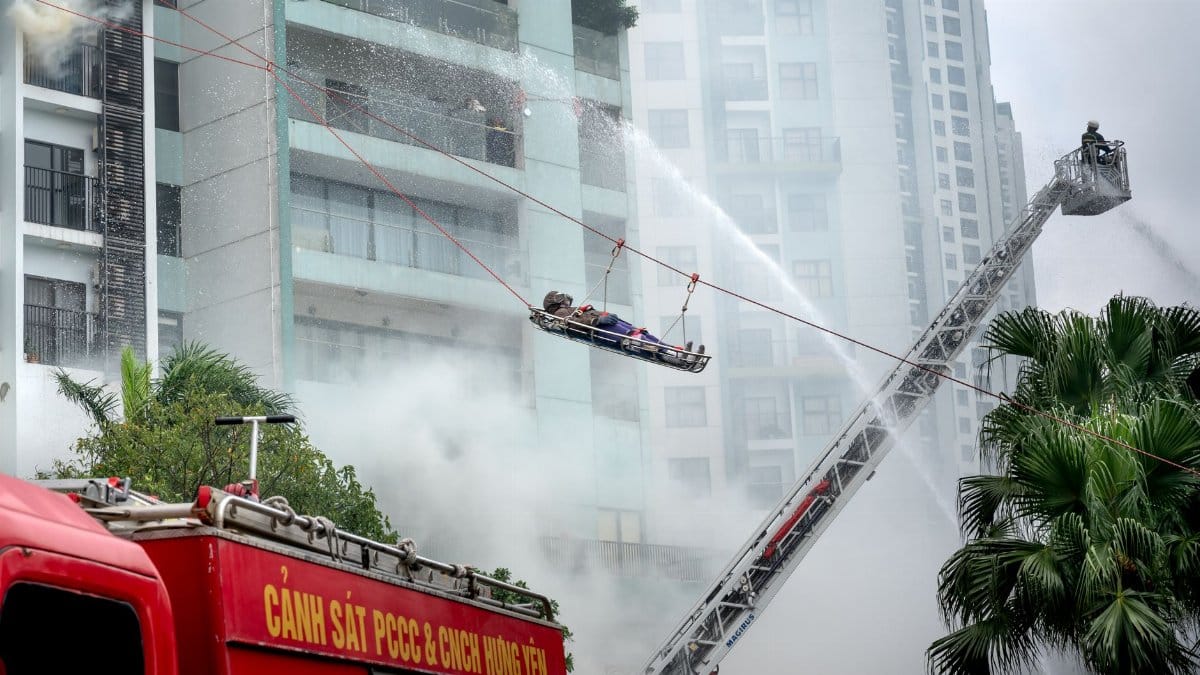
In the aftermath of a powerful earthquake that leveled parts of Venezuela, rescue crews faced immense obstacles pulling survivors from collapsed structures amid aftershocks and limited supplies. One standout effort involved LA Firefighters Venezuela Rescue joining local teams to locate and free a man trapped deep in the debris of a residential building. Their coordinated work underscored how specialized skills from abroad can turn the tide in prolonged search operations when time is short and conditions grow more hazardous by the hour.
Scope of Destruction Across Affected Regions
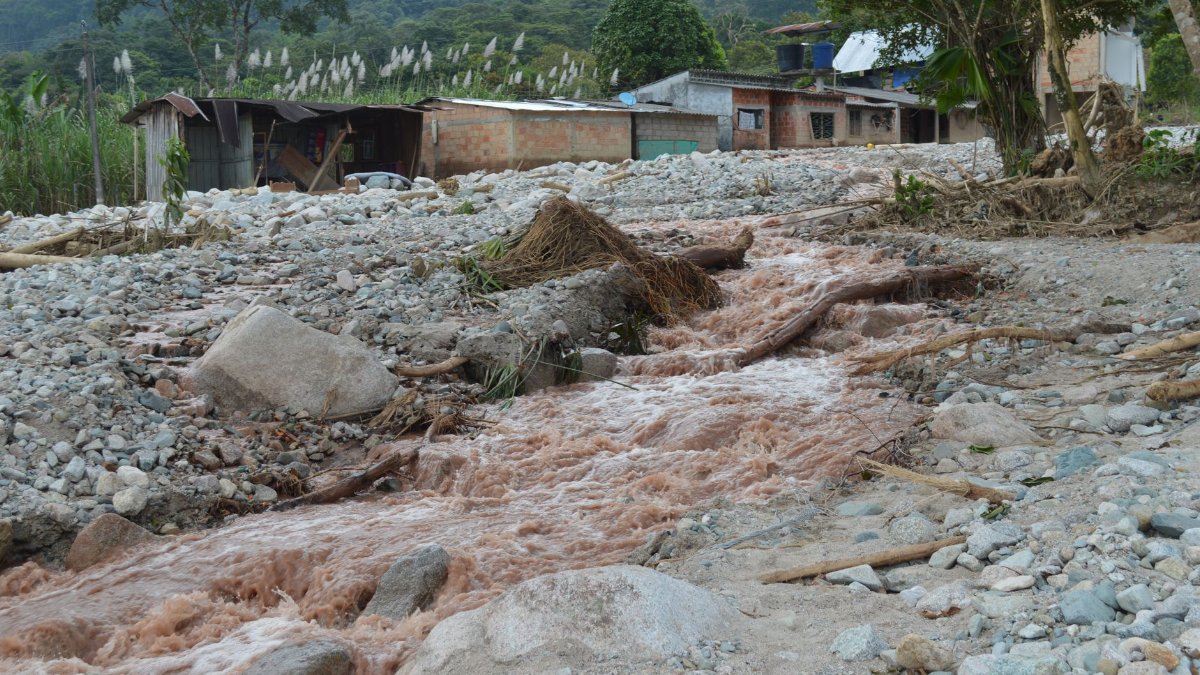
The tremor registered high on the scale and hit densely populated areas hardest, toppling homes, offices and public buildings within seconds. Thousands lost shelter while roads cracked and power grids failed, complicating every step of the relief process. Aid groups quickly set up temporary camps, yet reaching remote spots required creative routing around landslides and weakened bridges. Local officials coordinated with foreign experts to map high priority zones where voices or signals might still emerge from the ruins.
Training That Prepared Crews for Extreme Conditions
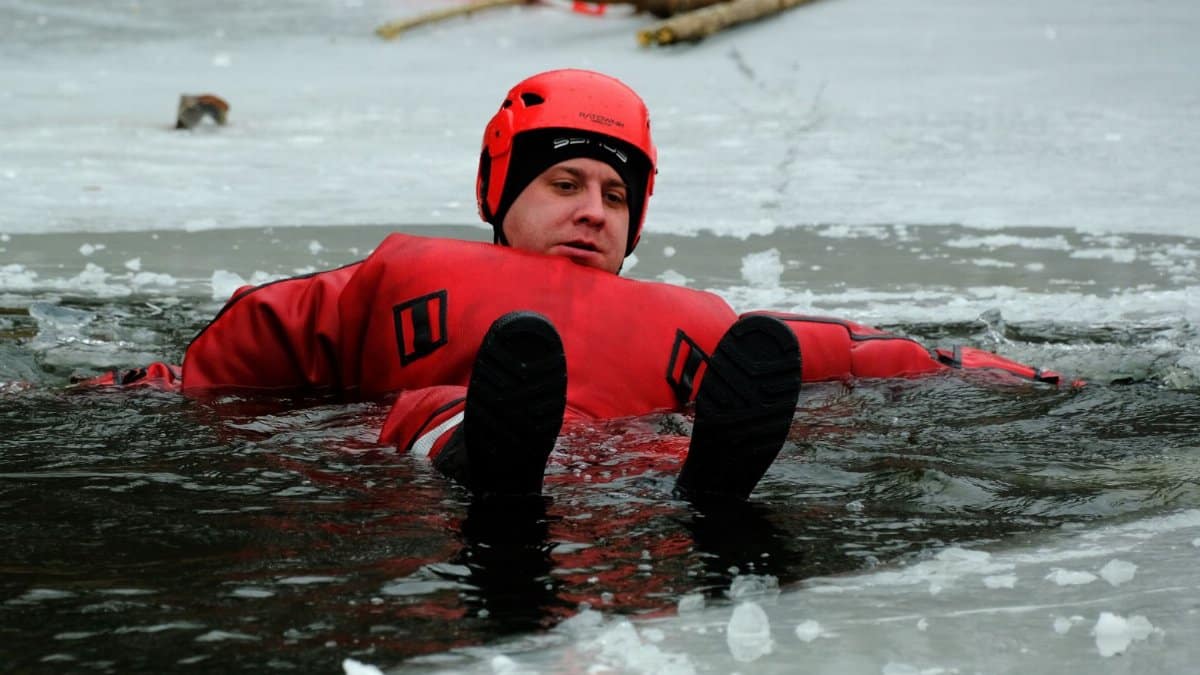
Los Angeles based teams undergo rigorous drills in collapsed structure navigation, confined space medicine and canine assisted detection long before deployment abroad. These sessions replicate the chaos of shifting concrete and limited oxygen, building the calm decision making needed when every minute counts. Participants learn to read subtle signs like faint tapping or air movement that indicate life below the surface, skills that proved vital once on the ground in Venezuela.
Technology Deployed During the Search
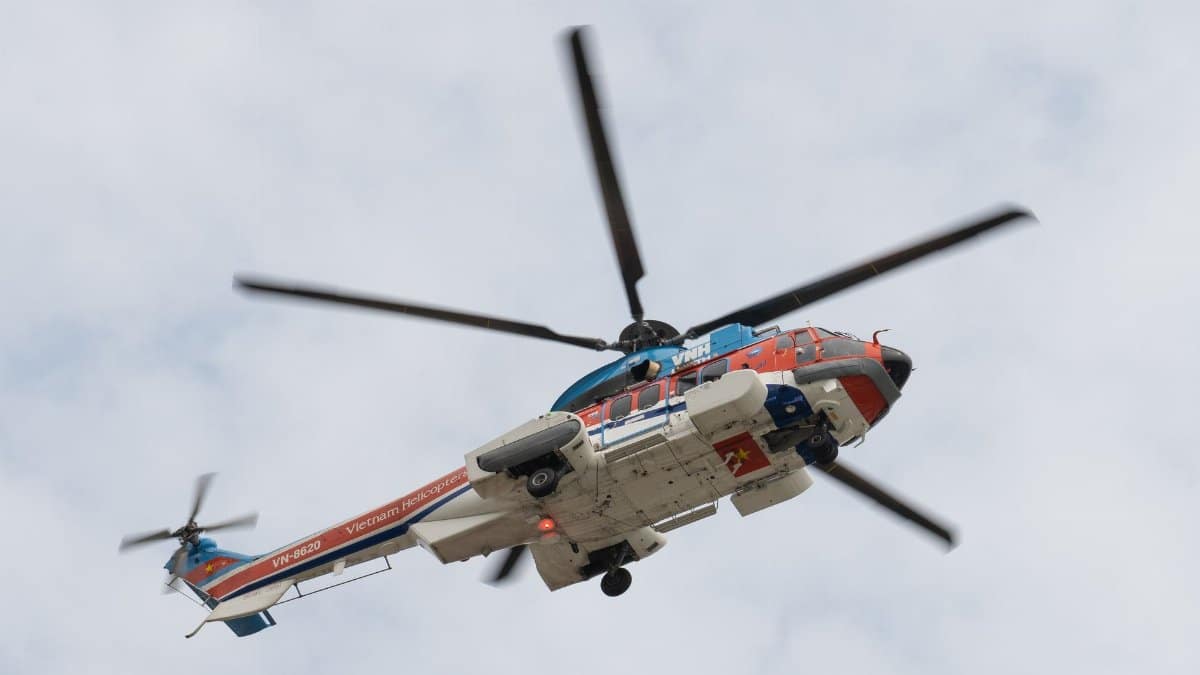
Advanced listening devices and fiber optic cameras allowed crews to scan voids without risking further collapse. Drones provided overhead views of unstable piles while thermal imaging highlighted possible heat signatures from survivors. Communication systems linked field workers to command posts despite language barriers, enabling real time adjustments as new data arrived. Such tools extended the window for successful extractions beyond what manual methods alone could achieve.
Role of International Partnerships in Crisis Response
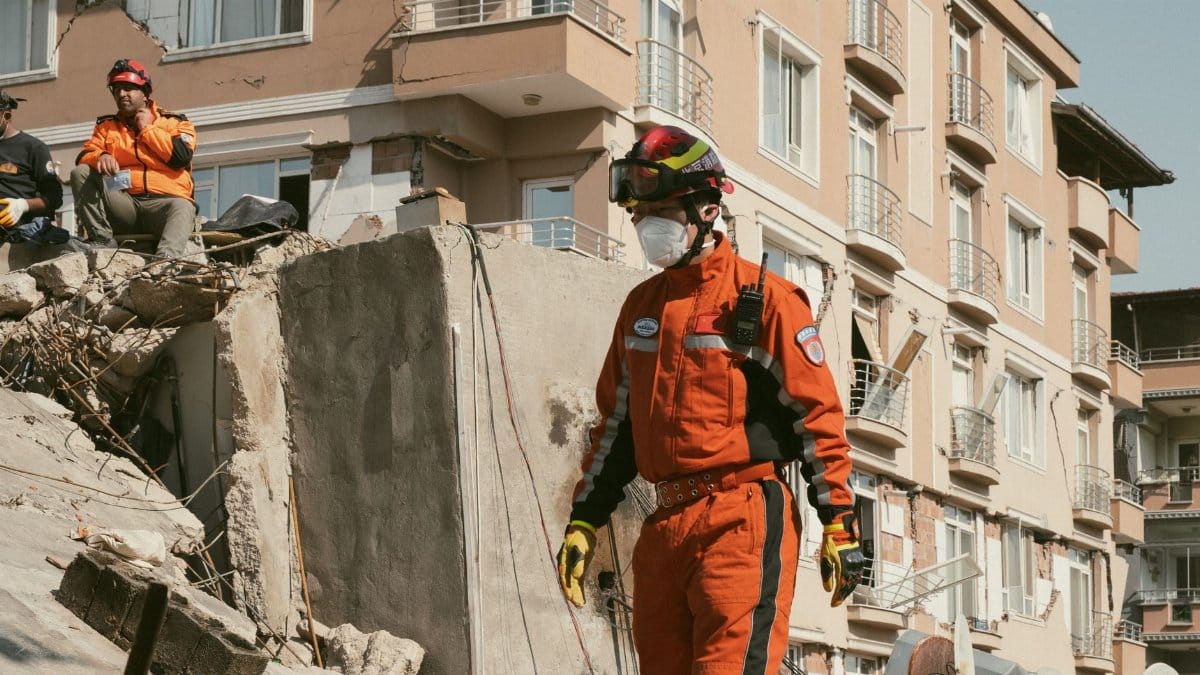
Mutual aid agreements between cities facilitated rapid mobilization when the call went out from Venezuelan authorities. LA Firefighters Venezuela Rescue arrived with equipment and interpreters already briefed on local customs and hazards. Joint briefings each morning aligned priorities and prevented overlap, fostering trust that sped up handoffs of equipment and personnel. These ties often endure beyond single events, creating networks ready for future calamities.
Challenges Posed by Aftershocks and Terrain
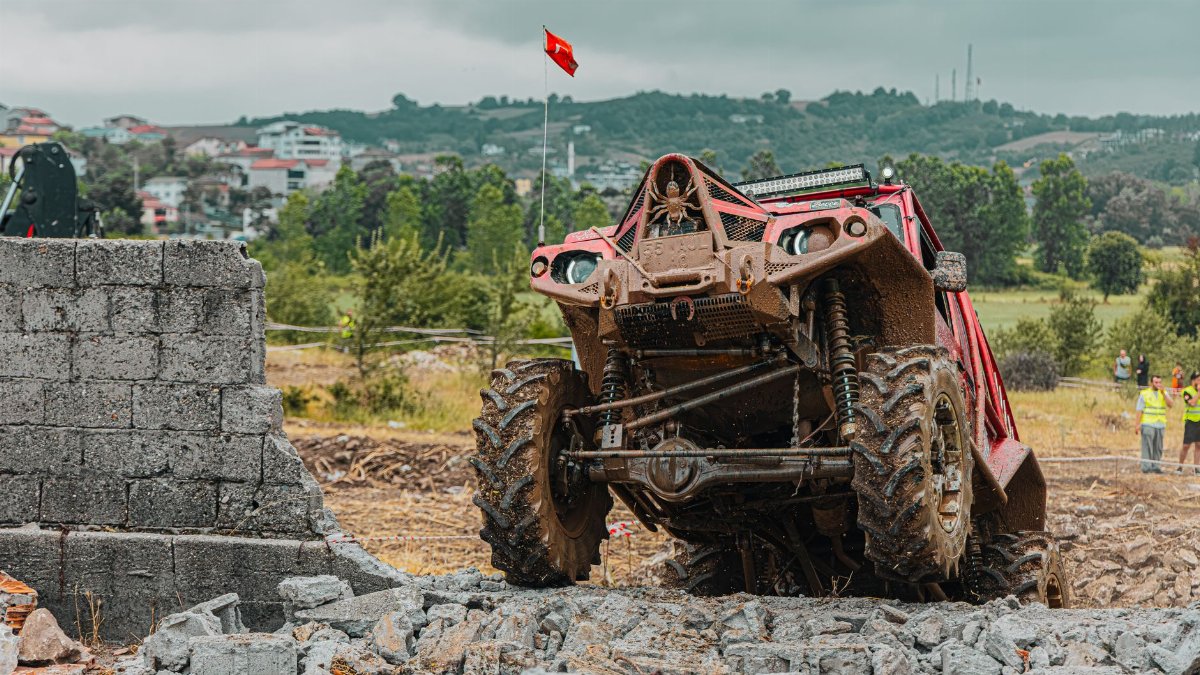
Repeated tremors forced repeated evacuations of work sites, resetting progress and testing patience. Loose soil and leaning walls demanded constant monitoring to avoid secondary slides that could bury rescuers along with those they sought. Heat and dust added physical strain, requiring scheduled rest rotations and hydration stations. Teams adapted by reinforcing temporary supports before each new entry into the rubble field.
Stories From the Front Lines of Recovery
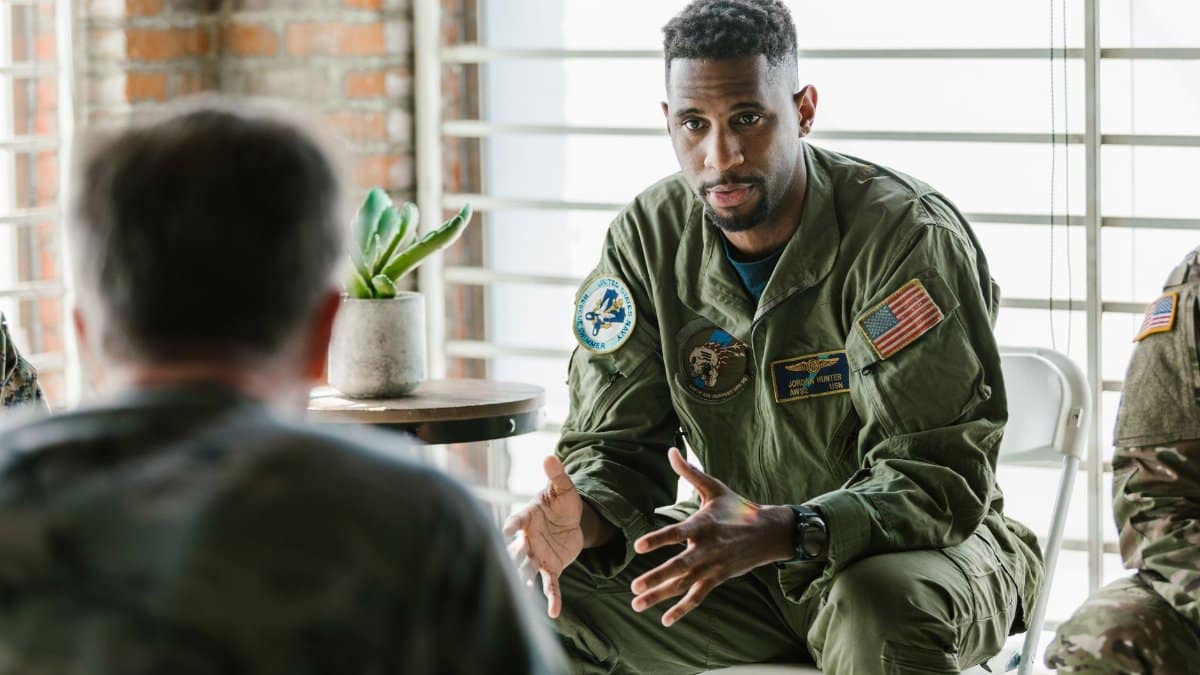
Workers described moments of quiet focus interrupted by sudden cheers when contact was made with the buried man. Family members waited nearby, offering water and encouragement during brief breaks. The eventual extraction brought visible relief to everyone present, a reminder that persistence can overcome even the most daunting odds in urban disasters.
Medical Care Provided to the Freed Survivor
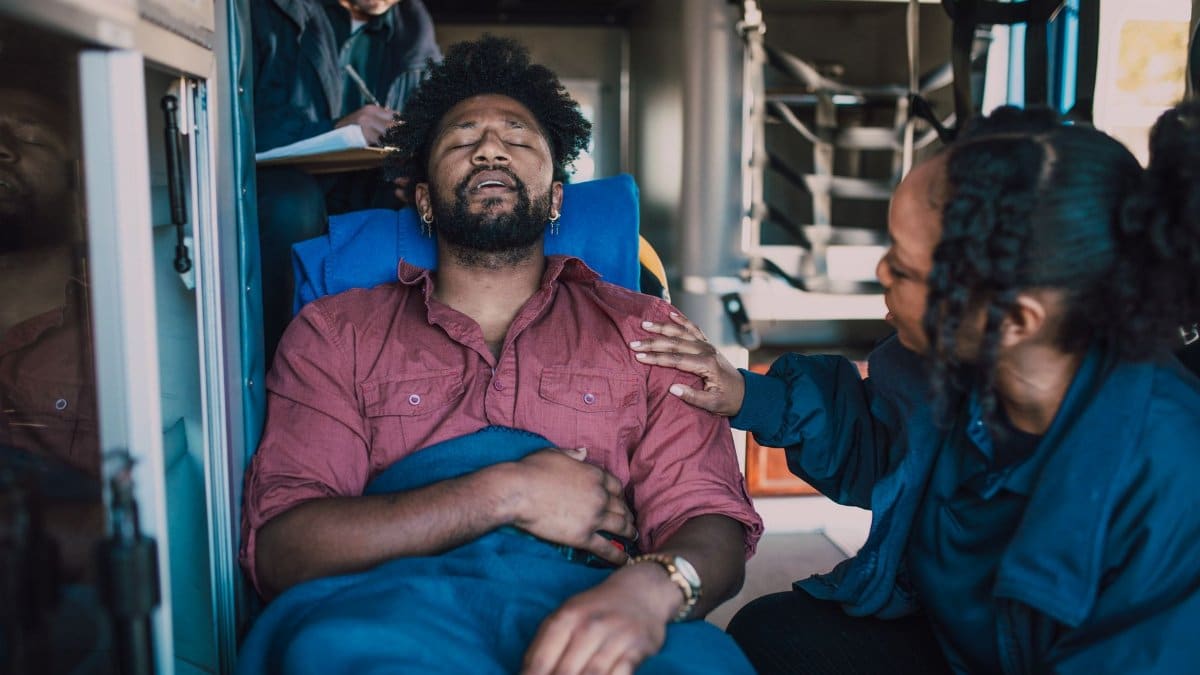
Once above ground the rescued individual received immediate stabilization for dehydration and minor injuries before transport to a field hospital. Physicians monitored vital signs closely during the first hours, noting the remarkable resilience built from limited movement and scarce air over the preceding days. Follow up treatment addressed longer term effects of immobility and stress.
Community Rebuilding Efforts Underway
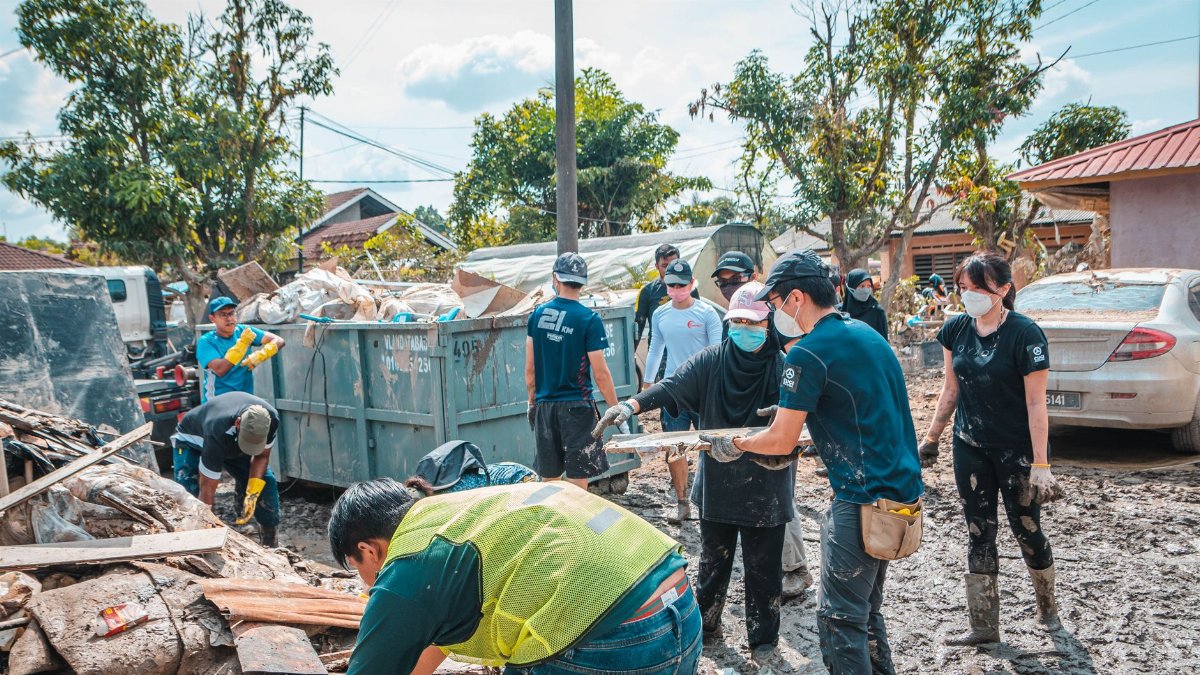
With rescues complete attention turned to clearing debris and restoring basic services. Volunteers organized supply distribution while engineers assessed which buildings could be salvaged. LA Firefighters Venezuela Rescue contributed knowledge on safe demolition practices before heading home, leaving behind strengthened local capacity for similar events.
Lessons for Future Global Disaster Aid
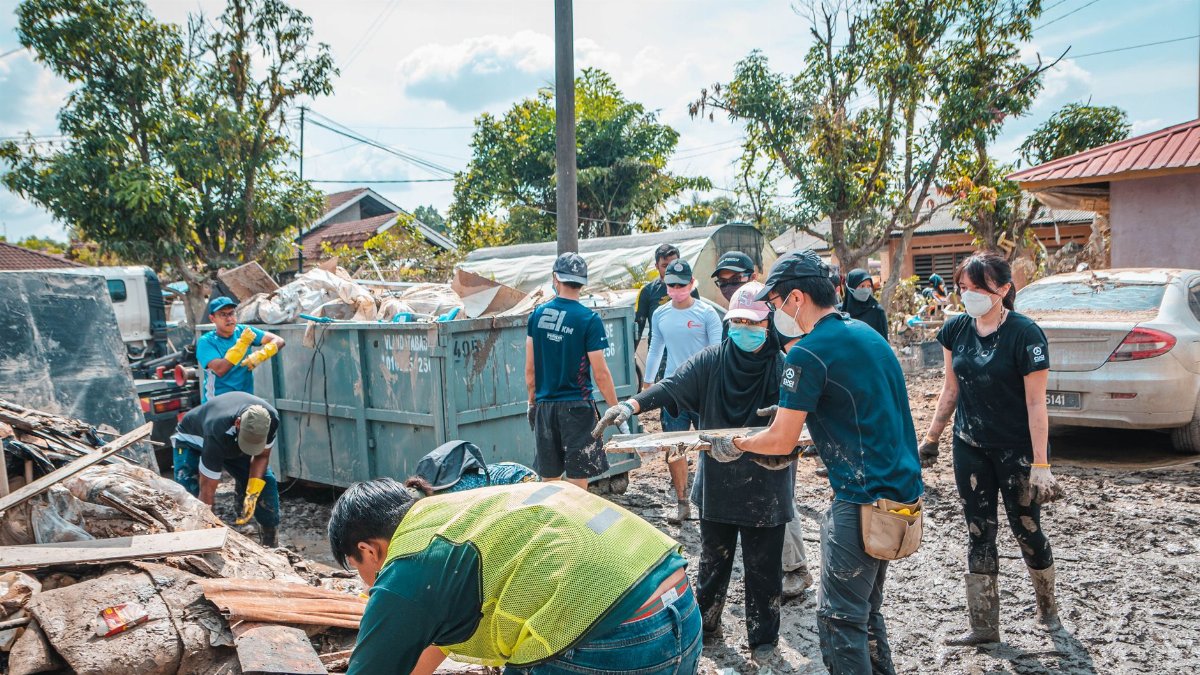
Reviews of the operation emphasized the value of pre positioned gear and shared training standards across borders. Analysts noted that early arrival of specialized units shortened overall response times and improved survival rates in comparable quakes. Continued investment in these areas promises better outcomes wherever seismic risks exist.