
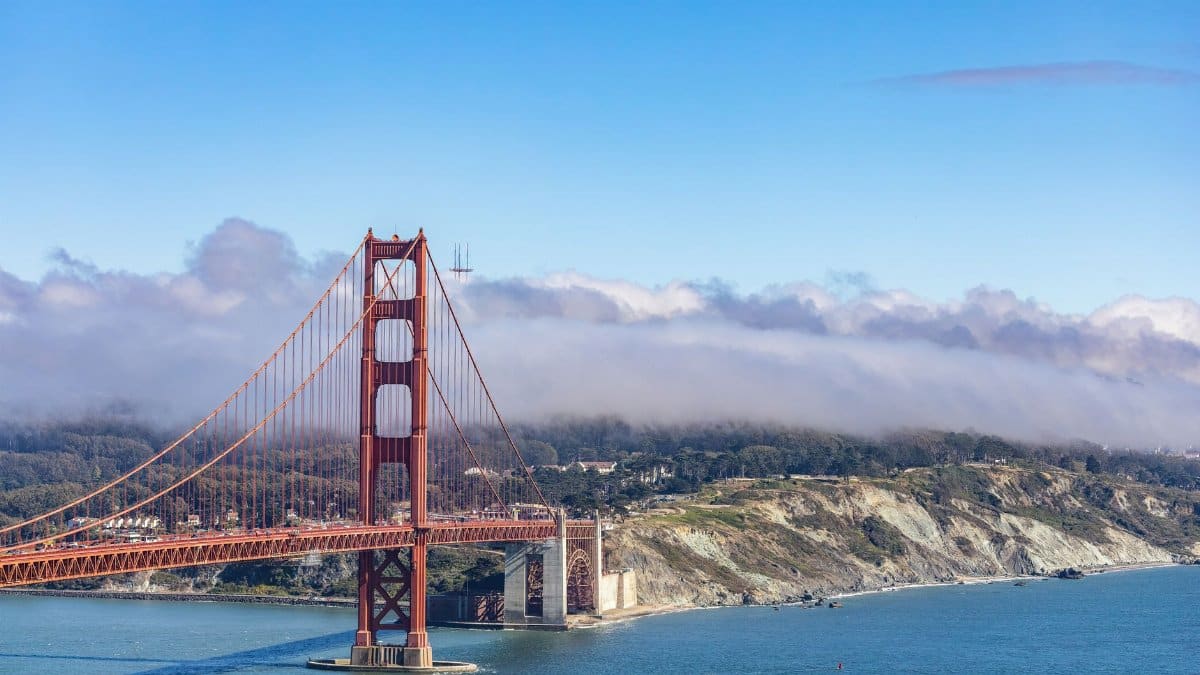
In a San Francisco courtroom filled with tension and quiet anticipation seven activists faced judgment after their bold action brought one of Americas most recognized landmarks to a standstill. The demonstration against overseas conflicts drew widespread attention and legal scrutiny alike. Golden Gate Bridge Protest Verdict emerged as a focal point in discussions about civil disobedience and its boundaries in public spaces.
Origins of the Roadway Demonstration
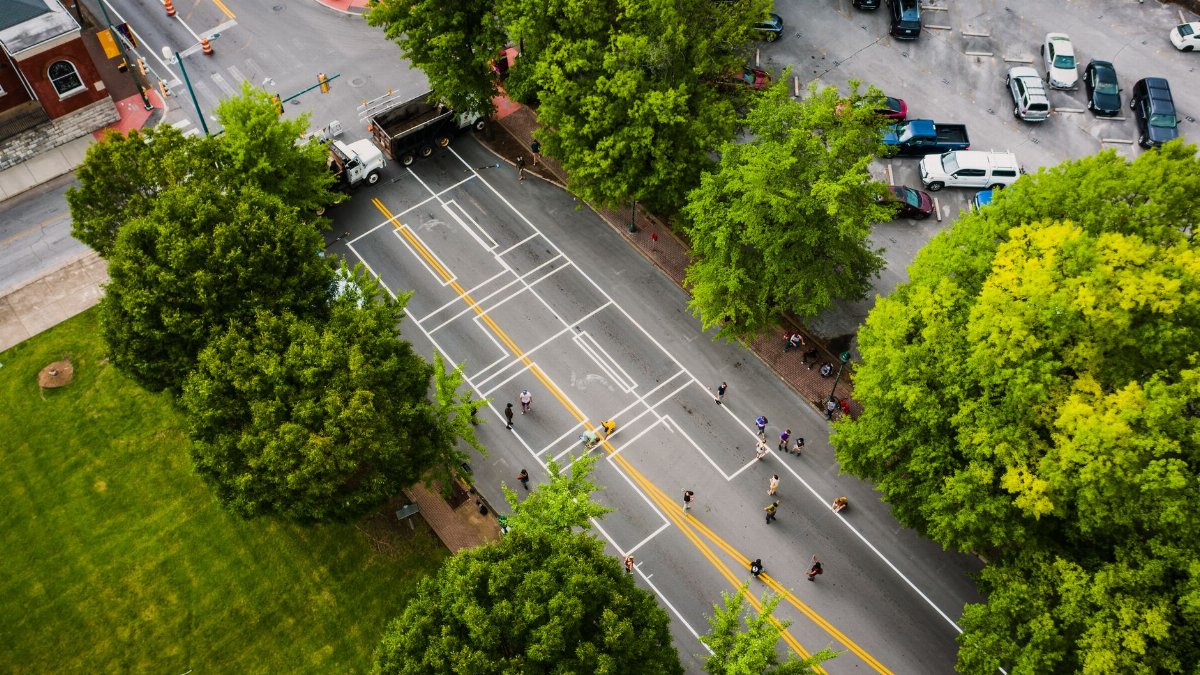
The protest unfolded on a clear morning when participants positioned themselves strategically across multiple lanes. Their goal centered on drawing notice to humanitarian concerns in distant regions. Traffic halted for hours creating widespread delays for commuters and travelers alike. Organizers described the effort as a necessary stand against policies they viewed as unjust. Local authorities responded with measured force aiming to restore order without escalation.
Legal Proceedings Unfold in Court

Prosecutors argued that the shutdown endangered public safety and disrupted essential services. Defense teams countered that the action represented protected expression under longstanding traditions of activism. Witnesses included bridge officials and affected drivers who shared accounts of the disruption. The trial highlighted tensions between individual rights and collective responsibilities in shared infrastructure.
Role of Jury Deliberations
Jurors weighed evidence over several days examining video footage and participant statements. Their final decisions reflected careful consideration of intent versus outcome. Misdemeanor findings suggested recognition of symbolic motives while rejecting claims of reckless endangerment.
Reactions from Community Leaders

City officials expressed relief that felony charges did not stick yet voiced concerns over future similar actions. Advocacy groups praised the outcome as validation for peaceful assembly rights. Families of the convicted described mixed emotions noting the personal costs of public stands. Broader public sentiment appeared divided along familiar lines of support and criticism.
Impact on Future Gatherings

The case sets precedents for how authorities might handle large scale interruptions in vital transit areas. Activists now weigh risks more carefully when planning events that target high profile locations. Discussions in legal circles focus on balancing free speech with operational needs of critical routes. Similar protests elsewhere may adjust tactics in light of this resolution.
Broader Context of Activism Trends
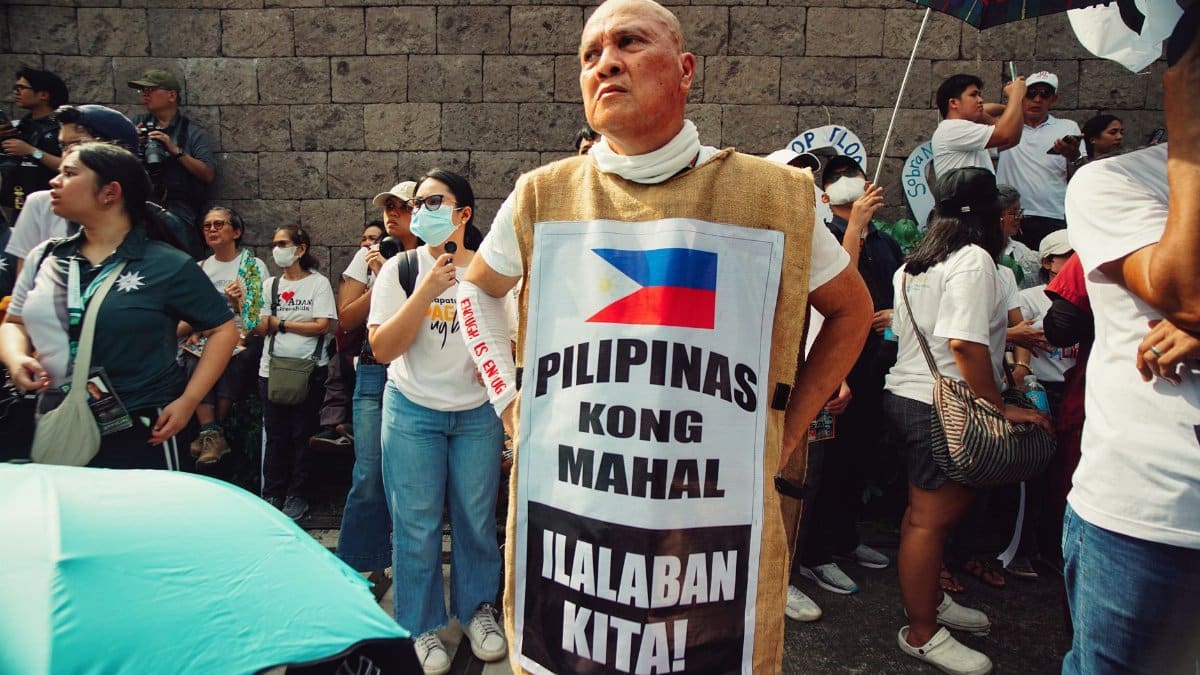
Recent years have seen increased use of infrastructure as protest sites across various causes. This approach amplifies visibility but invites stronger legal responses from officials. Historical parallels include past highway blockades tied to environmental or social issues. Analysts note that outcomes often depend on perceived disruption levels and media coverage intensity.
Personal Stories Behind the Verdict
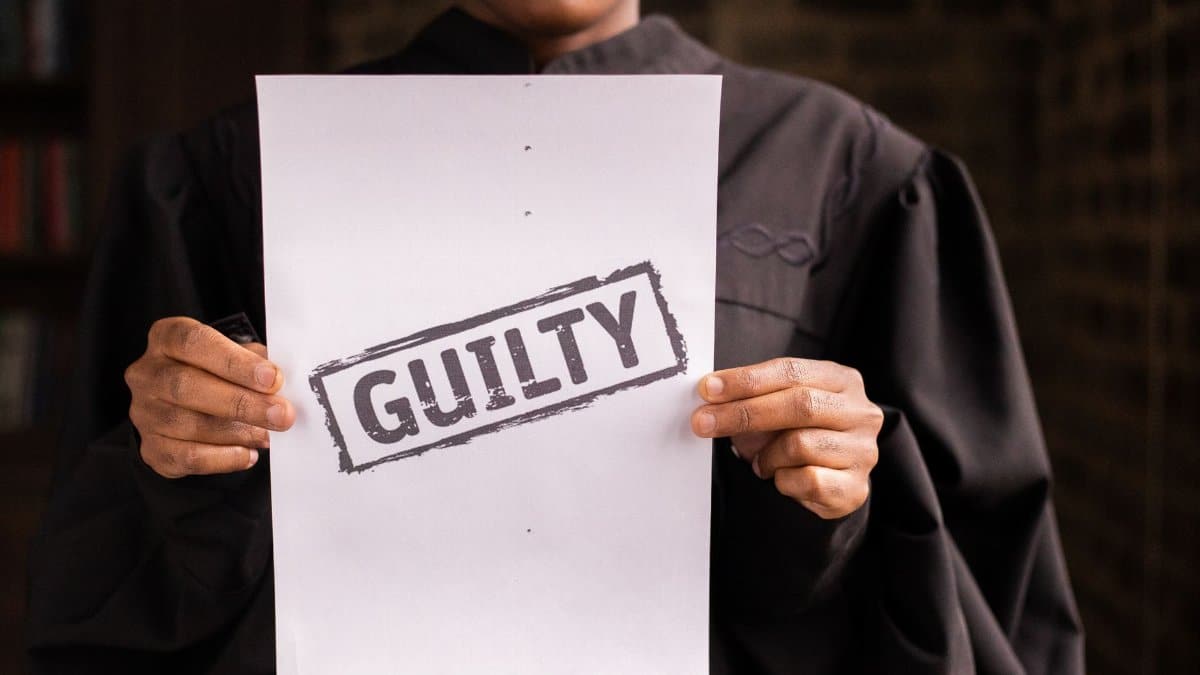
Each participant brought unique backgrounds to the event ranging from longtime organizers to first time demonstrators. Their motivations stemmed from personal connections to affected communities overseas. Post trial interviews revealed reflections on sacrifice and resolve. These narratives add human depth to what might otherwise seem like abstract legal matters.
Looking Ahead for Public Discourse

Golden Gate Bridge Protest Verdict will likely influence conversations about protest limits for months to come. Policymakers may revisit guidelines for managing demonstrations near key landmarks. The episode underscores ongoing debates over effective ways to voice dissent in modern society. Observers expect continued scrutiny of both the activists choices and institutional reactions.