
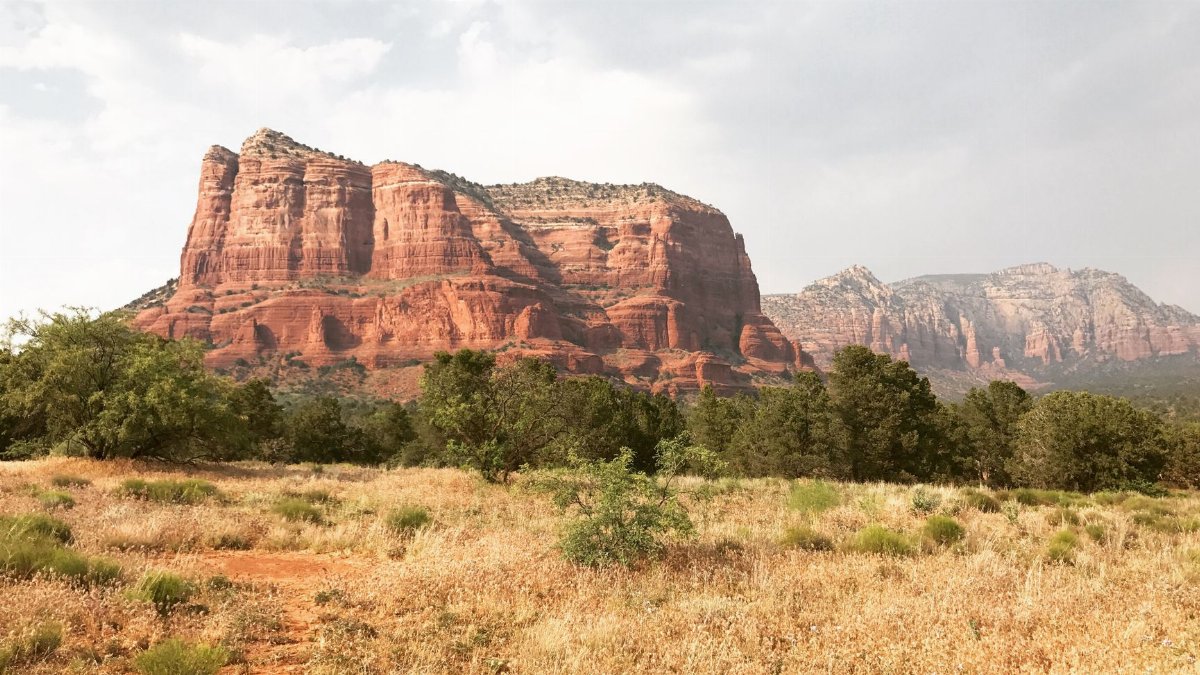
In the red rock canyons near Sedona a lightning strike has turned into a persistent challenge for land managers and residents alike. The Arizona Pocket Fire Update offers a clear look at how crews are working to limit further spread across thousands of acres of forest and open space while protecting nearby homes and trails.
Current Scale of the Blaze
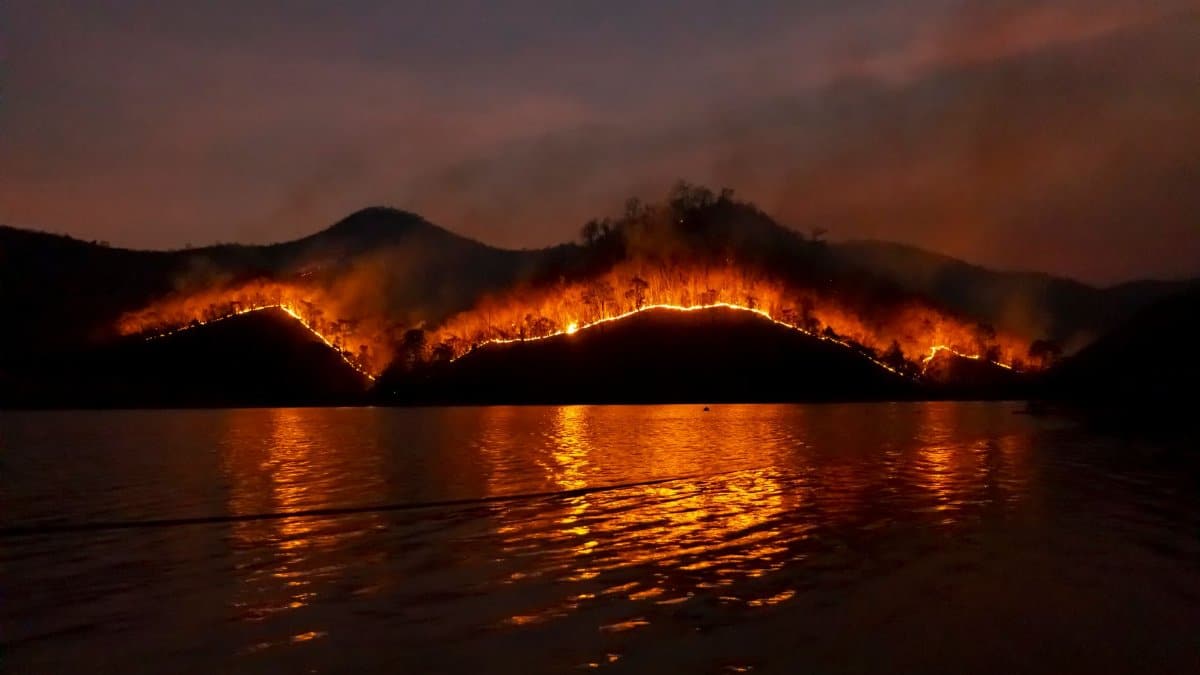
The fire covers more than twenty one thousand acres as of early July. Containment stands at roughly forty percent thanks to a combination of direct attack lines and natural barriers such as rock outcrops. Officials note that winds have remained moderate which has helped crews make steady progress without sudden flare ups.
Origin and Early Response

Lightning started the fire on remote federal land northwest of Sedona. Initial attack began within hours yet steep slopes and limited road access slowed ground crews. Helicopters and air tankers provided critical support in the first days dropping water and retardant to keep the perimeter from expanding toward populated areas.
Evacuation Measures and Public Safety

Authorities issued preemptive notices for several neighborhoods and campgrounds. No mandatory orders were needed once the fire slowed its advance. Residents received regular briefings through local emergency apps and radio updates so families could prepare go bags and arrange alternate lodging if conditions changed.
Effects on Tourism and Local Economy

Sedona draws visitors year round for its scenery and outdoor activities. Several trailheads and scenic drives closed during peak smoke periods. Business owners reported softer foot traffic at restaurants and galleries though many adapted by promoting indoor art tours and virtual hiking suggestions until restrictions lifted.
Environmental Consequences for the Landscape
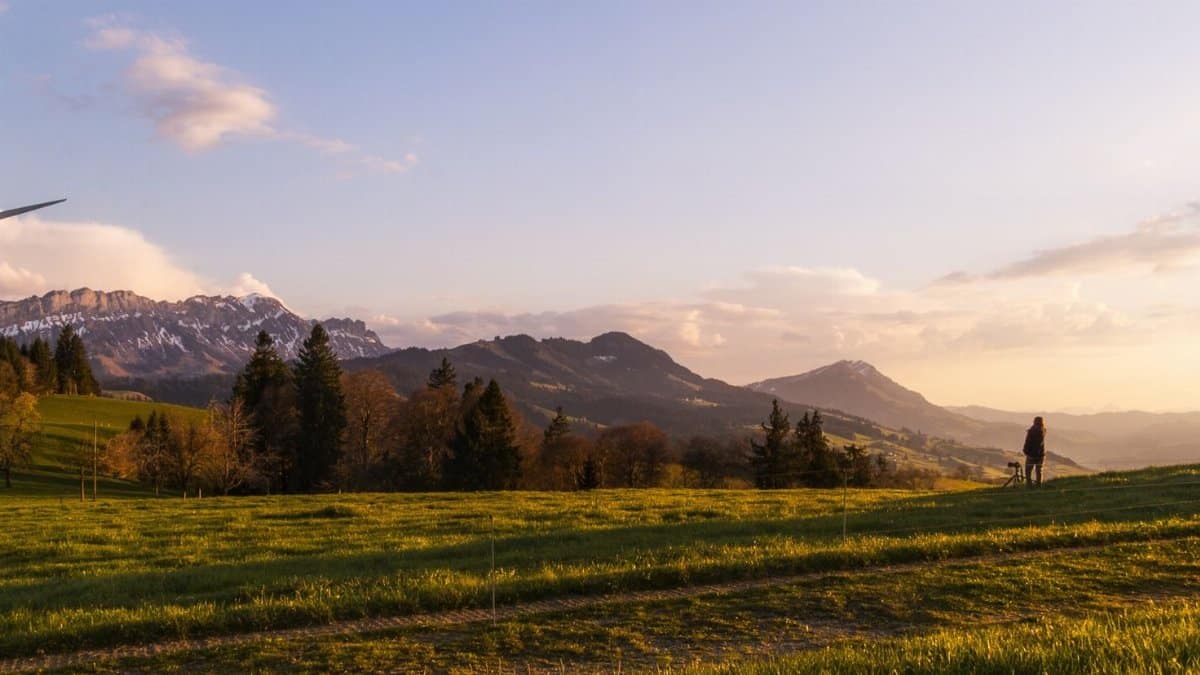
The burn area includes stands of ponderosa pine and manzanita that support diverse wildlife. Post fire assessments will examine soil stability and the risk of erosion during monsoon rains. Biologists expect some native plants to rebound quickly while invasive grasses may require active removal to prevent long term shifts in the plant community.
Role of Weather Patterns

Forecasters track afternoon thunderstorms that could bring both rain and new lightning. Higher humidity in recent days has reduced fire intensity. Crews remain alert for wind shifts that historically have pushed flames toward lower elevations where homes sit closer to the forest edge.
Coordination Among Agencies

The incident command team includes representatives from the Forest Service state forestry division and local fire districts. Daily planning meetings set priorities for line construction and structure protection. Mutual aid agreements have brought engines and personnel from neighboring counties to maintain twenty four hour operations.
Outlook for Full Containment

Managers expect full containment by late summer if current weather trends hold. Mop up work will continue for weeks afterward to extinguish hot spots deep in the duff. Residents and visitors are urged to follow posted closures and to report any smoke or embers promptly to local dispatch.
Community Support and Volunteer Efforts

Local nonprofits organized donation drives for bottled water and snacks that reached fire camps each morning. Some residents opened driveways as temporary landing zones for supply helicopters. These small acts of assistance have helped sustain morale among firefighters working long shifts away from home.
Lessons for Future Fire Seasons
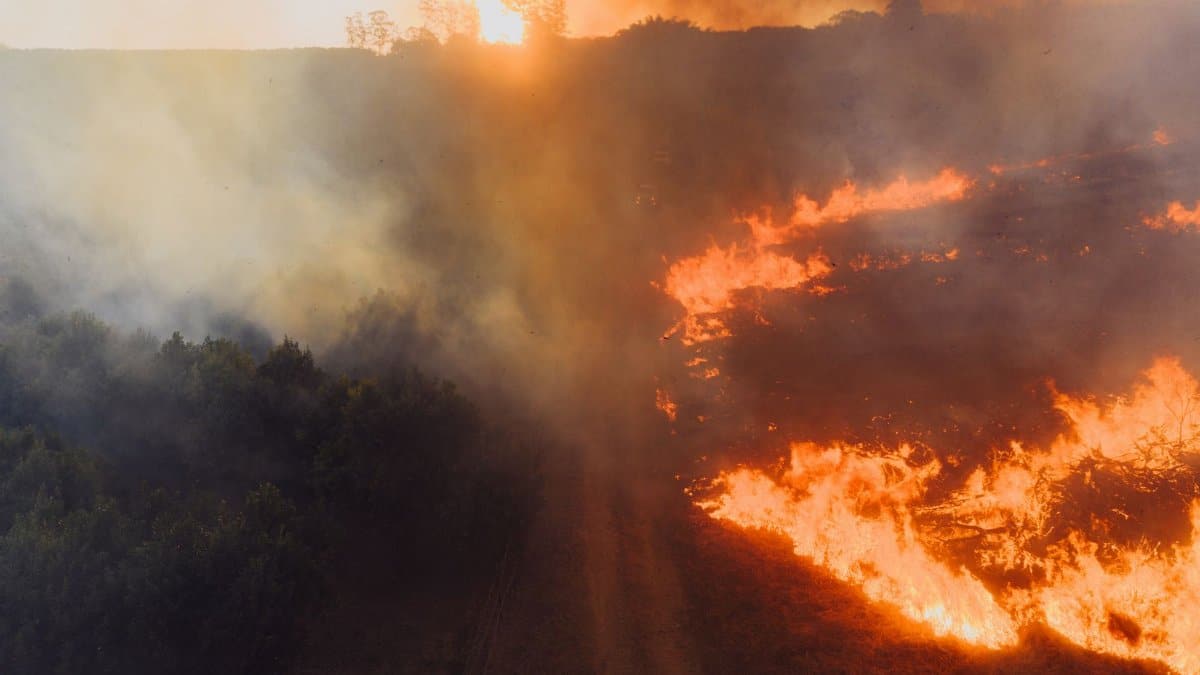
The Pocket Fire has prompted renewed discussion about fuel reduction projects near the wildland urban interface. Thinning overgrown areas and conducting prescribed burns could lower the intensity of future fires. Community workshops on defensible space are already scheduled for the coming months.