

In recent years international soccer has faced growing scrutiny over who qualifies to represent nations on the global stage. A fresh flashpoint emerged when FIFA approved a United States forward for the World Cup roster despite objections from European officials. UEFA described the move as incomprehensible and warned it could erode trust in the sport core principles. The FIFA UEFA US Forward World Cup Controversy now stands as a test case for how eligibility rules are interpreted and enforced across continents.
Origins of the Eligibility Debate

Rules governing player nationality have evolved over decades yet remain open to interpretation. National associations submit documentation and FIFA reviews each case on its merits. In this instance the United States federation presented evidence that satisfied the governing body criteria while UEFA maintained stricter standards should apply.
UEFA Position and Its Rationale
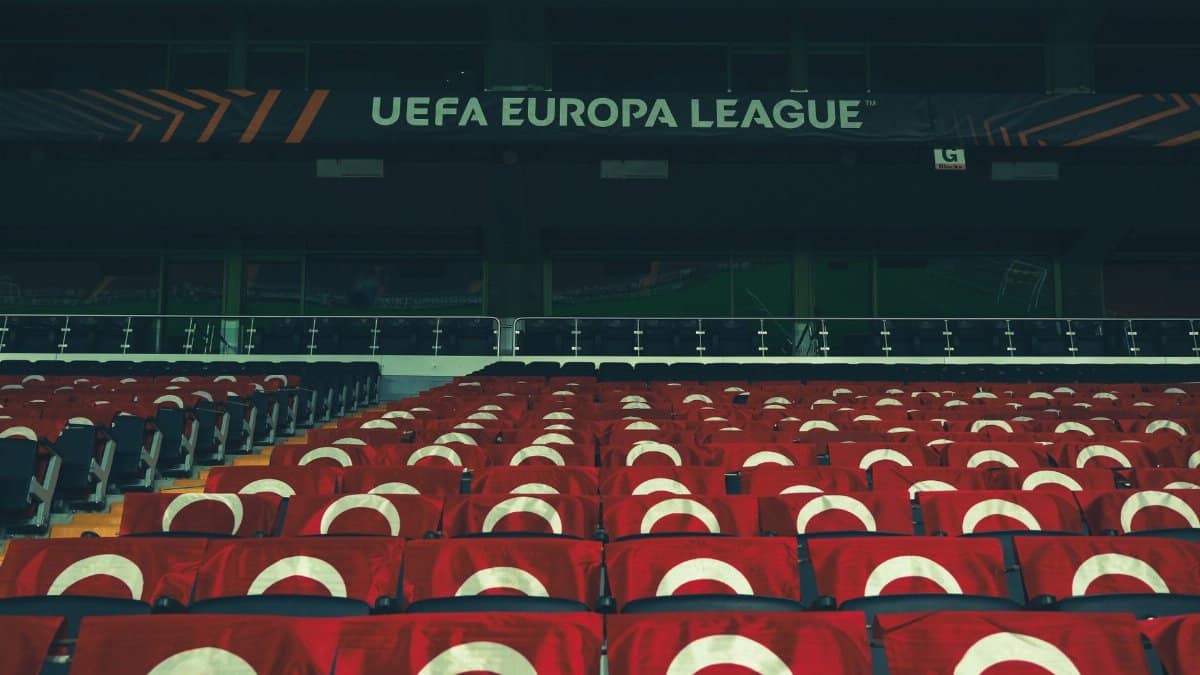
European soccer leaders argue that consistent application of residency and heritage requirements protects competitive balance. They point to past cases where similar requests were denied. Their public statement emphasized the need for transparency to avoid perceptions of favoritism.
FIFA Review Process Explained

The world body conducts an internal assessment that includes passport verification and family lineage checks. Once cleared a player gains full eligibility. Critics note that the process occurs largely behind closed doors leaving little room for outside input.
Impact on Team Dynamics

Coaches must adjust strategies when new players enter the fold at the last moment. Teammates adapt training routines and chemistry develops under pressure. For the United States squad this addition shifts tactical options in attack.
Reactions from Players and Fans

Supporters in North America welcomed the news as validation of broader talent pools. In Europe some voiced concerns that standards are slipping. Social media platforms reflected divided opinions with hashtags trending across multiple languages.
Historical Precedents in World Cup History

Several tournaments have featured eligibility disputes that reached public attention. Previous rulings set boundaries that later federations tested. Each episode prompted calls for clearer written guidelines.
Broader Questions of Fairness

At stake is the perception that every nation competes under identical constraints. When one association receives an exception others wonder whether similar flexibility will be granted in future cycles. Such doubts can diminish the event prestige.
Role of National Federations

Domestic bodies serve as gatekeepers by compiling player dossiers and submitting them for approval. Their advocacy shapes outcomes yet they operate within limits set by larger organizations. Coordination between these levels remains essential.
Potential Revisions to Current Rules

Proposals include extended review periods and independent oversight panels. Stakeholders suggest publishing anonymized case summaries to build confidence. Discussions are expected at upcoming committee meetings.
Global Soccer Governance Challenges

Balancing commercial interests with sporting integrity grows more complex each cycle. Regional confederations hold distinct priorities that sometimes clash. Finding common ground requires sustained dialogue.
Looking Ahead to Future Tournaments

Eligibility decisions made now will influence squad selections for years. Federations are already studying the current episode to prepare stronger submissions. Observers will watch whether the same standards prevail in upcoming qualifiers.