
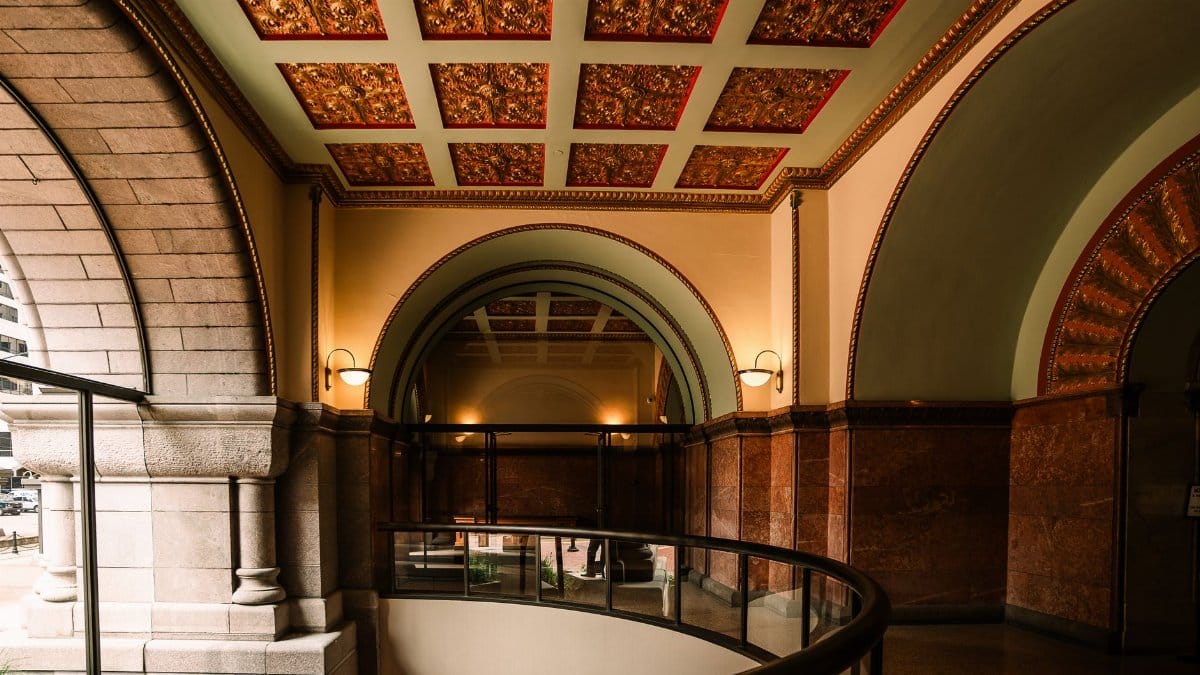
In the heart of a once vibrant neighborhood, families navigate crumbling apartments where leaks stain ceilings and rodents scurry through walls at night. These scenes unfold daily in structures that were meant to offer stability after decades of urban change. The North Minneapolis Housing Crisis has left many residents in former public housing developments struggling with neglect that dates back years. Reports from local advocates highlight how maintenance promises from past decades have faded into disrepair, affecting hundreds of households seeking safe places to raise children and build futures.
Legacy of Public Developments
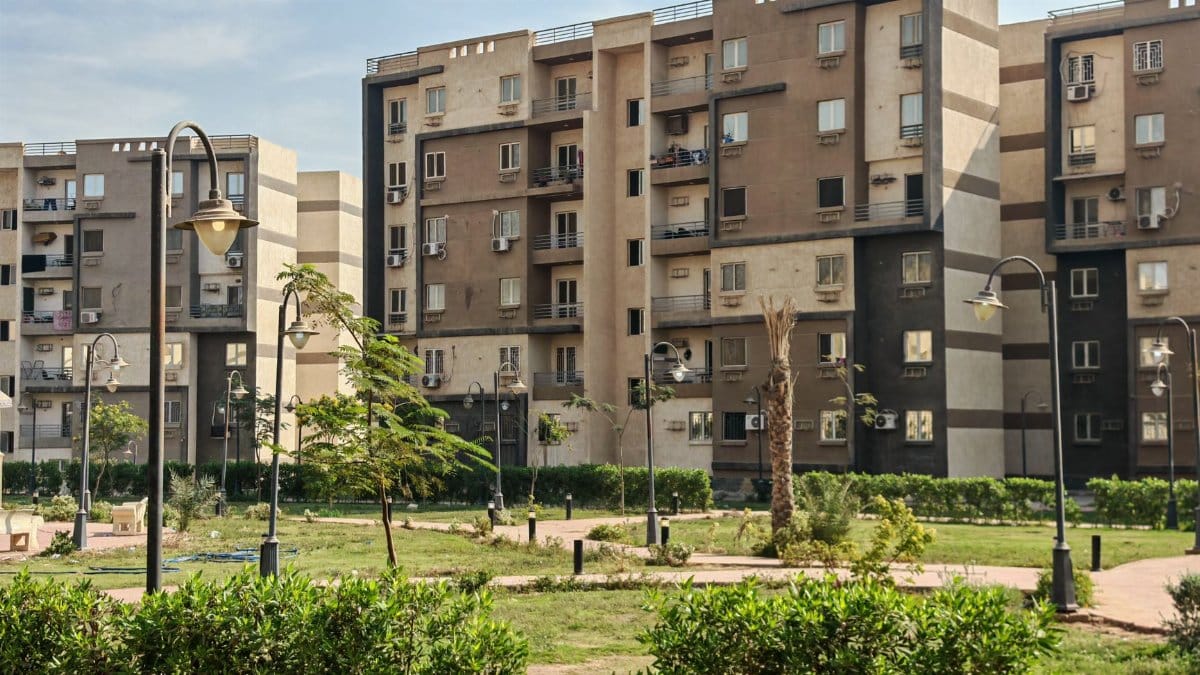
Early public housing projects in the region aimed to provide affordable options during periods of rapid growth and migration. Over time, shifts in federal funding reduced support for upkeep and renovations. Buildings constructed in the mid twentieth century now show signs of age through peeling paint and faulty wiring. Community members recall initial hopes for these sites as anchors for opportunity, yet economic pressures gradually eroded those foundations. Local records indicate multiple ownership transfers that complicated accountability for repairs.
Daily Realities for Families

Residents describe inconsistent heating during harsh winters and water issues that persist despite repeated complaints. Children in these units often deal with respiratory concerns tied to mold growth in damp corners. Parents balance work schedules with efforts to document problems for property managers who respond slowly or not at all. Such conditions strain household budgets as families purchase supplemental heaters or cleaning supplies to manage ongoing problems.
Role of Ownership Changes
Transfers of these properties from public to private hands introduced new layers of management that sometimes prioritized costs over quality. Contracts outlined expectations for maintenance, yet enforcement proved inconsistent across different operators. Some owners invested in cosmetic updates while core systems like plumbing remained vulnerable. This pattern contributed to a cycle where visible improvements masked deeper structural concerns affecting livability.
Community Advocacy Efforts
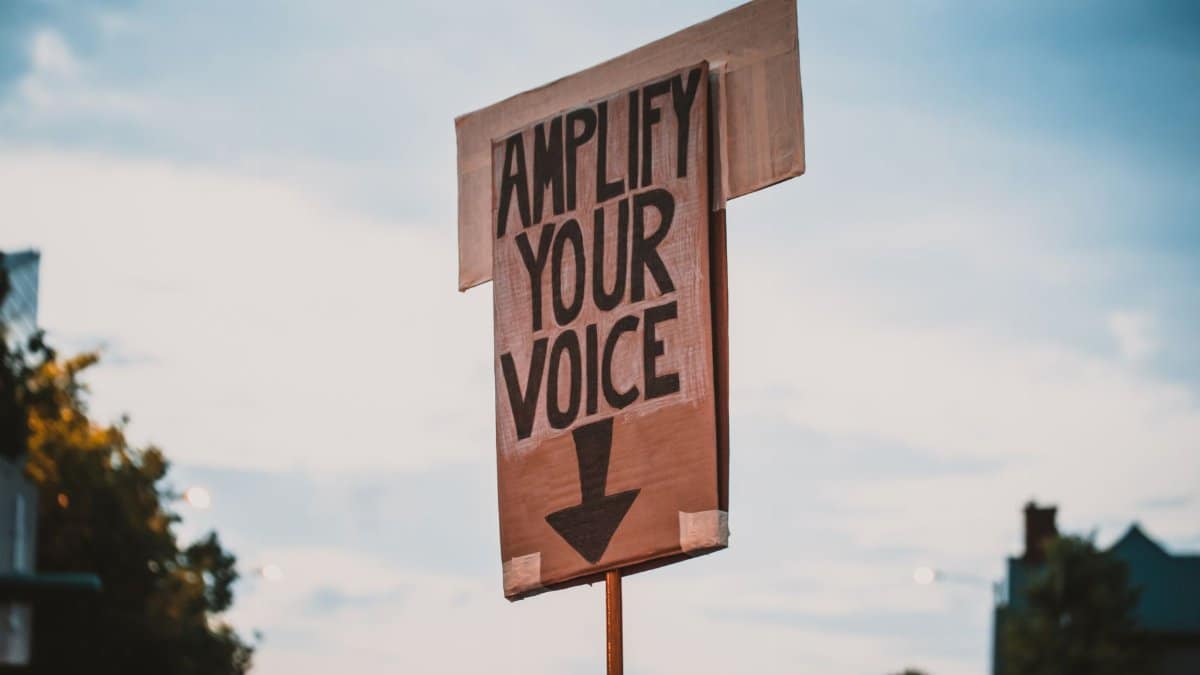
Local groups have organized meetings to gather resident testimonies and push for inspections by city officials. Petitions circulate calling for increased oversight and dedicated funds to address widespread deficiencies. Volunteers assist with navigating complaint processes that can stretch for months without resolution. These initiatives draw attention to how concentrated issues in one area reflect broader challenges in urban housing access.
Health Impacts on Residents
Medical professionals in the area note elevated visits for conditions linked to poor indoor environments, including allergies and infections. Data from clinics shows patterns among those living in aging units compared to other neighborhoods. Families report stress from uncertainty about when problems might worsen, influencing daily routines and sleep quality. Experts emphasize connections between stable housing and overall well being in community health assessments.
Policy Responses and Shortfalls

City initiatives have introduced some programs for rental inspections and tenant protections in recent years. Funding allocations target specific repairs, though distribution often favors areas with stronger advocacy networks. State level discussions explore incentives for responsible ownership, yet implementation varies. Gaps remain in ensuring all former public sites receive equitable attention amid competing municipal priorities.
Economic Pressures at Play

Rising material costs and labor shortages affect the pace of improvements even when intent exists. Property values in surrounding blocks influence investment decisions, sometimes leaving isolated developments behind. Rent levels stay relatively accessible compared to newer builds, drawing residents with limited options elsewhere in the metro. This dynamic sustains demand while highlighting needs for sustained resources beyond initial construction eras.
Paths Toward Improvement
Collaborations between nonprofits, government agencies, and residents point to models that combine targeted funding with regular monitoring. Successful examples from comparable cities suggest benefits from long term commitments to preservation alongside new construction. Voices from North Minneapolis stress the value of listening to those directly affected when shaping future strategies. Progress depends on coordinated actions that address both immediate fixes and systemic factors driving the ongoing housing challenges.