

The skies above Texas correctional institutions have become a new frontier for smuggling operations. Small flying devices are dropping packages containing drugs cell phones and other forbidden items directly into prison yards. This development poses serious challenges to maintaining order and safety within the facilities. Officials are struggling to keep up with the evolving tactics used by those seeking to exploit weaknesses in the perimeter defenses. The problem of Texas Prisons Contraband Drones Security requires immediate attention from policymakers and prison administrators alike to prevent further erosion of control.
Understanding the Drone Threat
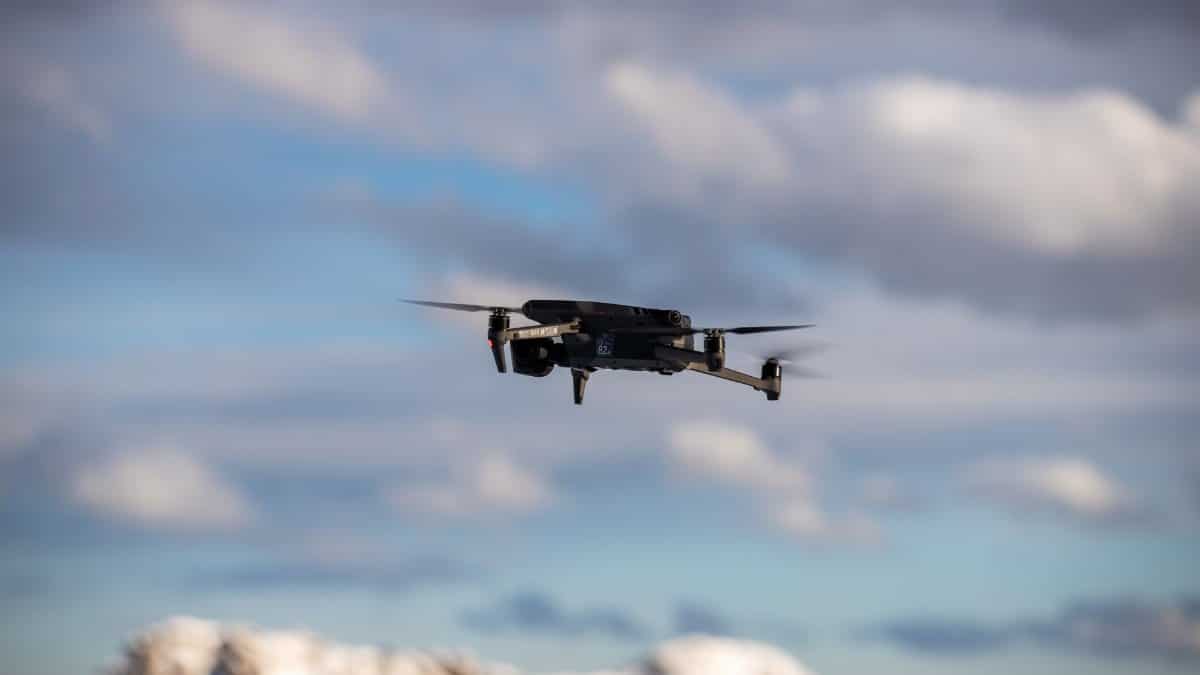
Drones allow outsiders to deliver contraband without setting foot near the facility grounds. These devices operate quietly at night and carry enough weight for multiple small packages. Prison staff report increasing sightings that point to organized efforts rather than isolated incidents. The technology has advanced to the point where basic visual monitoring falls short.
The Growing Volume of Smuggled Items
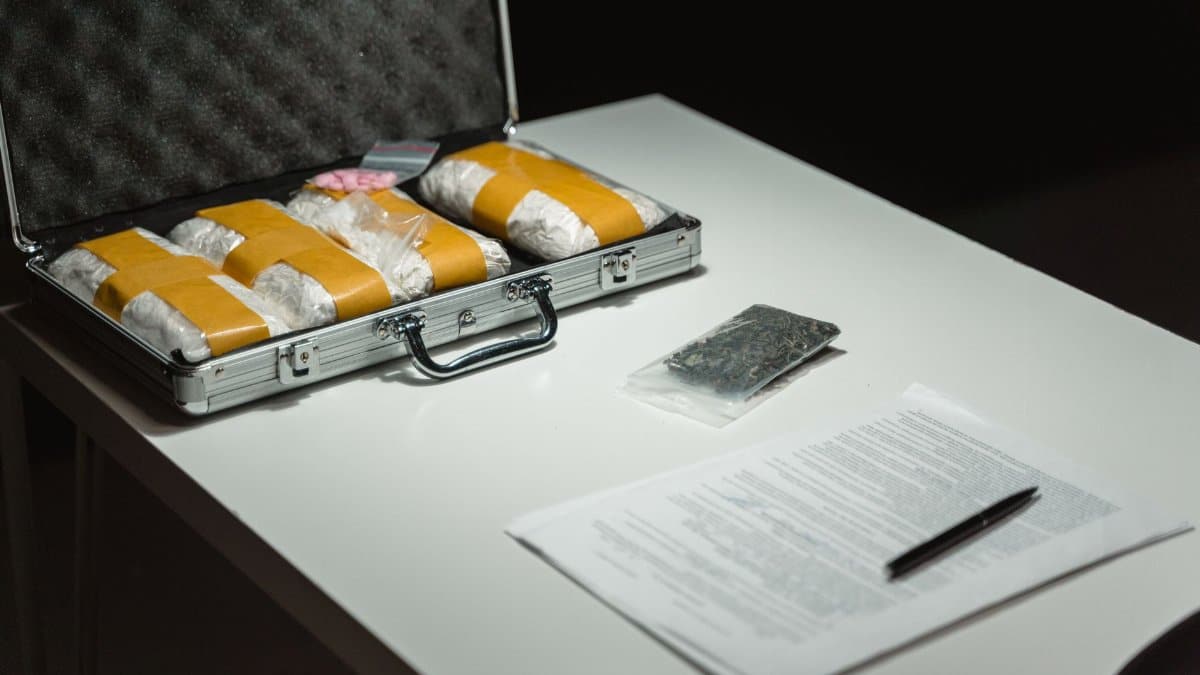
Records from recent years show a steady rise in recovered drones and their payloads. Items recovered include synthetic drugs tobacco and electronic devices that inmates should not possess. Each successful drop adds to the internal market for these goods and fuels conflicts among the incarcerated population. Administrators note that the frequency has made manual searches less effective over time.
Impact on Prison Operations
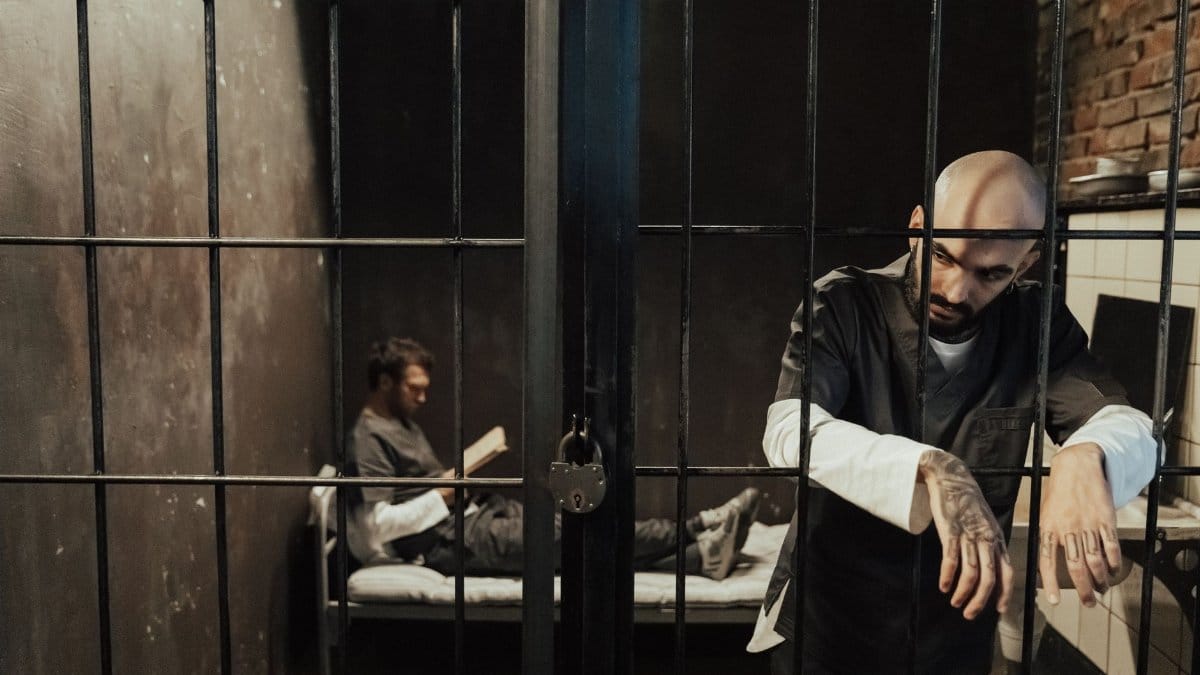
Daily routines suffer when staff must divert attention to intercepting aerial deliveries. Lockdowns become more common after discoveries which disrupts work programs and visitation schedules. Inmates with access to smuggled phones can coordinate activities that extend beyond the walls creating additional risks for communities outside. Morale among corrections officers declines as they face an adversary that operates from a distance.
Current Security Measures in Place
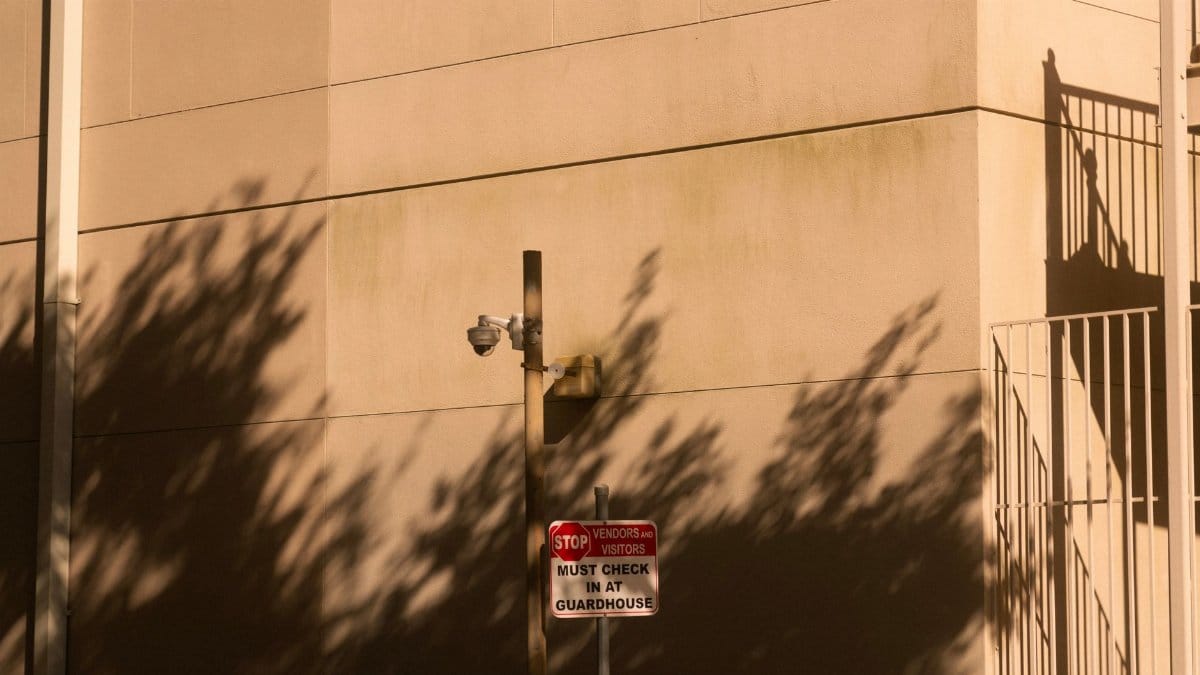
Facilities rely on a mix of fencing cameras and occasional patrols to spot incoming devices. Some locations have tested radio frequency detectors that alert staff to nearby drone activity. Budget constraints limit the rollout of more advanced systems across all units. Training for officers focuses on rapid response once a device is spotted rather than prevention at the source.
Challenges in Detection and Interception

Many drones use consumer models that blend with hobbyist traffic in surrounding areas. Nighttime operations reduce visibility and sound dampening materials make them harder to hear. Legal rules around airspace complicate efforts to shoot down or jam signals without broader coordination. Response teams often arrive after the payload has already landed and been retrieved by inmates.
Role of Outside Criminal Networks
Groups operating beyond the prison system coordinate the flights using lookouts and remote pilots. Profits from the delivered goods support continued operations and encourage investment in better equipment. Law enforcement agencies at the local and state level have begun sharing intelligence but gaps remain in real time communication. Tracing the origins of flights requires resources that stretch existing investigative capacity.
Policy Recommendations for Improvement

State leaders should consider dedicated funding for layered detection systems that combine radar and acoustic sensors. Partnerships with federal aviation authorities could restrict drone flights near known facilities. Clearer laws on penalties for drone assisted smuggling would deter some participants. Regular assessments of current protocols would help identify weaknesses before they are exploited further.
Examples from Other States

Correctional systems in neighboring regions have experimented with netting systems and trained birds of prey for interception. Some have achieved modest reductions in successful deliveries through consistent use of jamming technology where permitted. Sharing these experiences allows Texas to adapt proven approaches without starting from scratch. Collaboration across state lines strengthens overall border security for prisons.
Future Outlook for Prison Safety
Without stronger coordinated action the reliance on drones for contraband will likely expand. Advances in drone design could soon include autonomous navigation that further reduces the chance of pilot capture. Texas Prisons Contraband Drones Security stands as a test case for how correctional institutions adapt to new technologies. Sustained investment and updated regulations offer the best path toward restoring control over what enters the facilities. Texas Prisons Contraband Drones Security must remain a priority topic in legislative sessions to ensure resources match the scale of the challenge. Continued vigilance combined with innovation will determine whether prisons regain the upper hand in this ongoing contest.