

In a city where sudden sounds can signal both celebration and crisis residents have grown accustomed to wondering whether help is on the way. The Detroit ShotSpotter Funding City Council Vote now stands as a pivotal moment that could shape how authorities respond to gunfire across several districts for years ahead. Local leaders face pressure from multiple sides as they prepare to decide the fate of a detection system that has drawn both praise for faster alerts and criticism over accuracy and expense.
Origins of the detection program

Detroit first adopted the acoustic sensors nearly a decade ago in an effort to reduce response times in high crime zones. Officers received alerts within seconds of a possible discharge allowing them to reach scenes sooner than traditional 911 calls sometimes permitted. Early data suggested modest gains in evidence collection yet questions about reliability surfaced almost immediately from residents and researchers alike.
Public safety outcomes observed
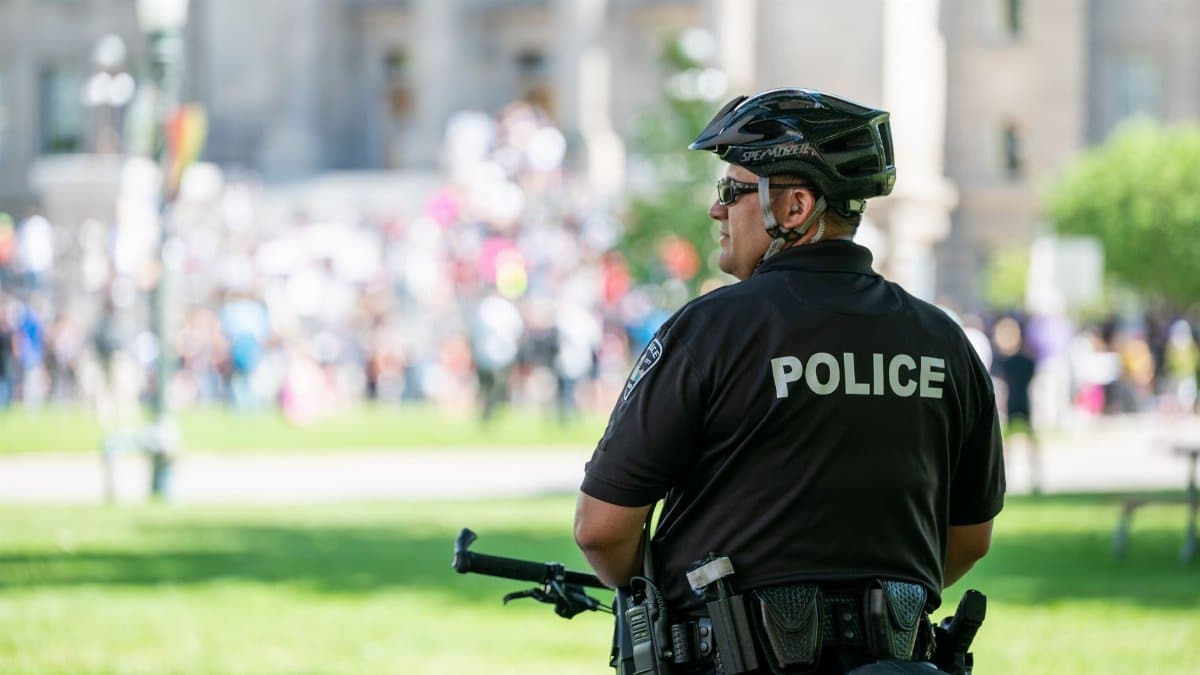
Supporters point to instances where the system directed teams to locations before witnesses phoned in details. Police reports credit the technology with aiding arrests in a fraction of cases though independent reviews note that many alerts produced no physical evidence of gunfire. The mixed results have fueled debate over whether the benefits justify continued investment.
Financial considerations for taxpayers

Annual costs run into the millions covering sensor maintenance data analysis and integration with dispatch centers. Council members must weigh these figures against other budget priorities such as road repairs and youth programs. The Detroit ShotSpotter Funding City Council Vote will clarify whether additional funds are approved or if the program faces scaling back.
Community perspectives and concerns

Neighborhood associations have voiced unease about constant surveillance and the potential for false activations that disrupt daily life. Some families describe nights interrupted by police activity at locations where no threat existed while others appreciate any tool that might prevent violence from escalating. These divided sentiments reach elected officials through public meetings and written testimony.
Views from law enforcement leadership
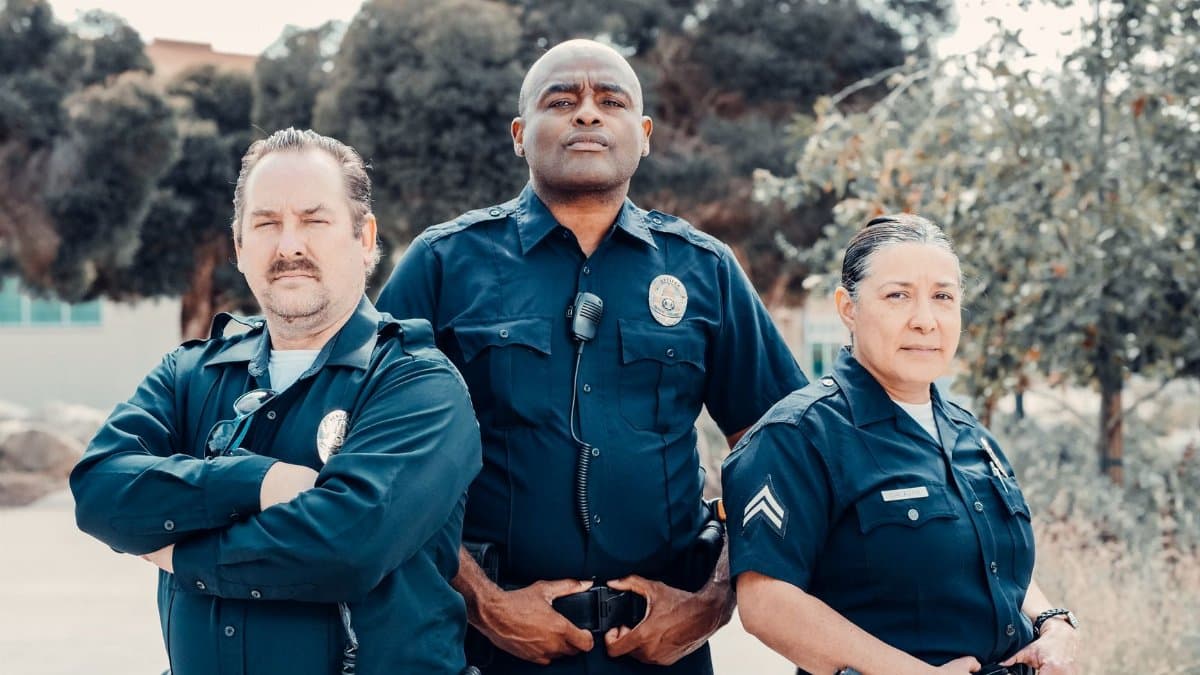
Commanders argue that the sensors provide valuable context during active incidents helping allocate limited personnel more effectively. They acknowledge imperfections yet maintain that the system serves as one layer among broader strategies including community patrols and violence interrupters. Removing the technology they contend could slow progress in certain corridors.
Alternative approaches under discussion

Some council members advocate shifting resources toward expanded human intelligence networks or upgraded camera systems without acoustic components. Others propose pilot programs that combine limited sensor use with greater emphasis on social services aimed at root causes of conflict. Each option carries distinct advantages and tradeoffs that require careful evaluation.
Legal and privacy implications

Advocates for civil liberties have raised issues around data storage and potential misuse of recordings in unrelated investigations. City attorneys have reviewed policies to ensure compliance with state and federal standards yet transparency remains a sticking point for skeptics who seek clearer oversight mechanisms.
Regional comparisons and lessons
Other municipalities that once relied on similar technology have since reduced or eliminated contracts after audits revealed high rates of false positives. Detroit officials have studied those experiences while tailoring solutions to local conditions. The upcoming Detroit ShotSpotter Funding City Council Vote offers an opportunity to apply such insights before committing to a longer term path.
Next steps after the decision

Whatever the outcome implementation will demand coordination between technology vendors police and neighborhood groups. Training sessions and performance benchmarks could help measure whether adjustments improve results over time. Residents will watch closely to see if the process leads to safer streets or renewed frustration. The Detroit ShotSpotter Funding City Council Vote therefore marks not an ending but a transition point for public safety strategy in the region.