

Minnesota regulators are stepping in to tackle persistent industrial smells that have long troubled neighborhoods across the metropolitan area. Complaints about chemical like emissions from factories and processing plants have grown in recent years, prompting the Minnesota Pollution Control Agency to develop clearer standards that take effect in 2026. The effort centers on Twin Cities Odor Regulation MPCA Nasal Ranger tools to measure and limit objectionable odors in a consistent way. Residents in places like Minneapolis suburbs and Saint Paul industrial zones describe waking to acrid air that disrupts daily life, while businesses worry about added compliance costs. This shift marks a notable change in how the state handles air quality issues that fall outside traditional pollutant rules.
Origins of odor complaints in the region

For years homeowners near rail yards and manufacturing sites have reported headaches and reduced outdoor time due to drifting smells. Local health officials tracked patterns through phone logs and community meetings, revealing clusters around certain facilities. These accounts helped build the case for formal oversight rather than relying on voluntary industry adjustments.
How the MPCA developed its approach

Agency staff reviewed data from multiple counties and consulted with environmental engineers before drafting the framework. The process included public hearings where both affected citizens and plant operators shared perspectives. The resulting guidelines focus on repeatable measurement methods instead of subjective judgments alone.
Role of specialized detection equipment
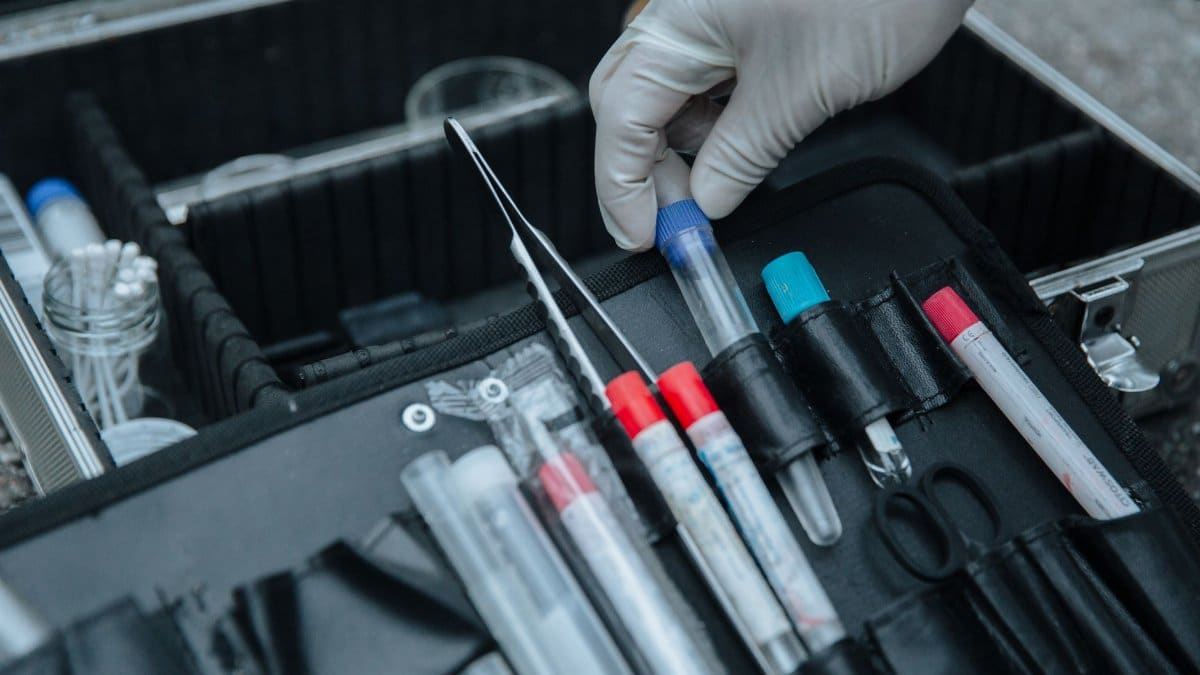
Field inspectors will use calibrated devices to quantify odor intensity at property lines. Training programs ensure consistent readings across different weather conditions and times of day. This equipment allows the agency to establish thresholds that trigger further investigation or corrective orders.
Industries most likely to face scrutiny

Wastewater treatment plants, food processors, and chemical manufacturers sit high on the list of facilities expected to adapt operations. Some already conduct internal monitoring, yet others will need new protocols and possibly physical upgrades to exhaust systems. Smaller operations may seek technical assistance from state programs to meet deadlines.
Resident experiences and quality of life effects

Families describe avoiding backyard gatherings during certain wind patterns or keeping windows closed even in mild weather. Schools in proximity to sources have adjusted recess schedules on high odor days. These everyday disruptions underscore why measurable standards matter beyond abstract environmental goals.
Enforcement mechanisms and timelines

Starting in June 2026, violations could lead to required mitigation plans and follow up inspections. The agency plans phased rollout with initial focus on sites generating the highest number of prior reports. Penalties remain secondary to cooperation, though repeated failures could result in fines or operational limits.
Comparisons with other state programs

Neighboring states have experimented with similar odor limits, offering Minnesota examples of what works and where gaps appear. Some rely more heavily on community sensors, while others emphasize modeling of emission plumes. Minnesota officials studied these models before finalizing local adaptations suited to the climate and industrial mix here.
Business adaptation strategies

Companies are exploring covered storage, biofilters, and adjusted production schedules to reduce off site impacts. Trade groups have begun sharing best practices through workshops. Early adopters report that proactive changes can improve community relations and avoid future regulatory hurdles.
Potential broader air quality benefits

While the rules target odors specifically, reduced emissions of certain compounds may accompany compliance efforts. Monitors already in place for other pollutants could capture secondary improvements over time. Researchers at regional universities have expressed interest in tracking outcomes once the standards are active.
Looking ahead to full implementation

Continued public input sessions will refine details before the June 2026 start date. The agency expects to publish guidance documents and host training for both inspectors and facility managers. Success will depend on clear communication and steady resources for monitoring across the seven county area.