

The promise of generous support for families often collides with harsh realities in public policy experiments. Recent data from Texas reveals that fewer than thirty students with disabilities received the maximum award under the new accounts program. This outcome highlights deep gaps in Texas School Voucher Disability Funding Education where expectations of thirty thousand dollars in aid rarely materialize for those who need it most.
Program Design and Stated Goals

Texas launched education freedom accounts to expand options beyond traditional public schools. Officials promoted the effort as a lifeline for families seeking specialized instruction. Yet administrative rules and eligibility caps have restricted payouts dramatically. Most recipients obtained far smaller sums that cover only basic tutoring or partial tuition.
Who Actually Receives Maximum Awards

Records show the full amount reached an extremely small group. Eligibility requires extensive documentation of needs along with approval from multiple state agencies. Families without strong advocacy networks struggle to navigate the process. This pattern leaves many children in under resourced districts without meaningful relief.
Impact on Families in Urban Areas
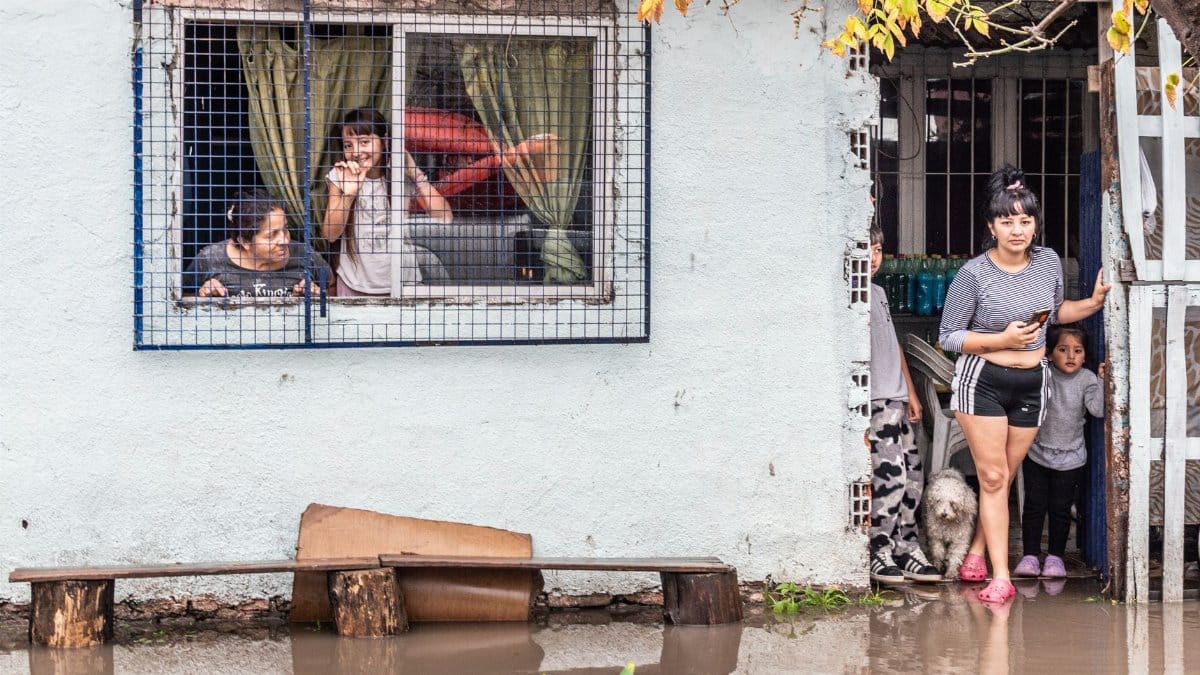
Houston parents describe months of paperwork followed by disappointing notifications. One mother explained that her son qualified for services but the account provided only a fraction of anticipated costs. Private providers often charge rates exceeding the limited funds available through the program.
Role of Local School Districts

Houston ISD and similar systems have seen enrollment shifts as some families explore alternatives. District leaders argue that draining resources from public classrooms harms the majority of students with disabilities who remain in neighborhood schools. They call for better coordination between voucher accounts and existing special education services.
State Comptroller Oversight Findings

Audits released by the comptroller office confirm low distribution rates for top tier funding. The reports point to strict medical verification standards and caps tied to average private school costs. These mechanisms were intended to prevent misuse yet they also block access for legitimate applicants.
Comparisons With Other State Initiatives

Neighboring states operate similar choice programs with different payout structures. Some provide automatic supplements for documented disabilities without requiring separate applications. Texas rules appear more fragmented by comparison leading to uneven results across regions.
Long Term Effects on Special Education Access

Advocates warn that persistent shortfalls could discourage families from pursuing private placements altogether. Children might stay in settings that fail to meet individualized plans simply because supplemental money never arrives. This dynamic risks widening achievement gaps over time.
Potential Reforms Under Discussion

Lawmakers have floated proposals to simplify verification steps and raise base award levels for high need cases. Others suggest tying payments more closely to actual service invoices rather than fixed caps. Such changes would require legislative action in upcoming sessions.
Broader Debate on Public Funding Priorities

Critics question whether voucher expansions truly serve equity goals when outcomes favor a tiny subset of applicants. Supporters maintain that even partial aid offers valuable flexibility for some households. The conversation reflects ongoing tensions about how states allocate limited education dollars.
Looking Ahead for Texas Families

Future cycles may bring adjustments as officials review early performance data. Families continue to monitor announcements hoping for clearer pathways to full support. The experience so far underscores how policy details shape real world results in Texas School Voucher Disability Funding Education efforts across the state.