
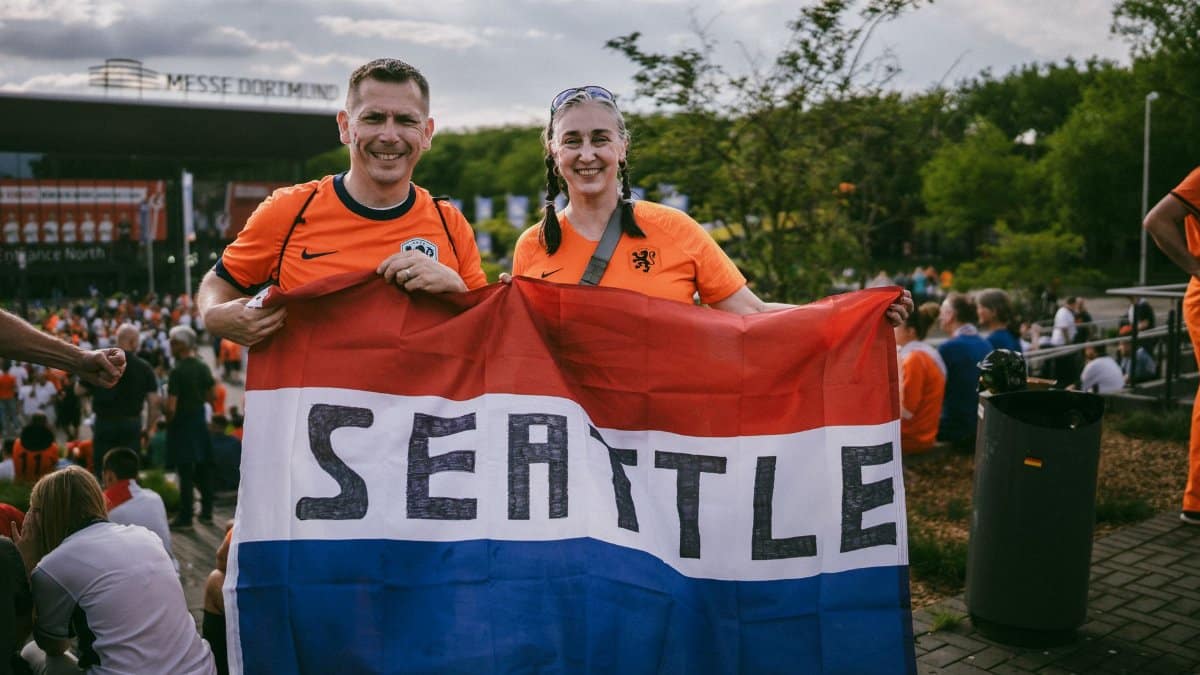
Seattle has emerged as a standout performer among the cities selected for the 2026 global soccer championship. The region delivered impressive attendance figures and operational successes that set new benchmarks for host venues. Amid these accomplishments the phrase Seattle World Cup 2026 Record Wins Host City captures how local organizers turned challenges into measurable gains while acknowledging areas where expectations fell short.
Setting the Stage for Large Scale Events
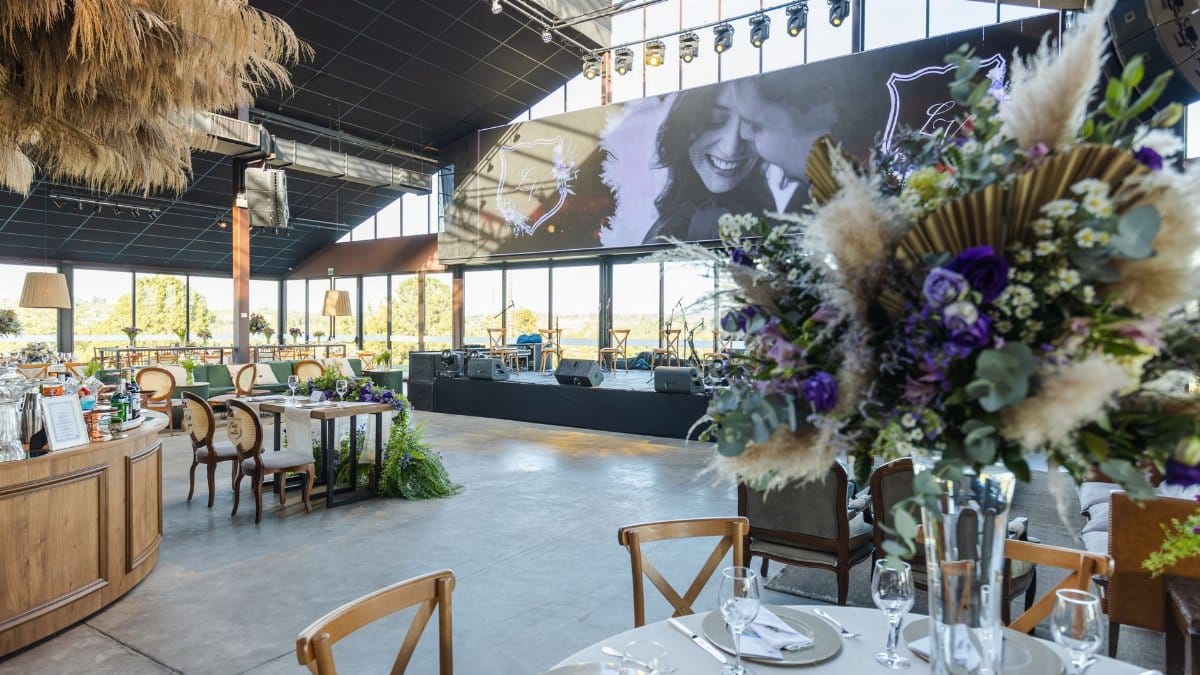
The Pacific Northwest prepared its stadiums and transportation networks years ahead of the championship. Local officials coordinated with international bodies to meet strict facility standards. This groundwork allowed smooth handling of crowds that exceeded projections at several matches. Fans from across the country and beyond filled stands in numbers that highlighted strong community support.
Attendance Figures That Broke Previous Marks
Records for single match turnout and overall tournament participation were surpassed in Seattle venues. Organizers reported higher daily visitor counts than any prior host city in the same role. These numbers reflected effective marketing campaigns aimed at both dedicated followers and casual observers. Revenue from tickets and concessions followed the upward trend.
Transportation Systems Under Pressure
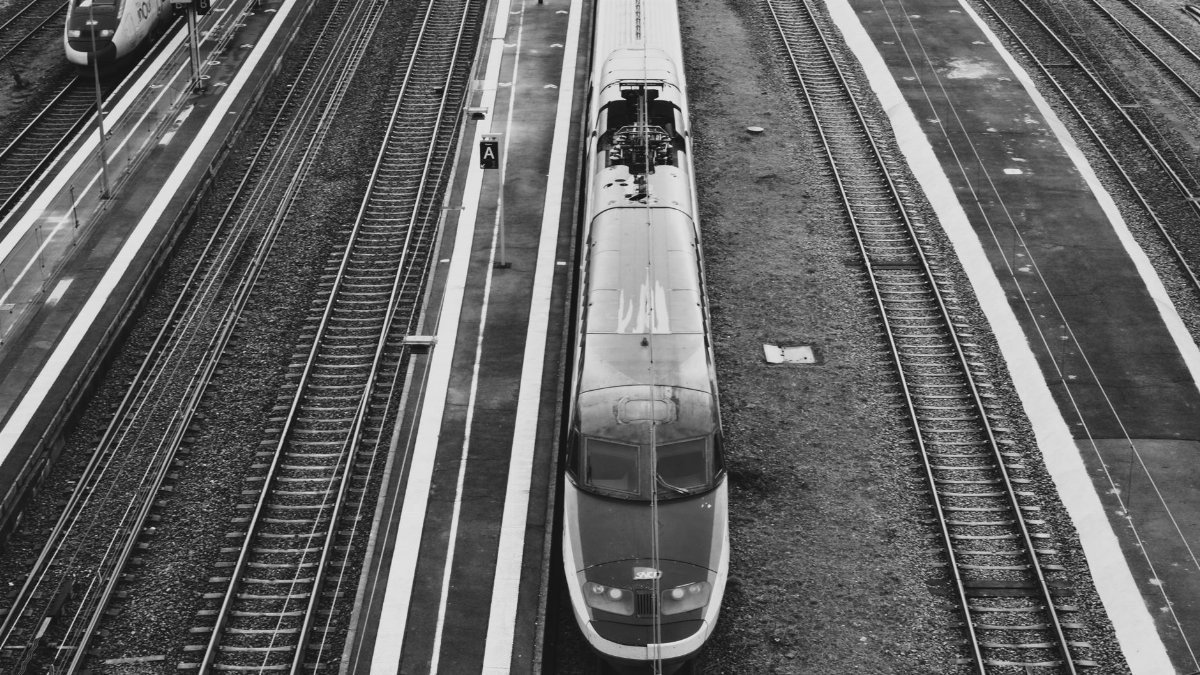
Public transit lines carried record numbers of passengers during peak game days. New bus routes and expanded light rail service helped move people efficiently. Some delays occurred on the busiest evenings yet overall feedback remained positive. City planners noted these experiences will guide future upgrades.
Local Businesses See Mixed Outcomes

Restaurants and hotels near the main stadium reported strong bookings throughout the event window. Smaller vendors in surrounding neighborhoods experienced uneven results. Some shops benefited from foot traffic while others saw limited spillover. Economic data collected after the final match will clarify the full picture.
Community Engagement Programs

Schools and youth clubs hosted viewing parties and skill clinics tied to the championship. These initiatives drew families who might not otherwise follow the sport closely. Volunteers played a central role in running activities that emphasized inclusion. Participation logs showed steady interest across age groups.
Environmental Considerations During Planning
Efforts to reduce waste included expanded recycling stations and reusable cup programs. Organizers tracked carbon output from travel and operations. While goals for zero waste were not fully met the measures set a higher standard than earlier tournaments. Reports will inform similar projects in coming years.
Security Measures and Public Safety
Coordination between local police and federal agencies produced a calm atmosphere at venues. Crowd control plans adapted quickly when unexpected gatherings formed. No major incidents disrupted proceedings. After action reviews will refine protocols for future large gatherings.
Media Coverage and Global Reach
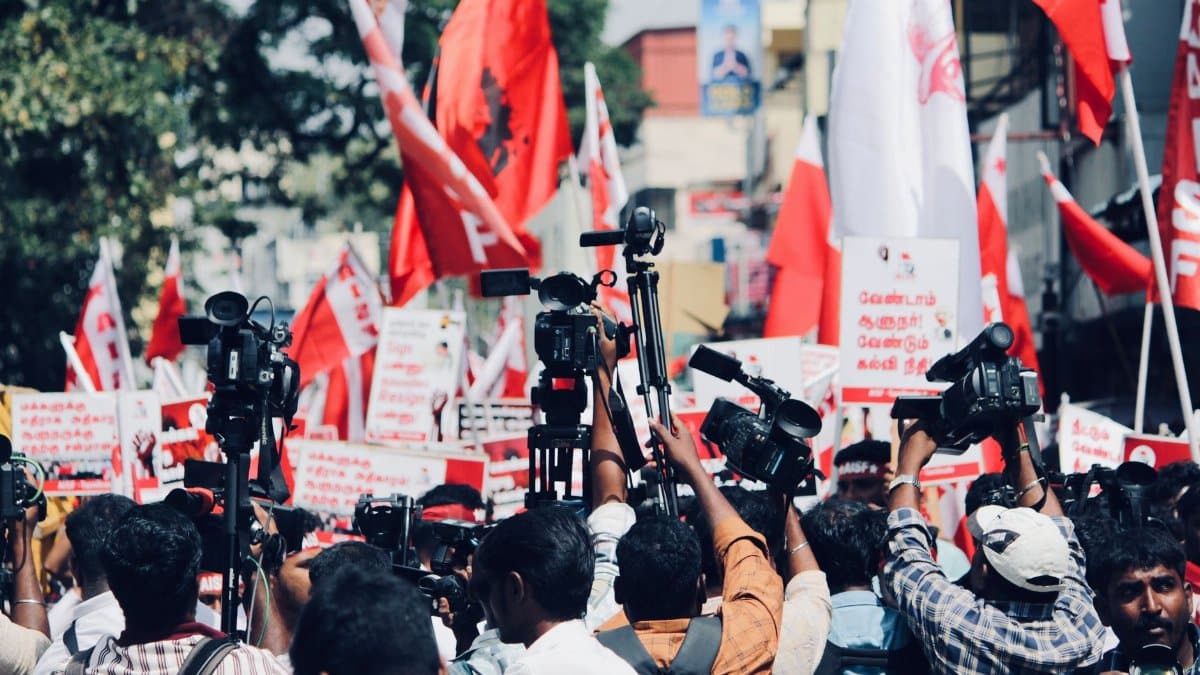
International broadcasters highlighted Seattle landmarks alongside game footage. Local outlets provided in depth features on preparations and fan experiences. The volume of stories helped position the city as a capable host. Digital metrics indicated strong online engagement from multiple continents.
Lessons From Shortfalls in Infrastructure
Some temporary seating expansions required last minute adjustments. A few access points for mobility impaired visitors proved inadequate during peak hours. These gaps prompted immediate fixes and longer term commitments to permanent improvements. Feedback sessions with attendees will shape the next phase of work.
Looking Ahead After the Final Whistle
City leaders view the championship as a catalyst for ongoing development. Plans already underway include further transit expansions and park enhancements near event sites. The experience reinforced Seattle capacity to manage global attention. Future bids for major events will build directly on these outcomes.