
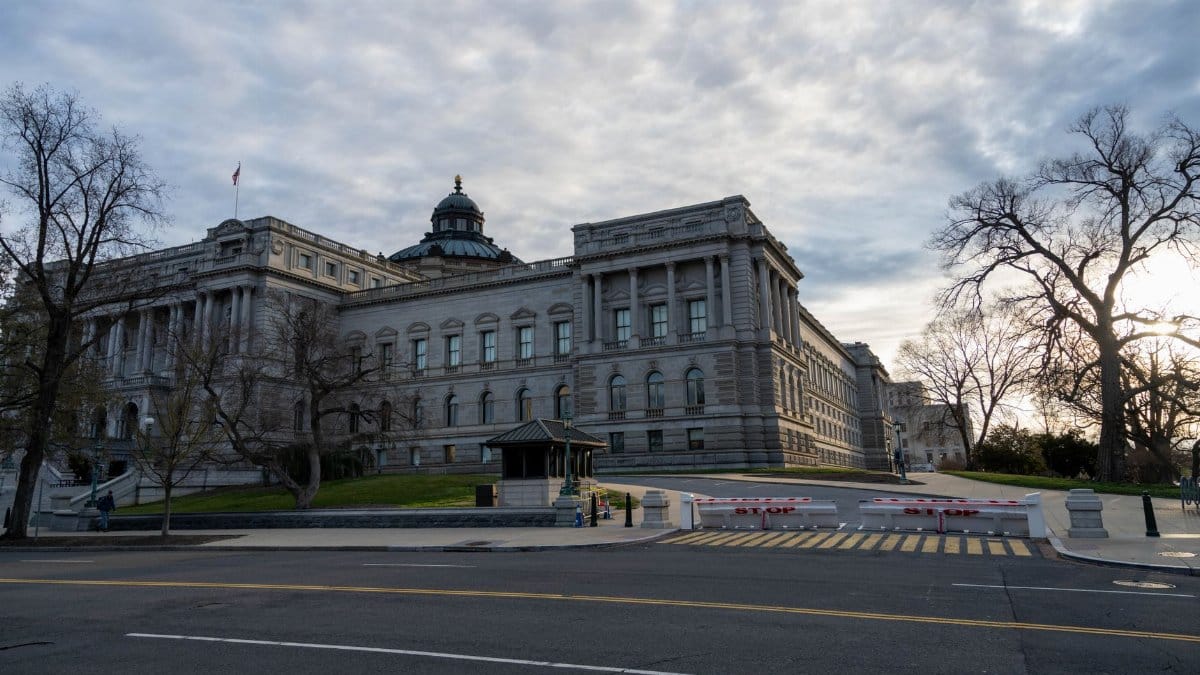
Nancy Pelosi stood before a packed auditorium in San Francisco and reflected on a career that spanned more than three decades in public service. With retirement from Congress now behind her she turns to a new chapter that centers on education and civic renewal. The initiative takes shape as Nancy Pelosi UC Berkeley Institute Democracy a program designed to prepare future leaders through hands on study and practical engagement at one of the nations premier public universities.
Roots of a Public Service Career

Her path began in Baltimore and led through the neighborhoods of San Francisco where she built a reputation for steady organizing and coalition building. Over the years she rose to Speaker of the House twice a rare achievement that placed her at the center of major legislative fights over health care financial reform and infrastructure. Colleagues often noted her skill at counting votes and keeping diverse factions aligned during tense negotiations.
Announcement of the New Institute
University officials confirmed that classes and seminars under Nancy Pelosi UC Berkeley Institute Democracy will begin in January. The program will draw on existing faculty expertise in political science law and public policy while adding new fellowships for emerging organizers. Early planning documents describe a curriculum that mixes classroom instruction with field placements in local government offices and nonprofit organizations.
Role of UC Berkeley in Civic Education
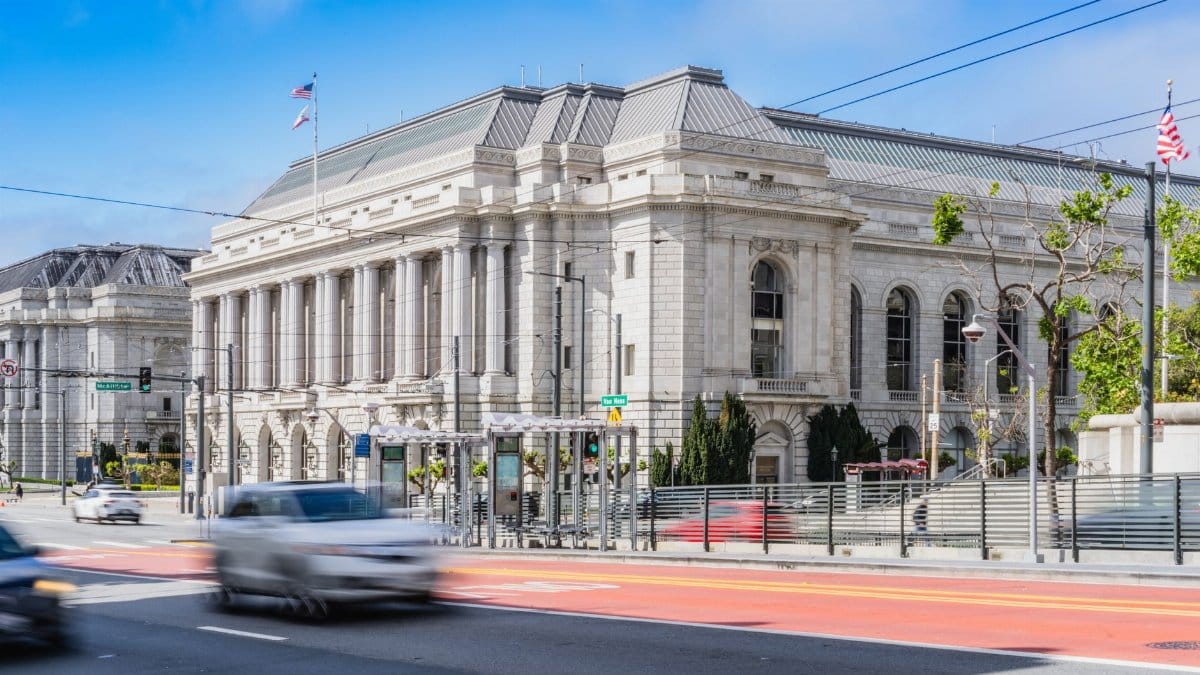
The campus already hosts several centers focused on governance and ethics. Adding Nancy Pelosi UC Berkeley Institute Democracy extends that tradition by emphasizing representative institutions and the mechanics of coalition formation. Administrators say the location offers students direct access to state capitol internships and opportunities to observe legislative proceedings in real time.
Curriculum Focus and Teaching Methods

Coursework will cover topics such as district mapping campaign finance rules and the history of procedural change in Congress. Instructors plan to invite former staff members and elected officials for short residencies so students can hear firsthand accounts of how bills move through committees. Evaluation will rely on group projects rather than traditional exams.
Partnerships with State and Local Government
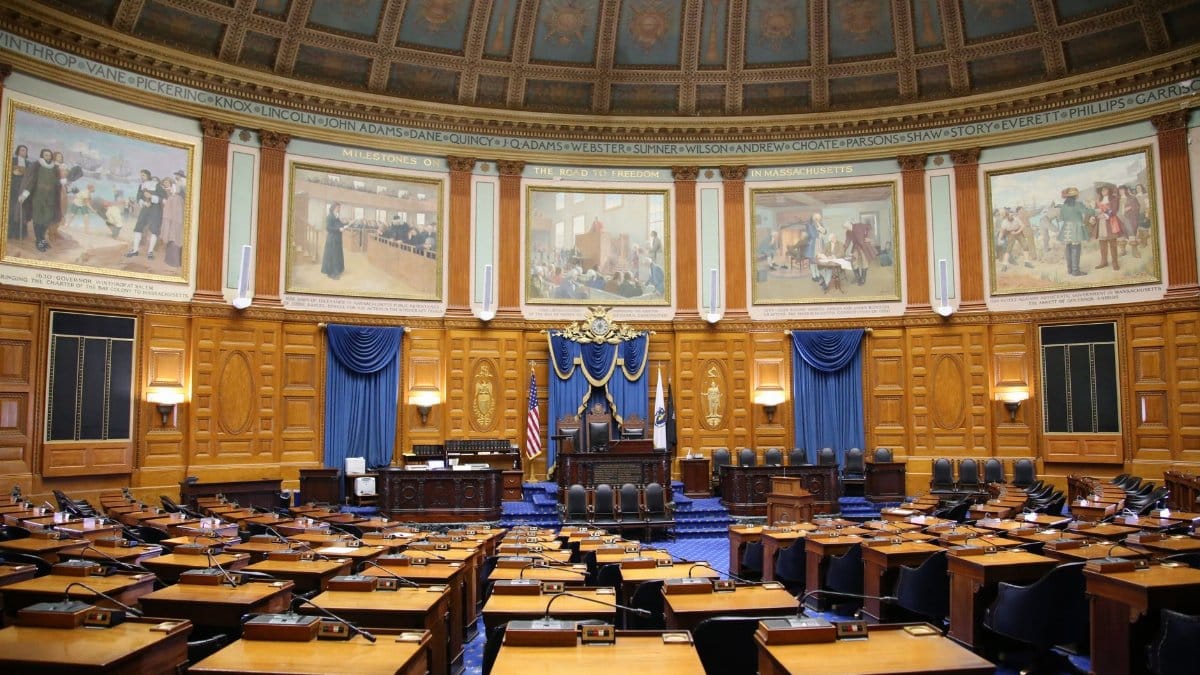
Early conversations have taken place with the California Assembly and several Bay Area city councils. These partnerships aim to create pipelines for students interested in running for office or managing campaigns. Program leaders stress that placements will remain nonpartisan with participants assigned across the political spectrum.
Impact on Future Generations of Leaders

Alumni of similar university programs have gone on to serve in state legislatures and federal agencies. Supporters of Nancy Pelosi UC Berkeley Institute Democracy hope the new effort will expand that pipeline especially for candidates from underrepresented regions of the state. Tracking surveys will follow participants for five years after completion to measure long term career outcomes.
Funding Sources and Budget Outlook

Initial support comes from private donors and a modest allocation from university reserves. Grant applications have been submitted to national foundations that focus on democratic renewal. Budget documents project annual operating costs near two million dollars once the institute reaches full enrollment of roughly eighty fellows per cohort.
Reactions from Former Colleagues

Many members of Congress issued statements praising the move as a natural extension of a lifelong commitment to institutional strength. A few noted that the timing coincides with broader national discussions about civics education in public universities. Critics questioned whether the program might tilt toward one ideological perspective though organizers insist on strict balance in speaker invitations.
Comparison with Existing Leadership Programs
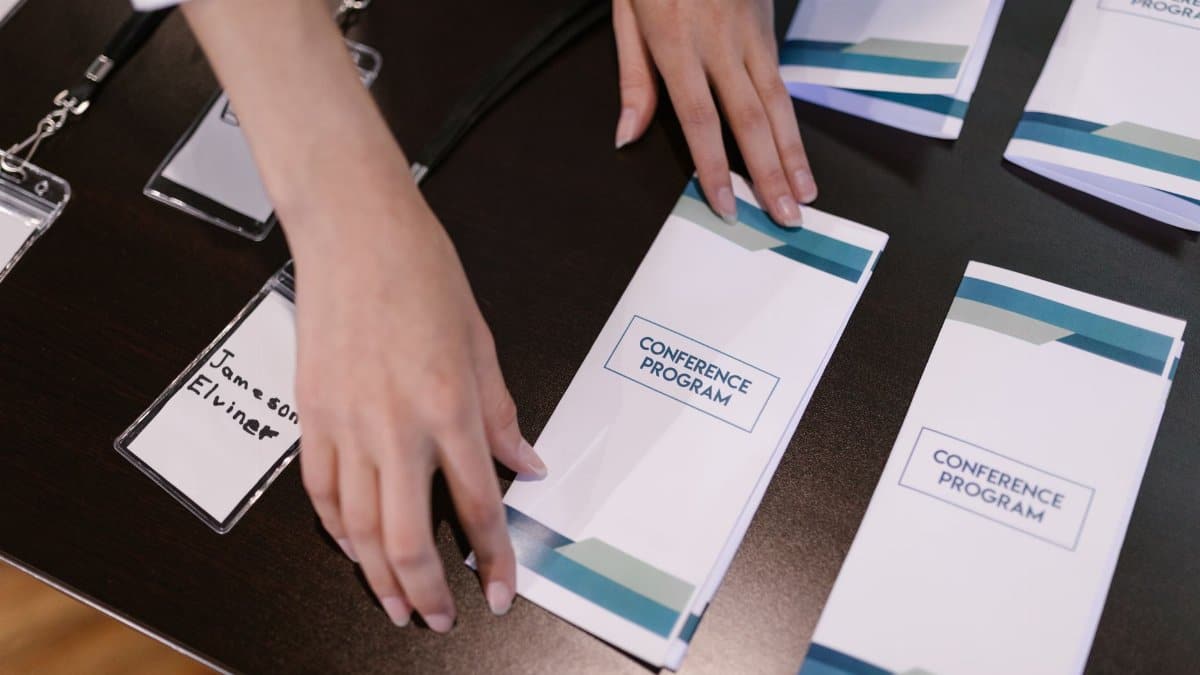
Other universities operate centers dedicated to public service yet few combine the scale of UC Berkeley with direct ties to a former House Speaker. The distinctive element lies in the emphasis on procedural literacy how rules shape policy outcomes rather than policy advocacy alone. Early syllabi show heavier attention to parliamentary history than most peer initiatives.
Student Recruitment and Diversity Goals

Admissions criteria prioritize academic record community involvement and a short essay on institutional reform. Outreach will target community colleges across California to broaden the applicant pool. Program staff have set internal targets for geographic and socioeconomic diversity though formal quotas remain absent.
Challenges in Measuring Success

Quantifying the effect of leadership training on democratic health presents difficulties. Organizers plan to publish annual reports that include placement statistics participant feedback and independent evaluations from outside scholars. Adjustments to the curriculum will follow those findings rather than fixed ideological commitments.
Broader Context of Post Congressional Careers
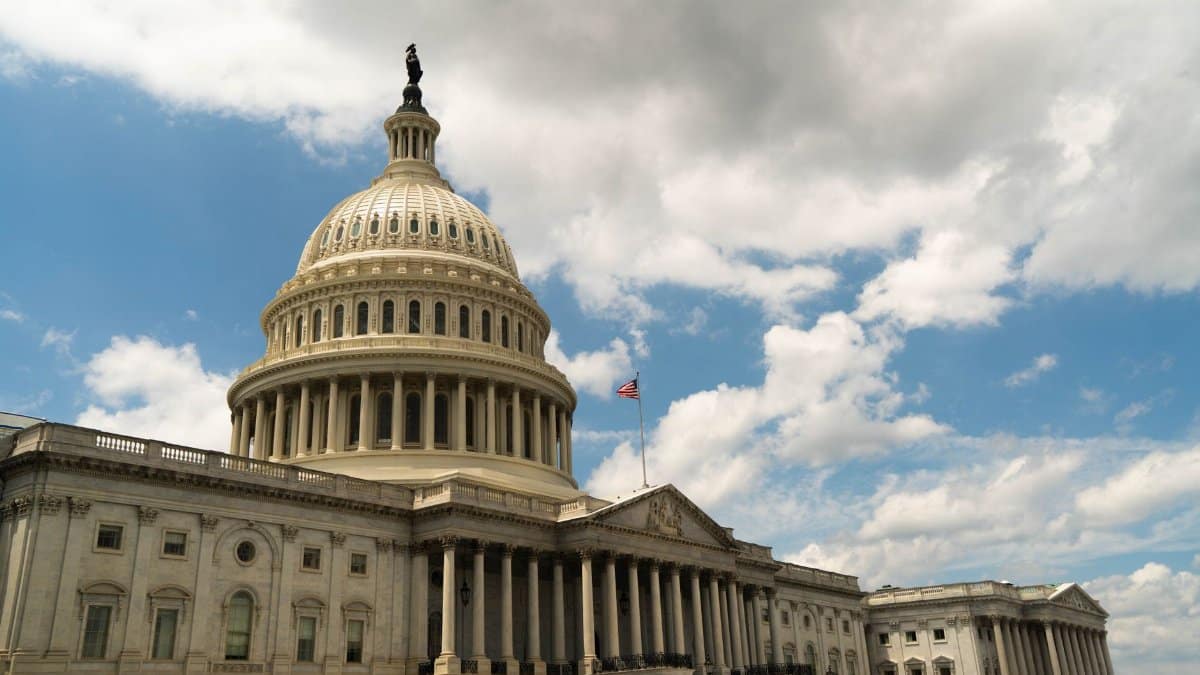
Retiring members of Congress often join corporate boards or advocacy groups. The choice to return to a university setting stands out for its focus on teaching rather than direct political activity. Observers see it as part of a wider trend in which experienced legislators seek to shape the next cohort through formal education channels.