
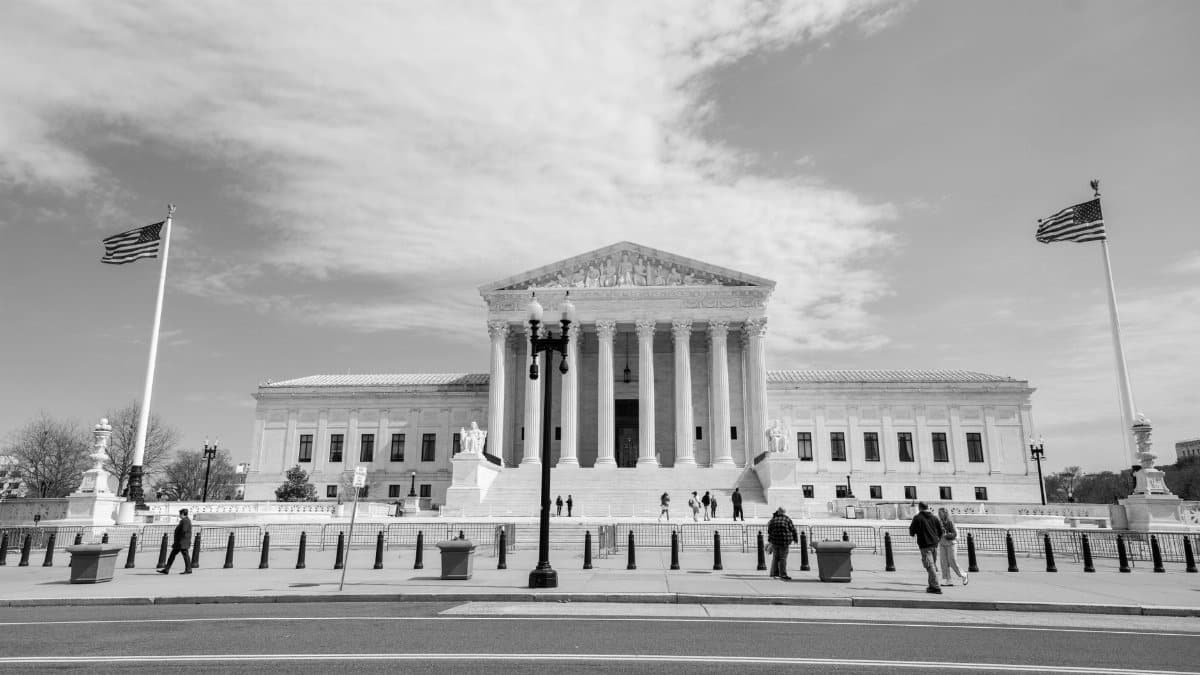
The nations highest court prepares for a decisive period of review this summer with attention fixed on questions of citizenship policy and presidential authority. Observers across the political spectrum await clarity on how longstanding constitutional provisions will apply under current leadership. This moment arrives amid broader debate over immigration enforcement and the limits of executive action. Supreme Court Birthright Citizenship Trump, Major SCOTUS Rulings June 2026, Trump Executive Order Citizenship stands at the center of that discussion as the justices weigh multiple appeals expected to conclude by the end of June.
Origins of the Citizenship Debate in Federal Courts

Legal scholars trace current tensions to earlier interpretations of the Fourteenth Amendment. Lower courts have issued conflicting opinions on whether children born on American soil to non citizens receive automatic citizenship. These divisions prompted the Supreme Court to accept review this term.
Details of the Executive Order on Citizenship
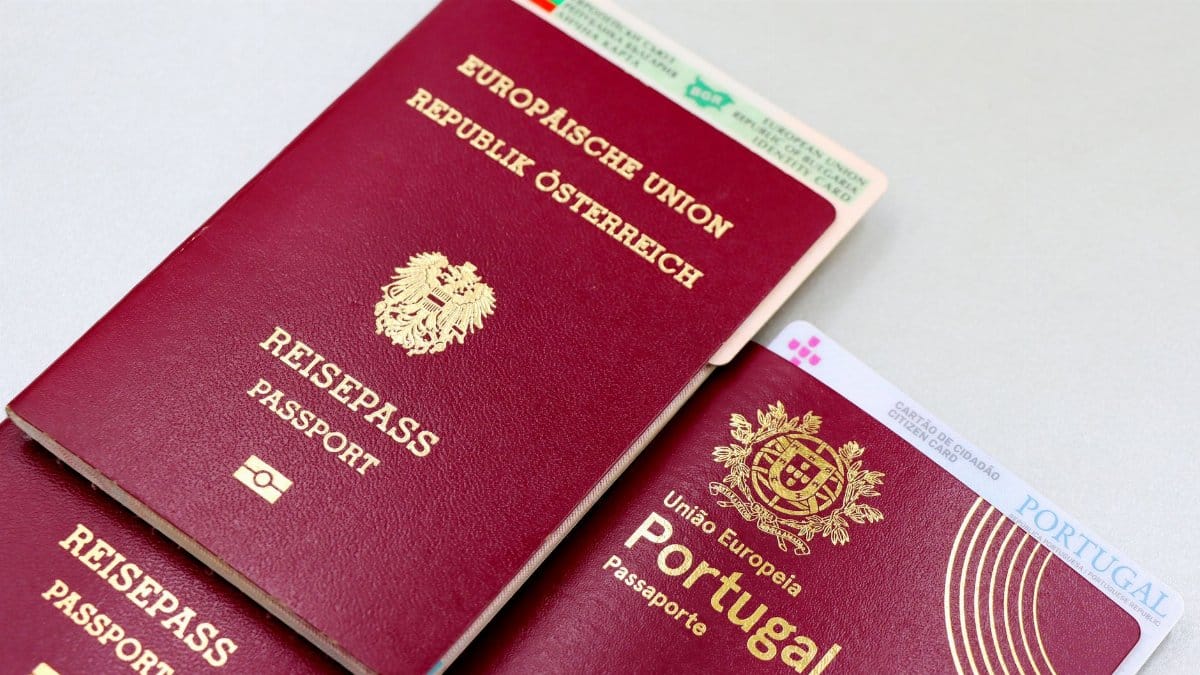
The administration issued an order directing federal agencies to limit recognition of birthright citizenship in certain cases. Challengers argue the measure exceeds presidential power and contradicts constitutional text. Supporters maintain it addresses enforcement gaps left open by prior policy.
Arguments Presented by State Officials
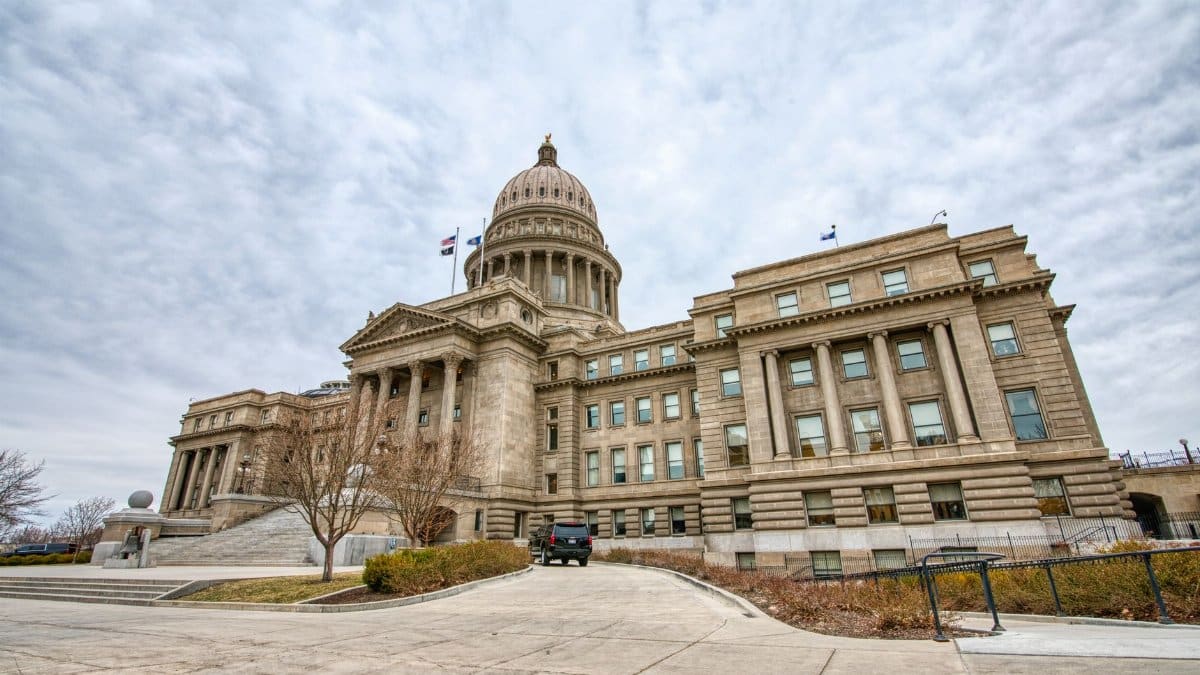
Attorneys general from several states contend the order disrupts established practices in hospitals and vital records offices. They describe practical difficulties in verifying parental status at the moment of birth. Their filings emphasize reliance on existing federal guidance.
Perspectives from Constitutional Scholars

Experts who study the amendment stress that its drafters sought to end disputes arising after the Civil War. Some maintain the text allows congressional refinement while others insist on a broader judicial reading. The court will examine these historical sources during oral arguments.
Impact on Families and Record Keeping

Parents in mixed status households have expressed uncertainty about future documentation needs. Hospitals report questions from expectant families seeking guidance on registration procedures. State agencies anticipate increased administrative workload if new verification steps take effect.
Comparison with Past Supreme Court Precedents
Earlier rulings addressed narrow questions of citizenship acquisition through parental status or territorial incorporation. None directly confronted an executive directive of this scope. The current case therefore presents a distinct test of separation of powers principles.
Potential Outcomes and Their Reach

Analysts outline several paths the justices might follow. A narrow decision could uphold the order with limited application. A broader ruling might clarify constitutional boundaries for future administrations. Each route carries consequences for immigration courts and federal benefit programs.
Reactions from Advocacy Organizations

Groups focused on immigrant rights describe the litigation as a test of core protections. Organizations favoring stricter enforcement see an opportunity to align policy with statutory intent. Both sides have filed extensive amicus materials outlining their positions.
Role of Lower Courts in Shaping the Record

District and appeals court opinions supplied the factual foundation now before the justices. Judges in different circuits reached opposing conclusions on statutory authority. These splits accelerated the path to Supreme Court consideration.
International Comparisons on Citizenship Rules

Many countries tie citizenship at birth to parental nationality rather than place of birth. American practice has long differed from that model. The court may consider whether global trends inform domestic constitutional analysis.
Administrative Preparations Across Agencies

Federal departments have begun reviewing internal procedures in anticipation of a ruling. Guidance documents on passport issuance and Social Security registration stand ready for revision. Officials stress that implementation will follow judicial direction.
Public Opinion and Media Coverage Patterns

Polling indicates divided views along familiar partisan lines. Coverage in major outlets has highlighted both the legal stakes and the human stories involved. Sustained attention is expected through the announcement of decisions.
Broader Context of June 2026 Rulings

Supreme Court Birthright Citizenship Trump, Major SCOTUS Rulings June 2026, Trump Executive Order Citizenship forms part of a larger docket that includes voting access and regulatory authority. The court plans to release opinions on multiple matters before its summer recess. Legal analysts will assess the collective impact on executive branch flexibility.