

In the quiet neighborhoods of Miami Dade County, property owners review their annual notices with a mix of hope and unease as a November ballot question promises to reshape how local governments collect revenue from homes and businesses. This measure, if approved, would deliver a sweeping Florida Property Tax Cut Local Impact across cities and counties already stretched thin by rising costs and growing populations. Local leaders warn that the change could force difficult choices about everything from road repairs to emergency response times.
Projected Shortfalls in Municipal Budgets
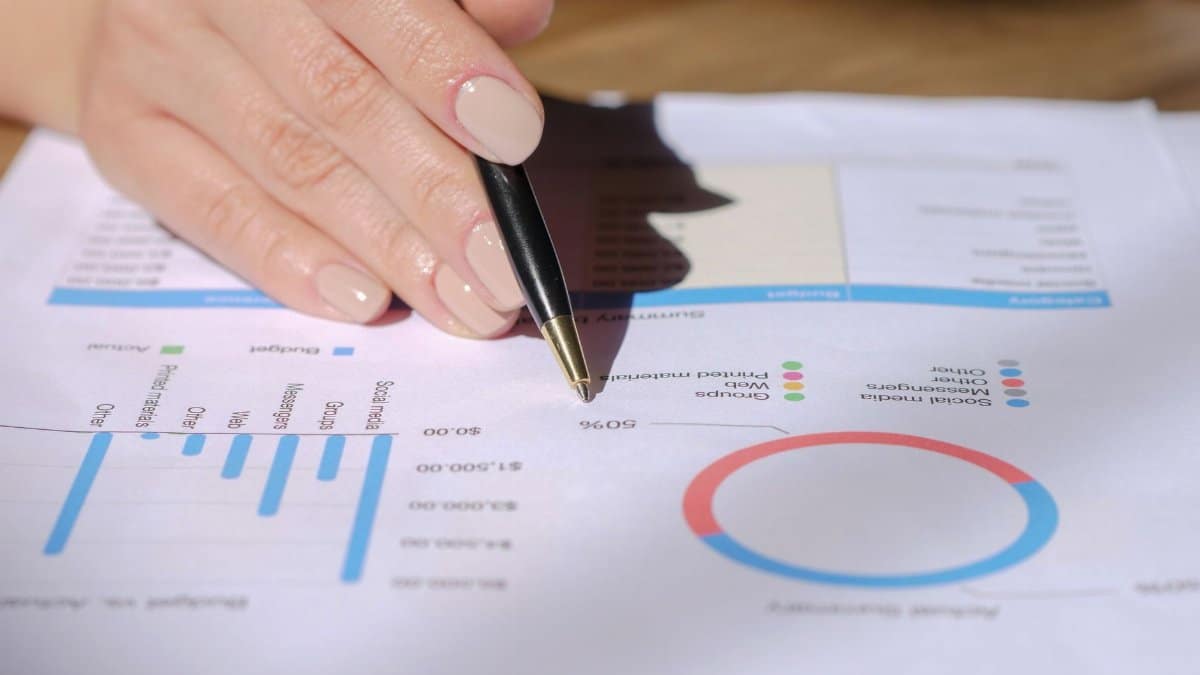
Cities throughout the state face the possibility of losing billions in annual collections according to preliminary estimates from county finance offices. Larger urban centers such as Miami and Tampa would absorb the heaviest reductions while smaller towns could see their limited reserves depleted within a single fiscal cycle. Officials note that even modest percentage drops compound quickly when applied to the vast number of taxable parcels.
Consequences for Everyday Public Services
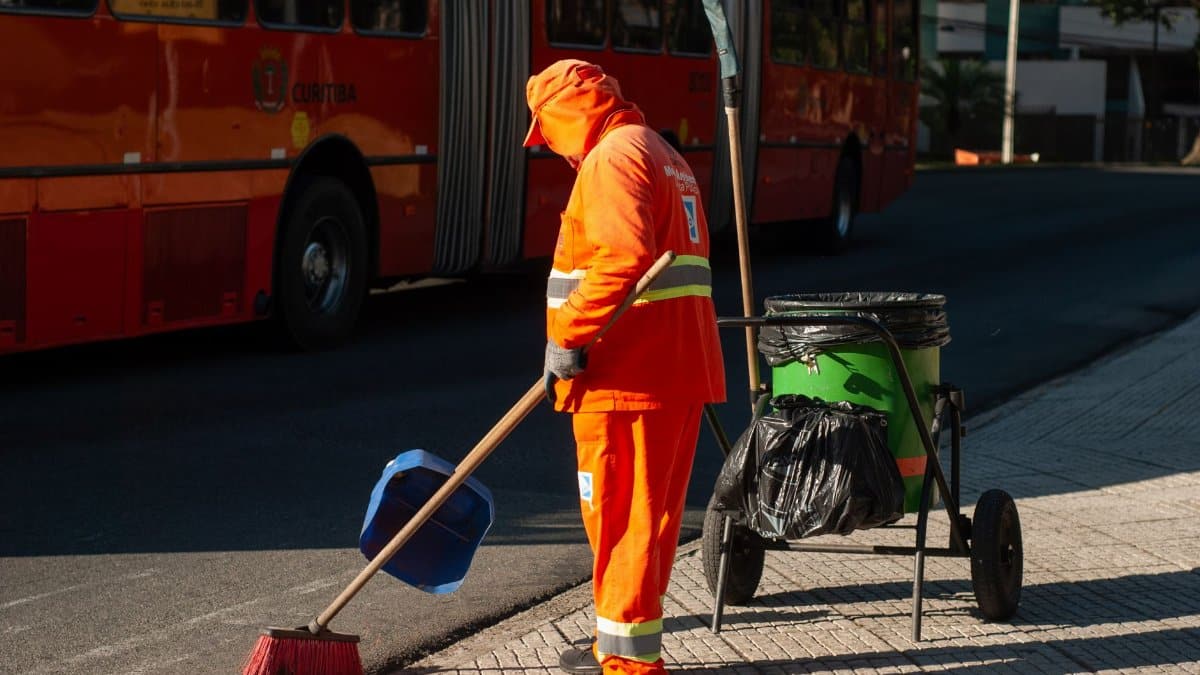
Fire departments and police agencies often depend on property revenue to maintain staffing levels and update equipment. A reduction here would likely translate into slower response times and fewer community programs aimed at prevention. Parks and recreation departments similarly anticipate scaled back hours and postponed upgrades that residents have requested for years.
Pressure on School Districts and Education Programs

Although Florida schools receive a portion of their support from state allocations many supplemental programs rely on local contributions tied to property values. Class sizes could increase and after school activities might face elimination in districts already operating near capacity. Parents and teachers have begun organizing informational sessions to explain these downstream effects.
Regional Differences in How Cuts Would Land

Coastal counties with high property values stand to lose far more in absolute dollars than inland agricultural areas. Yet rural communities often operate with thinner margins and fewer alternative revenue streams. This uneven distribution means the Florida Property Tax Cut Local Impact would not affect every resident or every government in the same way.
Views from County Administrators and Mayors

Elected leaders across party lines have expressed concern that the measure removes local control over funding priorities. Several have pointed out that property taxes already include exemptions and caps that shield many homeowners. They argue additional across the board reductions would limit flexibility during emergencies such as hurricanes or economic downturns.
Possible Shifts Toward Other Revenue Sources
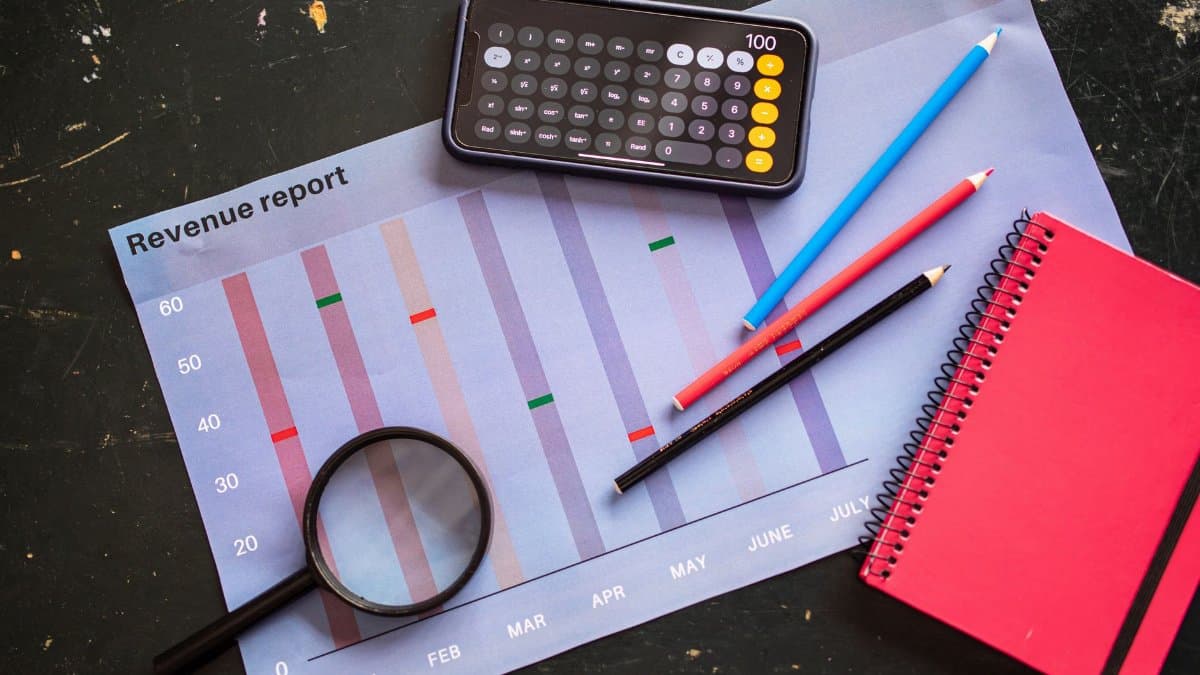
Some municipalities are exploring increases in sales taxes or user fees to offset expected shortfalls. These alternatives however tend to place greater burdens on lower income households and visitors alike. Discussions in commission chambers reveal little consensus on which approach would prove least disruptive.
Historical Precedents and Past Reform Efforts
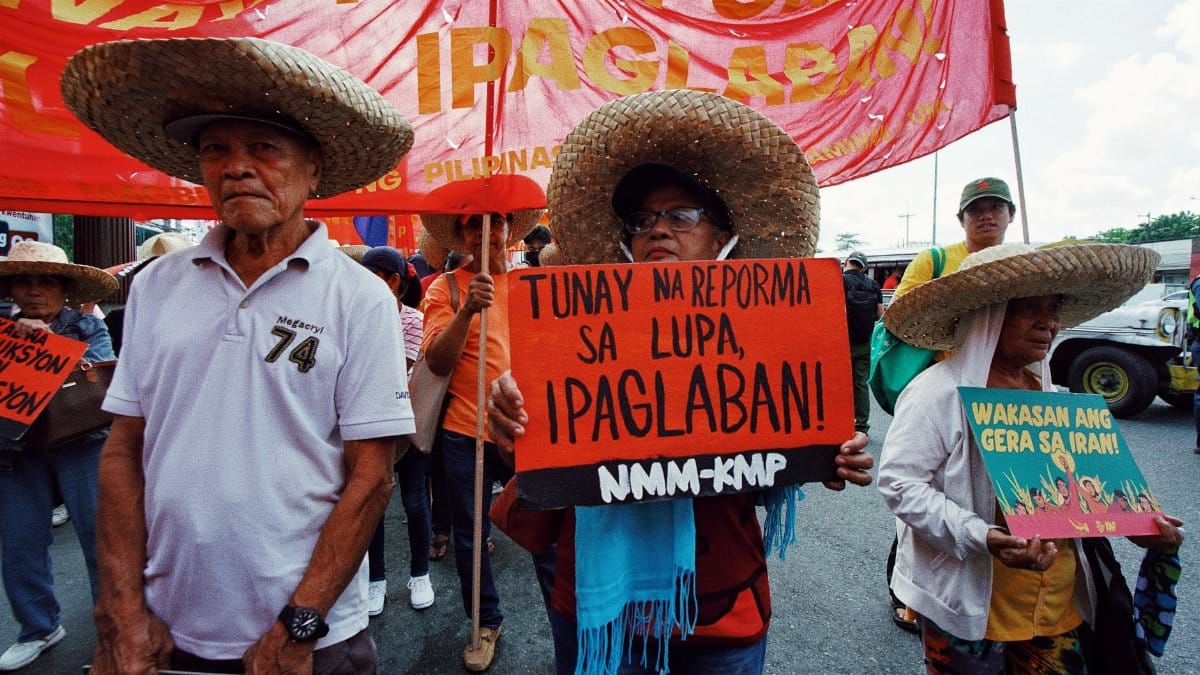
Previous attempts to limit property taxation in Florida produced mixed results with some measures later requiring adjustments when service quality declined. Lawmakers recall similar proposals in prior decades that eventually led to higher state aid requests. Those episodes offer cautionary lessons for the current debate.
What the Ballot Language Actually Specifies
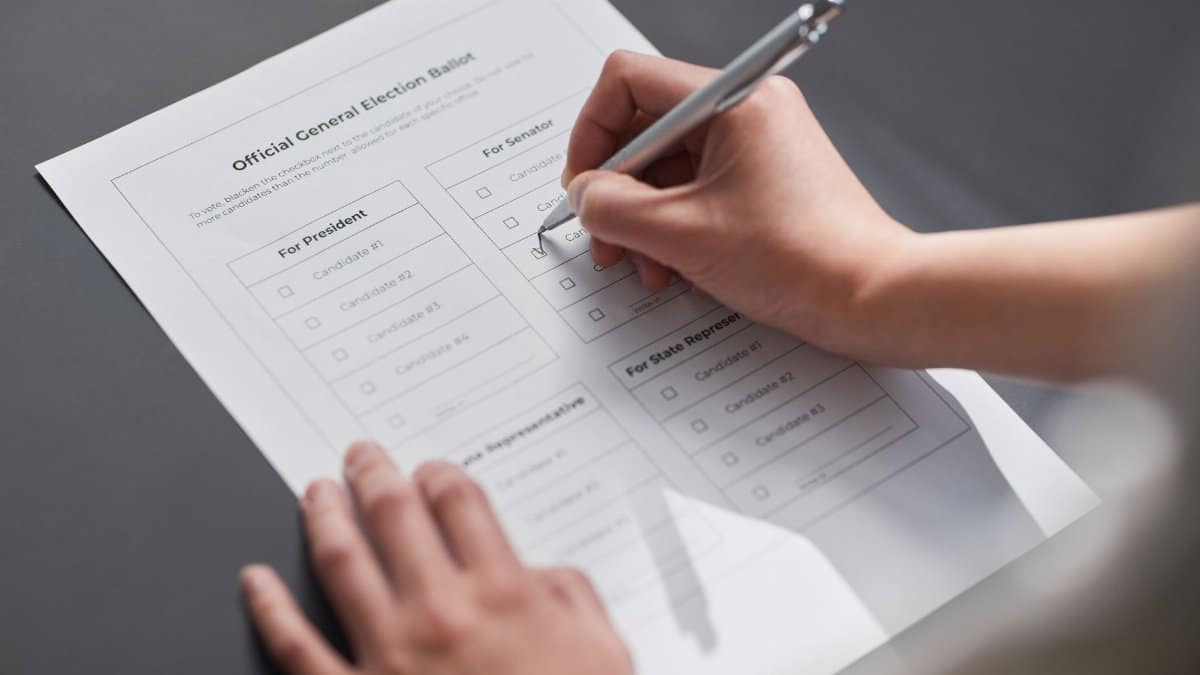
The measure would expand existing caps and introduce new assessment limits on certain residential and commercial holdings. Supporters emphasize homeowner savings while critics highlight the absence of protections for local service levels. Clear explanations of the fine print remain limited in public materials distributed so far.
Outlook for Voters Ahead of November
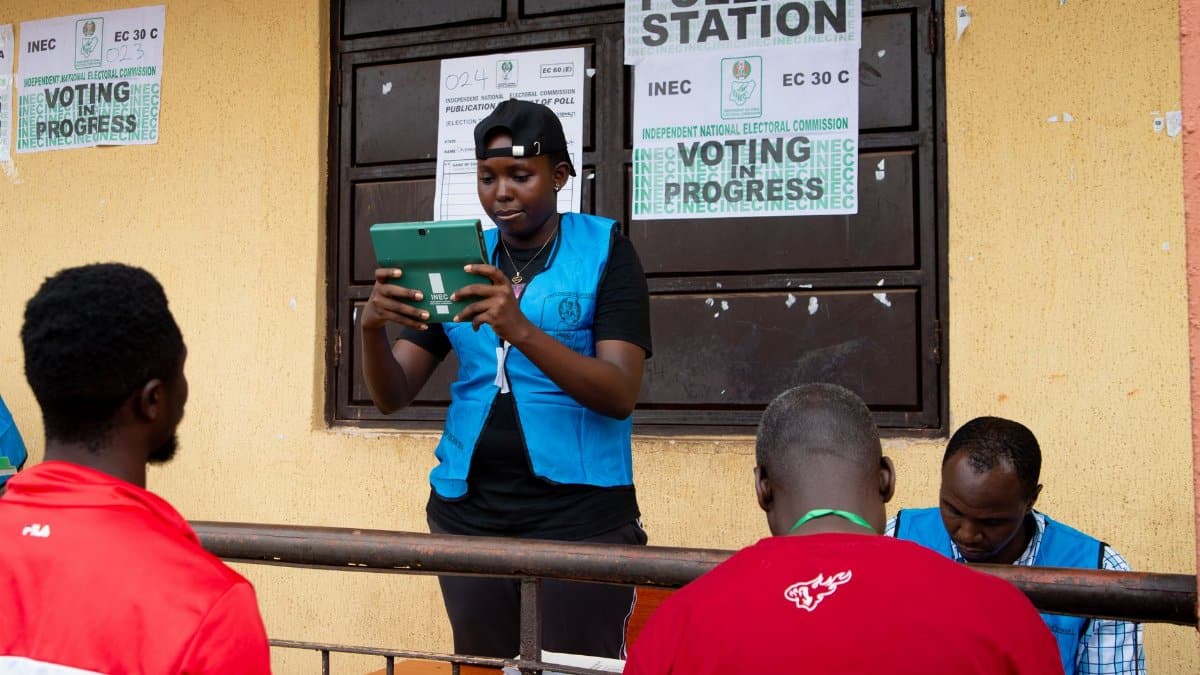
Residents will decide whether promised individual relief outweighs collective tradeoffs in essential services. Turnout in local elections often hinges on how clearly these connections are drawn. Community forums scheduled through the summer aim to give people time to weigh both sides before casting ballots.