

In the sun baked expanses of the Southwest water remains a resource under constant strain as technology needs expand rapidly. Arizona leaders face tough choices about how to balance growth with conservation and Gov. Katie Hobbs Data Centers Water Fees Arizona stands at the center of fresh policy ideas aimed at large scale users of the states limited supplies. The approach seeks to raise revenue while encouraging more careful management of a vital element for daily life and economic activity alike.
Expansion of Technology Facilities in Desert Regions
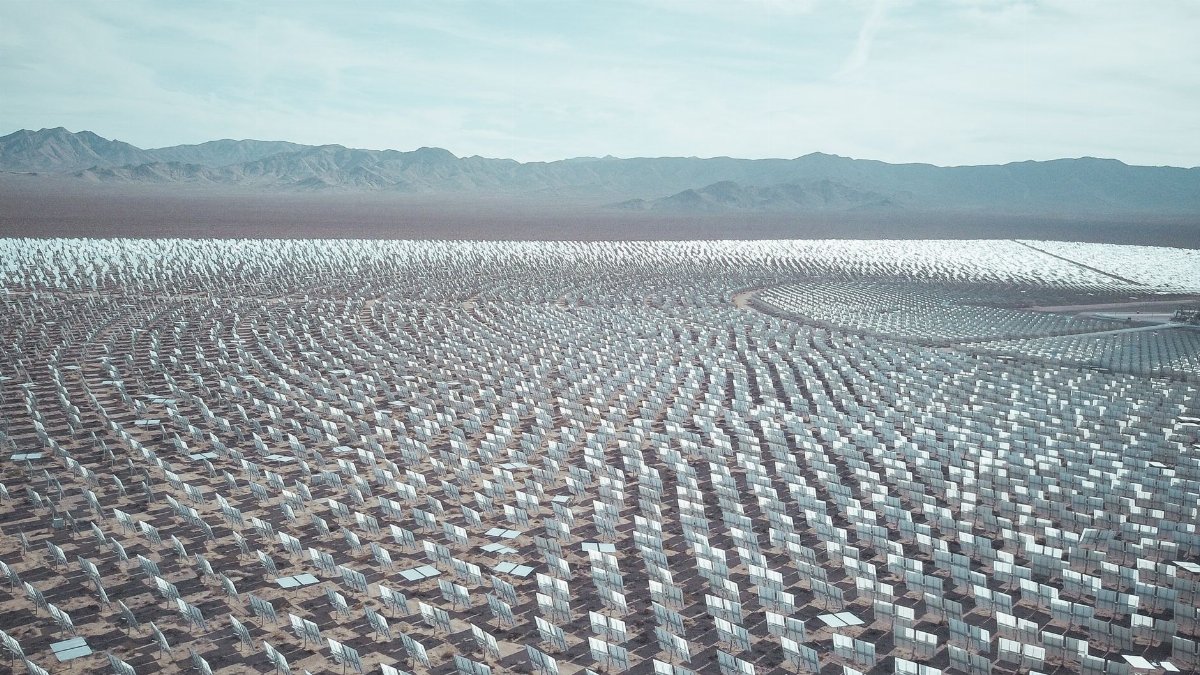
Data centers have multiplied across Arizona in recent years drawn by available land and power access. These operations require steady cooling systems that draw heavily from groundwater and municipal sources. Local officials note rising concerns among residents who see lawns turn brown and wells run lower during dry spells. The facilities support everything from cloud storage to artificial intelligence training yet their footprint on resources prompts questions about long term sustainability.
Policy Response from State Leadership

Gov. Katie Hobbs has outlined proposals that place new charges on high volume water users including the technology sector. The plan also touches short term rentals as another area for fees. Revenue would flow toward conservation projects and infrastructure upgrades in communities feeling the pinch. Supporters argue the measures reflect realistic accounting for costs that were previously overlooked.
Effects on Regional Water Supplies
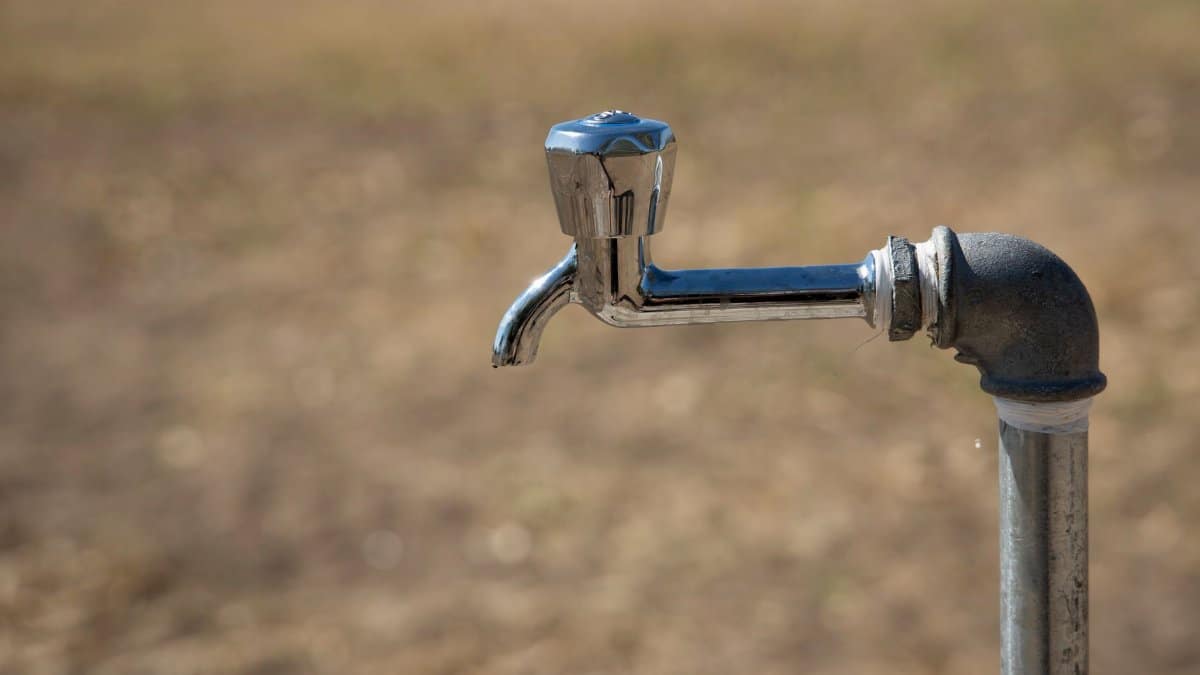
Rivers and aquifers already operate near capacity limits in many parts of the state. Additional withdrawals for cooling towers at data centers add measurable pressure during peak summer months. Studies from state agencies show consumption patterns that could strain delivery systems if left unchecked. Residents in suburban Phoenix report more frequent restrictions on outdoor use as supplies get allocated across competing needs.
Revenue Goals Tied to Upcoming Campaigns

The timing of these fee ideas aligns with preparations for the 2026 election cycle. Funds collected could support popular initiatives such as park improvements or drought relief programs. Political observers see the moves as an effort to demonstrate fiscal responsibility without broad tax increases. Critics from industry groups warn that added costs might slow investment and job creation in emerging tech corridors.
Industry Reactions and Adjustments

Companies operating data centers have begun exploring alternative cooling methods that rely less on fresh water. Some look to recycled supplies or advanced air systems though these require upfront capital. Trade associations emphasize the economic benefits their members bring including high paying positions and tax contributions. Negotiations with state regulators continue as details of the fee structure take shape.
Comparisons with Other States

Neighboring regions have adopted varied strategies for managing similar growth. Some impose usage caps while others offer incentives for efficiency upgrades. Arizona officials have studied these models to craft an approach suited to local conditions. The focus remains on fairness so that all large consumers share in the responsibility for protecting supplies.
Community Perspectives and Daily Realities

Families in affected areas describe changes in routines around water use. Farmers worry about allocations for crops and livestock. Town halls draw crowds eager to voice support or opposition to the new fees. Local leaders stress the need for transparent processes that involve public input before final rules take effect.
Future Outlook for Resource Management

Implementation of the fees will likely unfold over several budget cycles with monitoring to assess results. Success depends on cooperation between government agencies and private operators. Broader conversations about growth limits and conservation habits continue among voters who will decide the direction of state policy in coming elections.