
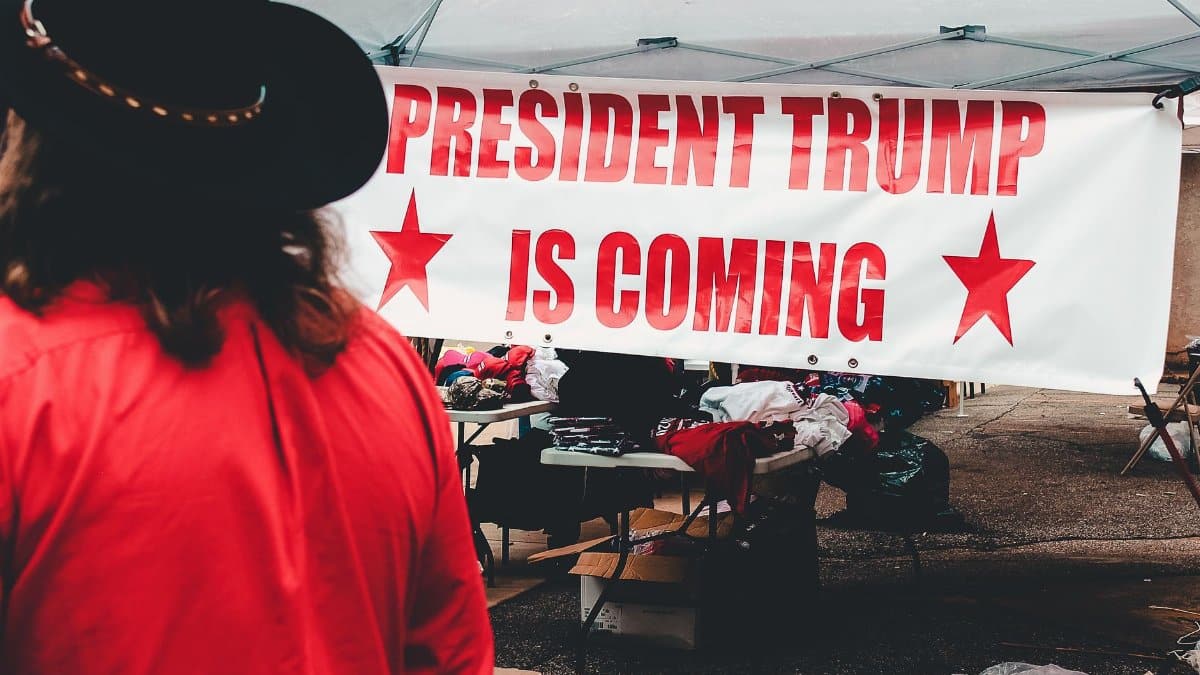
In recent months the bustling industries of South Florida have faced an unexpected challenge from shifting federal approaches to immigration. Many workers who arrived seeking protection now find their employment in jeopardy due to evolving regulations. This development, centered around Trump Asylum Policy South Florida Jobs, threatens to remove a significant portion of the labor force from key sectors that have long depended on their contributions.
The Scale of Potential Job Losses
Recent estimates point to nearly three hundred thousand roles at stake in the greater Miami region alone. These positions span construction sites, hotel kitchens and agricultural fields where asylum seekers have filled persistent labor shortages. Local employers describe a sudden wave of uncertainty as federal guidelines tighten around work authorizations.
Effects on the Hospitality Sector

Hotels and restaurants in Miami Beach and Fort Lauderdale rely heavily on these workers for daily operations. Managers report difficulties in finding replacements with comparable experience and reliability. Without swift adjustments the industry could see service disruptions during peak tourist seasons.
Challenges in Agriculture and Food Production
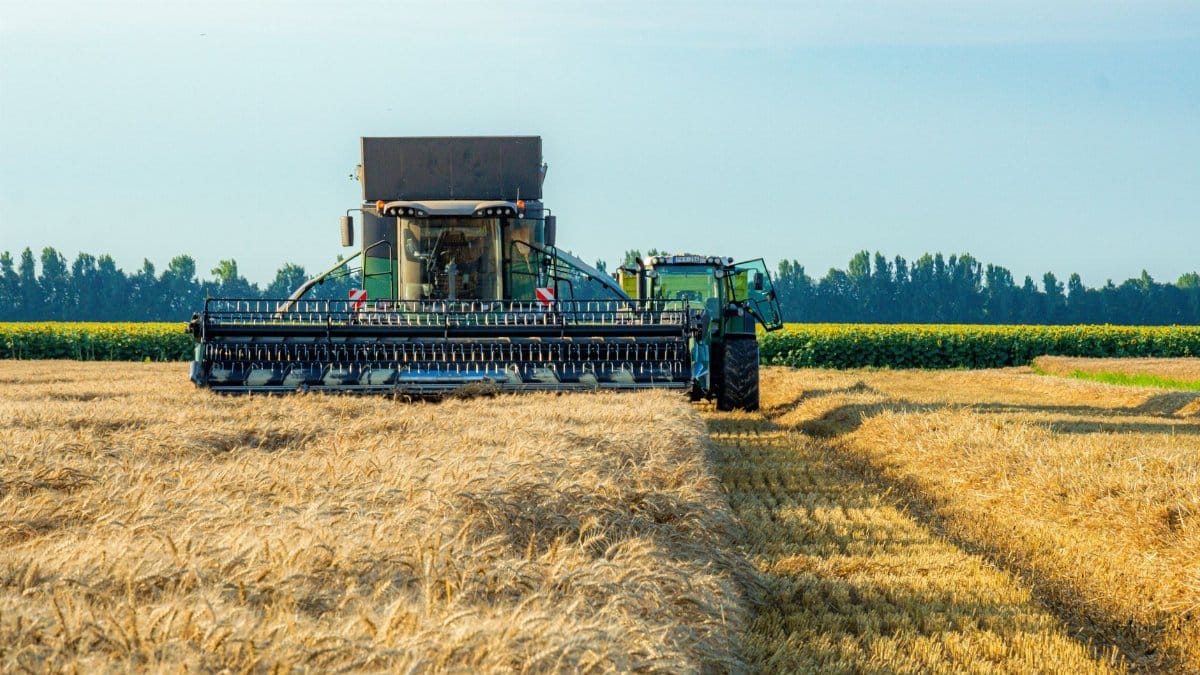
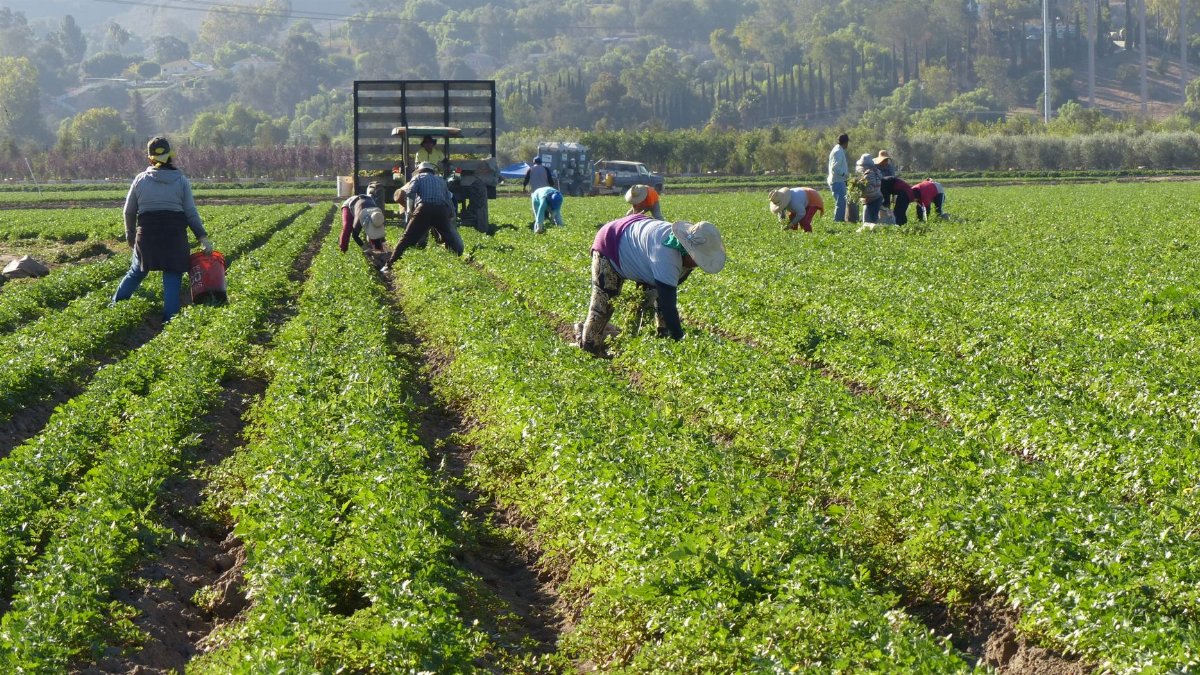
Farms in Homestead and surrounding rural zones depend on steady crews for harvesting and packing. Shifts in policy have already prompted some workers to reconsider their commitments leading to slower output and higher costs passed on to consumers. Growers warn of potential supply gaps for fresh produce.
Broader Economic Ripple Effects

Analysts from regional universities note that reduced participation in the workforce would affect tax revenues and consumer spending. Small businesses that cater to these communities might also contract as household incomes decline. The overall Miami economy which has benefited from population growth now confronts contraction risks.
Legal and Administrative Hurdles

Courts continue to review aspects of the updated asylum procedures with several cases pending that could alter implementation timelines. Advocates emphasize the need for clearer pathways that balance enforcement priorities with humanitarian obligations. Employers meanwhile seek guidance on compliance to avoid penalties.
Community Responses and Support Networks

Local organizations have expanded legal aid clinics and job training programs to help affected individuals navigate new requirements. Churches and nonprofits coordinate resources for families facing possible relocation. These efforts reflect a grassroots determination to preserve stability amid federal changes.
Comparisons With Prior Policy Shifts

Observers recall earlier periods when similar restrictions prompted rapid adjustments in hiring practices across the southeast. Lessons from those episodes suggest that proactive state level measures can mitigate some disruptions though success varies by industry and location.
Perspectives From Business Leaders

Executives in logistics and manufacturing stress the value of experienced staff who contribute to productivity and safety standards. They advocate for measured reforms that recognize labor market realities rather than abrupt cutoffs that leave vacancies unfilled.
Potential Outcomes for Workers and Families
Many asylum seekers have built lives in South Florida over several years with children enrolled in local schools. Uncertainty over job status adds stress to households already managing complex immigration processes. Some consider relocation to states with different regulatory environments.
Policy Recommendations From Experts

Economists propose targeted extensions for work permits in high need fields while maintaining overall enforcement goals. Such approaches could sustain economic activity without compromising border management objectives according to analyses from think tanks focused on labor issues.
Looking Ahead to Implementation

Federal agencies are expected to issue further clarifications in coming weeks that will shape how businesses and individuals adapt. Close monitoring of employment data will reveal the true extent of adjustments required under Trump Asylum Policy South Florida Jobs and related directives. Stakeholders across the region prepare contingency plans while hoping for balanced resolutions that support both security and prosperity.