

In the quiet suburbs outside Boston a woman named Elena Rivera sat in her kitchen one morning and realized the hardest part of her cancer experience was only beginning. Five years after her last chemotherapy session she still dealt with fatigue that arrived without warning and memory lapses that made simple errands feel overwhelming. Her story echoes across Massachusetts where thousands of people move through treatment only to discover that recovery brings its own set of demands. Hospitals and clinics now recognize that Massachusetts Cancer Survivors Support, Lingering Cancer Effects, New England Survivorship Care must address more than medical scans and medication schedules.
Recognizing Lasting Physical Changes

Many survivors report ongoing pain, reduced mobility, and digestive issues that doctors once viewed as temporary. In Massachusetts treatment centers clinicians now track these symptoms for years rather than months. Patients describe the surprise of realizing their bodies have new limits that affect work and family routines. Programs in Boston and Worcester teach gentle exercise plans tailored to individual histories so people regain strength without risking injury. Follow up visits focus on monitoring heart health and bone density because certain therapies raise risks in these areas long after the disease itself is gone.
Addressing Mental and Emotional Strain

Anxiety and depression often surface once the immediate crisis of diagnosis fades. Survivors in New England communities speak of feeling isolated when friends assume normal life has resumed. Support groups organized through local hospitals create space for honest conversations about fear of recurrence and grief over changed identities. Therapists trained in oncology integrate mindfulness techniques and cognitive approaches that help patients manage intrusive thoughts. These services form a core part of Massachusetts Cancer Survivors Support, Lingering Cancer Effects, New England Survivorship Care because emotional wellbeing influences physical healing.
Navigating Financial Pressures After Treatment

Bills for ongoing medications and specialist visits accumulate even when insurance covers the bulk of care. Many survivors reduce work hours or leave jobs entirely due to lingering cancer effects that limit stamina. Financial counselors at Massachusetts medical centers review benefit options and connect patients with assistance programs for transportation and housing costs. State legislation has begun to examine how to ease these burdens through extended coverage periods. Without such help families face difficult choices between health needs and basic living expenses.
Improving Coordination Among Care Teams

Primary doctors, oncologists, and rehabilitation specialists frequently operate in separate systems. New England Survivorship Care models now assign navigators who maintain a single record of all recommendations. This approach prevents conflicting advice and missed screenings. Patients appreciate having one point of contact who understands their full history rather than repeating details at every appointment. Pilot projects in Springfield show reduced emergency visits when communication improves across providers.
Supporting Return to Work and Daily Roles

Employers often lack guidance on how to accommodate employees recovering from cancer. Flexible schedules and remote options help yet many survivors hesitate to request them. Vocational counselors in Massachusetts hospitals role play conversations with supervisors and suggest documentation that clarifies medical needs. Success stories highlight workplaces that adjusted responsibilities gradually allowing steady reentry without overwhelming fatigue. These adjustments preserve both income and sense of purpose.
Expanding Access in Rural Areas

Residents outside major cities face longer drives for specialized follow up. Telehealth visits have narrowed some gaps yet not every service translates well to screens. Mobile clinics operated by New England medical networks bring physical therapy and counseling to smaller towns on scheduled rotations. Partnerships with community centers provide meeting space for support groups that would otherwise require travel. Such outreach ensures geography does not determine quality of ongoing care.
Learning From Survivor Feedback

Program designers increasingly invite former patients to shape offerings. Surveys reveal which services feel most useful and where gaps remain. Massachusetts Cancer Survivors Support, Lingering Cancer Effects, New England Survivorship Care initiatives adjust based on these insights rather than assumptions from medical staff alone. One adjustment involved adding evening sessions for working survivors after daytime groups showed low attendance. Continuous listening keeps resources relevant as needs evolve.
Training Health Professionals in Survivorship
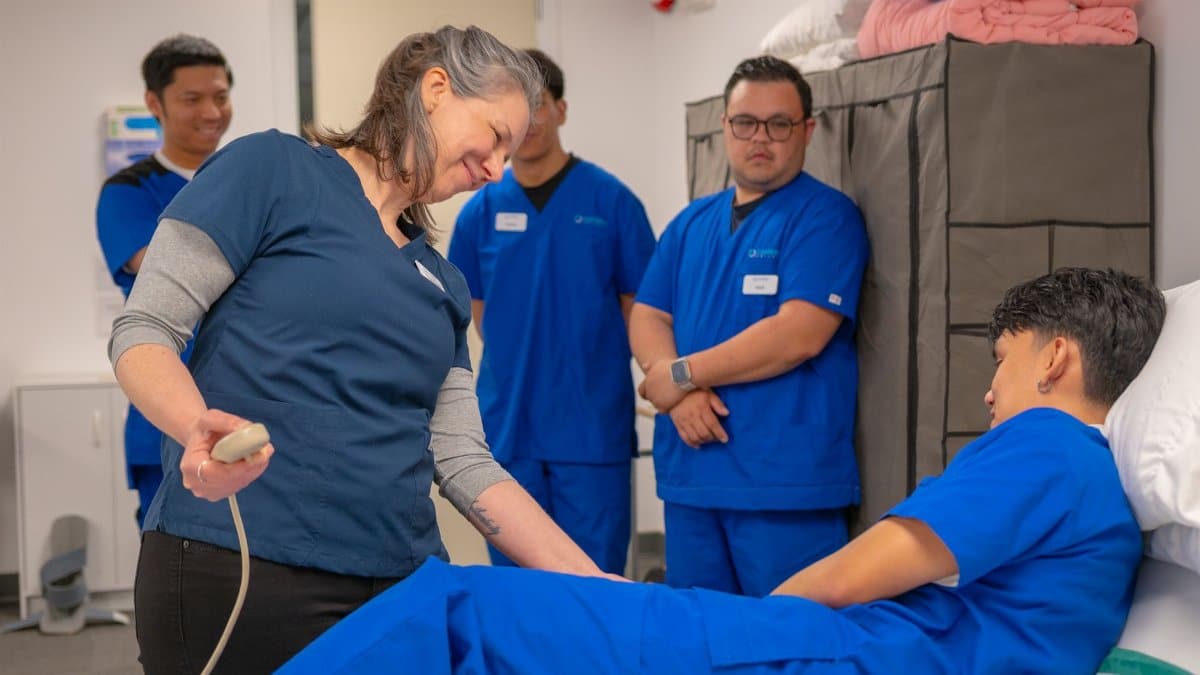
Medical schools and nursing programs now include dedicated modules on post treatment issues. Residents learn to ask about sleep patterns, sexual health, and cognitive changes that patients might not volunteer. In New England teaching hospitals simulation exercises prepare clinicians for sensitive discussions around body image and relationship strain. Better preparation leads to earlier recognition of problems that once went unaddressed for years.
Building Community Partnerships

Nonprofit organizations and faith groups extend the reach of hospital programs. They host educational evenings on nutrition after cancer and gentle yoga classes adapted for limited mobility. These partnerships reduce stigma by normalizing conversations in familiar settings. Massachusetts Cancer Survivors Support, Lingering Cancer Effects, New England Survivorship Care grows stronger when clinical expertise joins forces with local knowledge and trust.
Looking Ahead to Policy Changes

Advocates continue to push for insurance reforms that cover survivorship services without time limits. Data from Massachusetts pilot programs demonstrate cost savings when complications are caught early through coordinated care. Lawmakers review evidence from New England states that have expanded benefits showing improved quality of life scores among participants. Sustained attention at the policy level will determine whether current progress becomes standard practice.