

In the corridors of power on Beacon Hill, where legislative gridlock often stalls ambitious urban reforms, Boston Mayor Michelle Wu has chosen confrontation over compromise. Her recent backing of primary challengers against entrenched state senators marks a calculated escalation in Michelle Wu Massachusetts Senate Endorsements, Boston Mayor vs State Senate, Wu Political Strategy 2026 that could redefine alliances ahead of future election cycles.
Roots of the Rift Between City Hall and the Statehouse
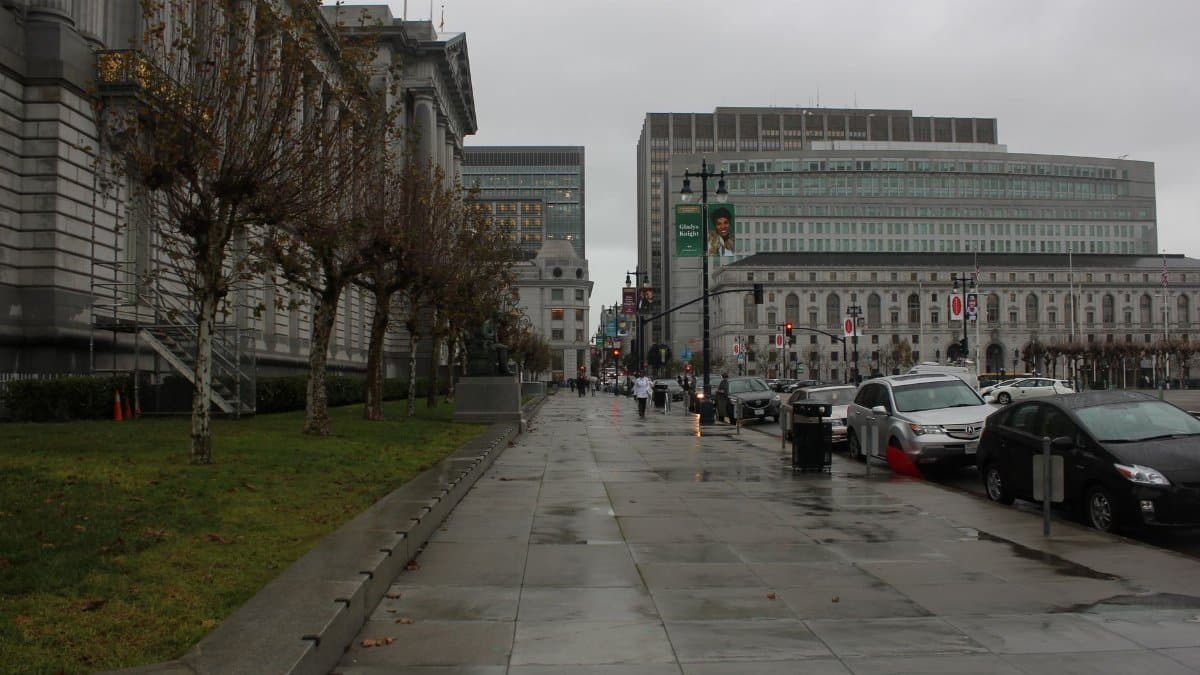
Wu has long advocated for policies on housing affordability and climate resilience that require state level cooperation. Senators from surrounding districts have resisted several of her signature proposals, citing concerns over local control and fiscal impacts. This friction has built steadily since her election as mayor, turning routine budget negotiations into prolonged standoffs.
Key Endorsements Targeting Specific Incumbents

Wu threw her support behind candidates challenging three senators whose votes blocked transit expansion funding. These endorsements came with public statements praising the newcomers for fresh perspectives on regional equity. Campaign events in affected districts drew crowds eager to hear how local voices might gain traction at the state level.
Strategic Timing Ahead of 2026 Contests

Observers note the mayor’s moves align with preparations for broader electoral battles. By intervening now, Wu positions herself as a kingmaker while testing voter appetite for change. The approach echoes past efforts by mayors who leveraged city influence to shape state delegations.
Reactions from Beacon Hill Leadership

Incumbent senators have dismissed the endorsements as overreach by a city executive. Some have pointed to their records of securing state resources for Boston projects. Leadership in the Senate has urged focus on shared priorities rather than intraparty contests.
Potential Shifts in Legislative Voting Blocs
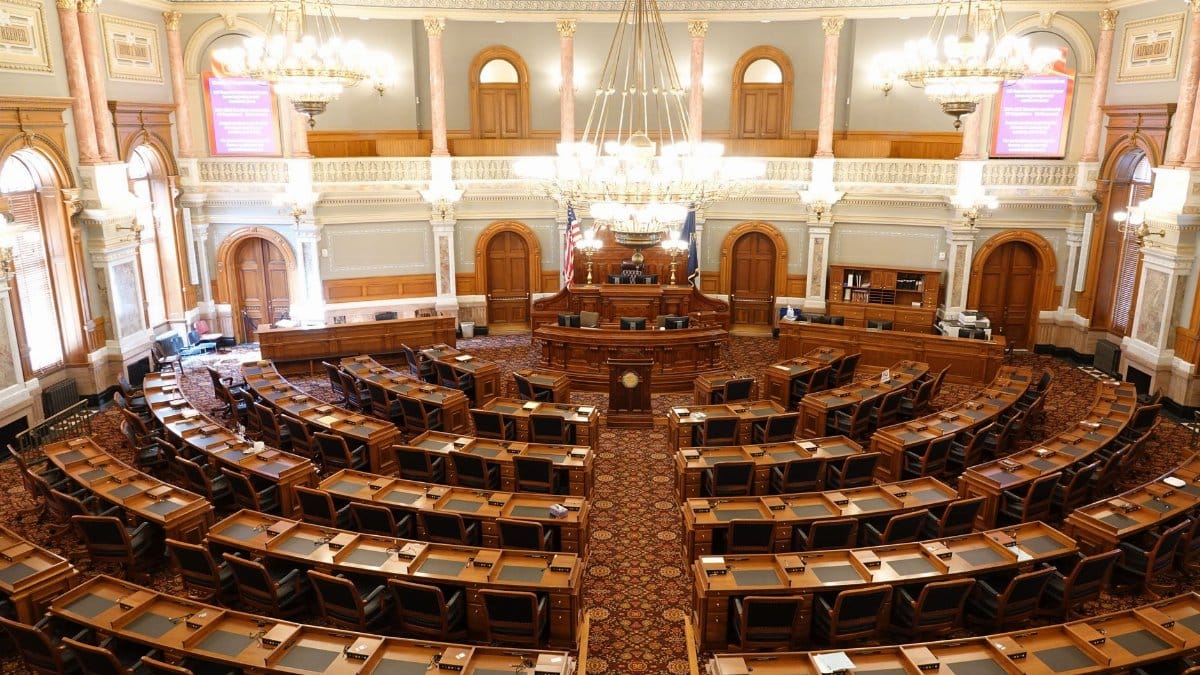
If challengers prevail, the balance on committees handling municipal aid could tilt toward greater Boston priorities. Analysts suggest even modest turnover might ease passage of home rule petitions that currently languish. Wu’s team has quietly mapped these arithmetic possibilities.
Public Response Across Massachusetts

Voter surveys indicate divided opinions, with urban residents more receptive than those in suburban and rural areas. Town halls hosted by endorsed candidates have highlighted frustrations over stalled infrastructure while acknowledging worries about increased state spending.
Comparisons to Past Mayoral Interventions
Previous Boston leaders occasionally backed legislative candidates but rarely with the coordinated public campaign Wu has mounted. Her use of social media and joint appearances sets a higher profile that amplifies both support and opposition.
Implications for Housing and Transit Agendas

Success in these primaries could accelerate Wu backed measures on zoning reform and bus network redesign. Failure might reinforce existing divides and force renewed negotiations with the same senators. Either outcome will shape the remainder of her mayoral term.
National Attention on Local Power Dynamics

Progressive groups outside Massachusetts have watched the developments closely, seeing parallels in other cities where executives seek greater leverage over state legislatures. Media coverage has extended beyond local outlets to national political journals tracking emerging strategies.
Challenges in Sustaining Momentum

Wu must balance these efforts against the daily demands of governing a major city. Resource allocation for campaigns competes with pressing issues like public safety and school budgets. Staff turnover at City Hall could further complicate coordination.
Looking Toward Future Coalition Building
Regardless of primary results, lasting progress will require some form of reconciliation with whoever holds Senate seats. Wu has signaled openness to dialogue once electoral contests conclude, suggesting the current phase represents tactical pressure rather than permanent rupture.