

In the quiet hum of mission control rooms across California technicians monitor a satellite that has quietly observed cosmic explosions for nearly two decades yet now drifts perilously close to a fiery end. Engineers describe the effort to reach it as both urgent and delicate with the NASA Swift Telescope Rescue Mission representing a rare attempt to extend the life of an observatory that has transformed understanding of the universe.
Origins of an Enduring Observatory
The Swift satellite launched in two thousand four with the goal of detecting gamma ray bursts from distant stars. Over the years it delivered data that helped scientists map black holes and trace the early moments of the universe. Its instruments remain functional even as its orbit decays.
Understanding the Current Orbital Challenge
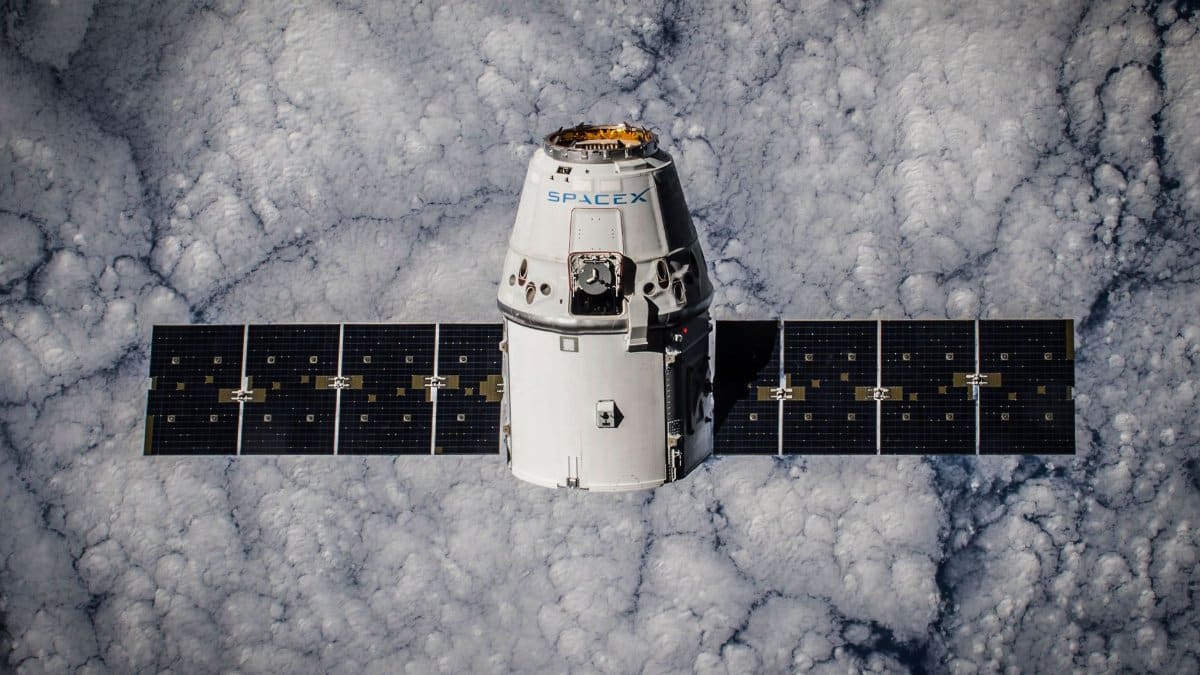
Atmospheric friction has gradually lowered the path of the satellite creating a timeline measured in months rather than years. Without intervention the craft would eventually burn up during reentry leaving researchers without a key tool for high energy astronomy.
Engineering a Robotic Intervention
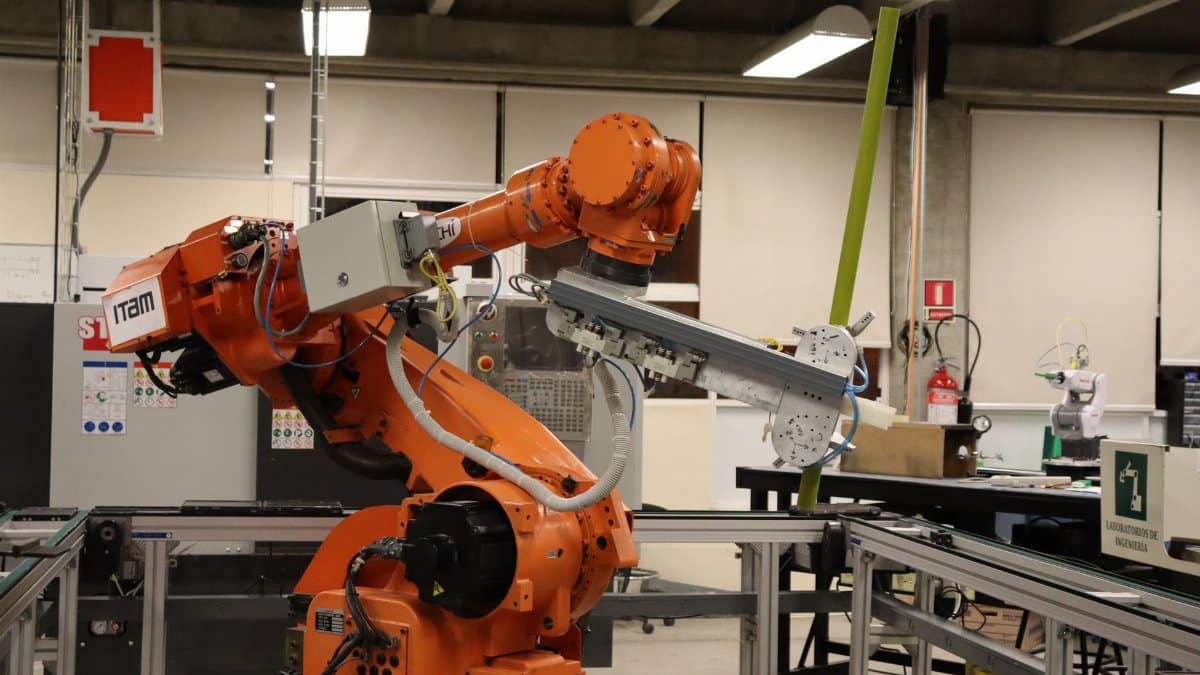
Teams at Katalyst Space along with NASA partners have designed a compact servicing vehicle capable of docking with the aging platform. The approach draws on prior robotic missions yet adapts to the specific size and systems of this observatory.
Role of California Based Teams
Facilities in the state provide the testing grounds for the new docking mechanisms and software updates. Engineers there simulate conditions of space to ensure the rescue craft can operate autonomously during critical phases.
Scientific Value at Stake

Swift continues to record events that ground based telescopes cannot capture. Losing the instrument would slow progress on studies of neutron stars and supernova remnants until a replacement reaches orbit.
Funding and Partnership Structure

Support comes from a combination of federal appropriations and private aerospace contributions. This mixed model reflects a broader shift in how complex space operations receive backing in recent years.
Technical Hurdles in Docking Procedures
Aligning the rescue vehicle with a tumbling target demands precise calculations of speed and rotation. Small errors could damage either craft so simulations run repeatedly to refine every sequence.
Comparison With Past Servicing Flights

Previous efforts focused on the Hubble observatory and required human crews aboard the space shuttle. The current plan relies entirely on automation reducing risk to astronauts while testing new capabilities.
Potential Outcomes if Rescue Succeeds

A successful attachment would allow engineers to raise the orbit and install updated components. The observatory could then resume observations for another decade or more extending its original mission far beyond expectations.
Broader Implications for Satellite Maintenance

Success here could influence future plans for other aging spacecraft. Agencies around the world watch the project as a demonstration of whether robotic repair becomes a standard practice rather than an exception.
Public Interest and Educational Reach

Schools and museums have incorporated updates on the mission into exhibits about space exploration. The story resonates because it shows both the fragility and the ingenuity involved in maintaining a presence beyond Earth.
Timeline for Launch and Execution

Preparations point toward a window in the coming year with rehearsals already underway at several sites. Each milestone brings the team closer to the moment when the rescue vehicle separates from its launch rocket.
Looking Ahead to Future Astronomy Needs
Even with this effort planners consider what instruments should follow Swift. The NASA Swift Telescope Rescue Mission serves as a bridge while discussions continue on the next generation of high energy observatories.