

Recent developments in state fiscal policy have brought fresh scrutiny to how Arizona Data Centers Short-Term Rentals Fees might shape local economies and resource allocation across growing communities. Lawmakers continue to weigh these measures as part of broader efforts to balance revenue needs with incentives for business expansion. The proposals reflect ongoing debates about infrastructure demands and housing availability in a state experiencing rapid population increases. Officials seek ways to fund essential services without placing undue pressure on residents or established industries. Discussions have highlighted the importance of measured approaches that support long term stability while addressing immediate budget priorities.
Current Budget Framework and Revenue Goals

State leaders have outlined an eighteen point three billion dollar spending plan that incorporates targeted fees to support public programs. These adjustments aim to offset tax reductions while maintaining investments in education and infrastructure projects. Analysts note that such strategies help manage growth pressures in key sectors without disrupting overall economic momentum. The framework emphasizes collaboration among legislative factions to finalize details before the new fiscal cycle begins.
Impact on Technology Infrastructure Expansion

Data centers represent a significant portion of recent industrial development in several Arizona regions. Proposed fees tied to Arizona Data Centers Short-Term Rentals Fees could generate resources for water management systems that these facilities require in large volumes. Industry representatives have expressed interest in predictable cost structures that allow continued investment in high capacity networks. Local planners continue to evaluate how these operations align with regional land use objectives.
Housing Market Pressures and Rental Policies

Short term rental properties have proliferated in popular destinations throughout the state contributing to concerns about residential availability for permanent occupants. The fee structure under consideration seeks to balance tourism benefits with neighborhood preservation efforts. Community advocates point to rising costs as motivation for clearer guidelines that protect long term housing stock. Policymakers review data on occupancy rates to inform equitable implementation steps.
Water Resource Management Considerations

Arizona faces persistent challenges in securing adequate supplies for both urban and agricultural needs amid variable climate patterns. Facilities subject to Arizona Data Centers Short-Term Rentals Fees often depend on substantial water volumes for cooling processes. Proposed allocations from fee revenues could support conservation initiatives and infrastructure upgrades. Experts emphasize integrated planning that accounts for future demand projections across multiple sectors.
Legislative Negotiations and Stakeholder Input
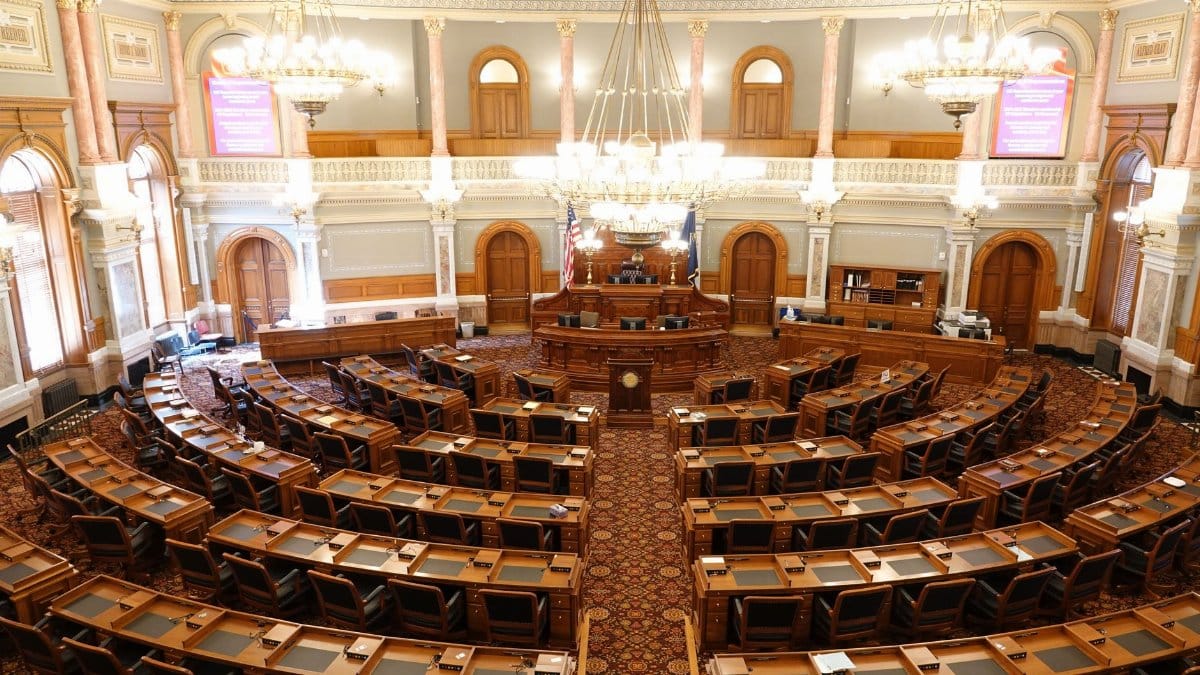
Governor Katie Hobbs has advanced these measures through discussions with budget committees representing diverse regional interests. Input from business groups and municipal officials has shaped revisions to the original fee schedules. The process reflects efforts to achieve consensus on revenue tools that sustain public services amid shifting economic conditions. Regular updates from the state capitol indicate steady progress toward final agreement.
Economic Benefits and Potential Drawbacks

Proponents argue that structured fees will provide stable funding streams while encouraging responsible development practices. Critics raise questions about competitive positioning relative to neighboring states with different regulatory environments. Balanced assessments consider both direct fiscal returns and indirect effects on employment opportunities in construction and technology fields. Ongoing modeling helps forecast outcomes under various growth scenarios.
Comparative Approaches in Other States

Other western states have implemented similar revenue mechanisms targeting large scale facilities and visitor accommodations. These examples offer insights into administrative efficiencies and compliance requirements that Arizona officials review closely. Adaptations account for unique geographic and demographic factors present within state borders. Such comparisons support informed decision making during final budget deliberations.
Future Outlook for Policy Implementation

Once enacted the measures associated with Arizona Data Centers Short-Term Rentals Fees will undergo periodic evaluation to assess effectiveness and adjust as needed. Monitoring frameworks will track revenue collection alongside indicators of sector health and community well being. This iterative approach allows for responsive governance that aligns with evolving priorities. Stakeholders anticipate continued dialogue as the policies take effect in coming years.