
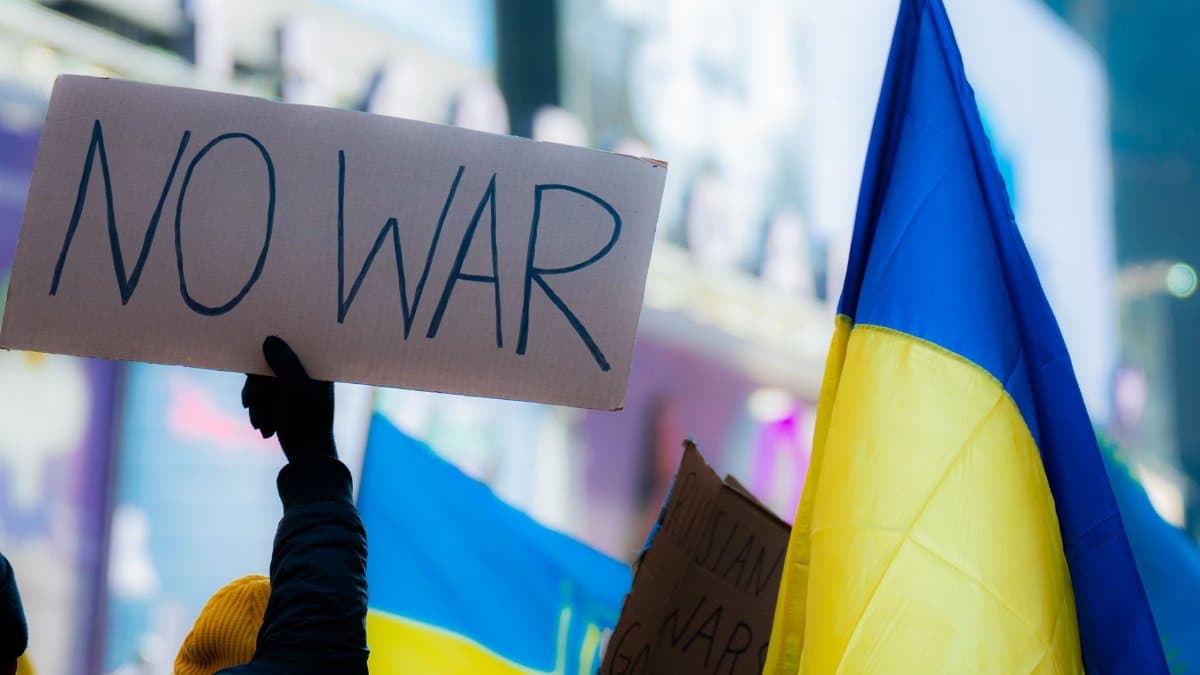
The recent military engagements and economic fallout mark a critical turning point in what analysts are calling the U.S. Iran Conflict 2026. Observers note that these events carry implications for global stability and domestic prices alike as households feel the strain from higher costs on everyday goods.
Background to Current Tensions

Over the past months tensions have built steadily between the two nations leading to direct confrontations in June. These actions represent an escalation from previous diplomatic efforts that failed to yield results. Regional powers watch closely while seeking to protect their own interests amid the uncertainty.
Details of the June Strikes

American forces targeted key sites inside Iran according to official statements released shortly after the operations. The moves came in response to perceived threats that officials described as imminent. Such steps shift the dynamic from indirect support for allies to direct involvement.
Effects on American Households

Families across the country notice rising prices at grocery stores and gas pumps as supply chains adjust to the new reality. Inflation data released in recent weeks shows acceleration tied in part to energy market disruptions. Policymakers face pressure to address these trends without worsening the situation abroad.
Global Economic Ripple Effects
Markets in Europe and Asia reacted with volatility as investors assessed the risks of wider disruption. Oil prices climbed in response to fears over shipping routes through the Strait of Hormuz. Central banks monitor developments for signs that further action may be required to stabilize currencies.
Regional Reactions from Neighbors

Countries bordering Iran issued statements urging restraint while bolstering their own defenses. Some expressed concern that prolonged conflict could spill over borders and affect refugee flows or trade. Diplomatic channels remain active though progress appears limited at present.
Historical Patterns in Such Conflicts

Past episodes between major powers and regional actors reveal recurring challenges in achieving lasting resolutions. Economic sanctions often precede military phases yet rarely resolve underlying disputes on their own. Lessons from earlier decades suggest that public support can waver when costs mount over time.
Inflation Trends and Data

Government reports indicate that consumer prices rose at the fastest pace in several quarters with energy and food categories leading the way. Analysts link part of this surge to the U.S. Iran Conflict 2026 and its impact on commodity flows. Forecasts suggest continued pressure through the end of the year absent a quick deescalation.
Policy Options Under Consideration

Lawmakers debate additional measures ranging from expanded sanctions to renewed talks facilitated by third parties. The administration emphasizes that all tools remain available while stressing the need for allied coordination. Public opinion polls show divided views on the best path forward.
Potential Paths Ahead

Scenarios range from a negotiated pause in hostilities to further rounds of confrontation depending on calculations in both capitals. Economic indicators will likely influence political decisions as voters respond to price changes. International institutions may play a larger role if bilateral efforts stall.
Longer Term Implications

Experts warn that extended involvement could reshape alliances and trade patterns for years to come. Energy independence efforts in the United States may gain renewed attention as a buffer against overseas shocks. The U.S. Iran Conflict 2026 thus serves as a reminder of how interconnected security and prosperity have become in the modern era.