
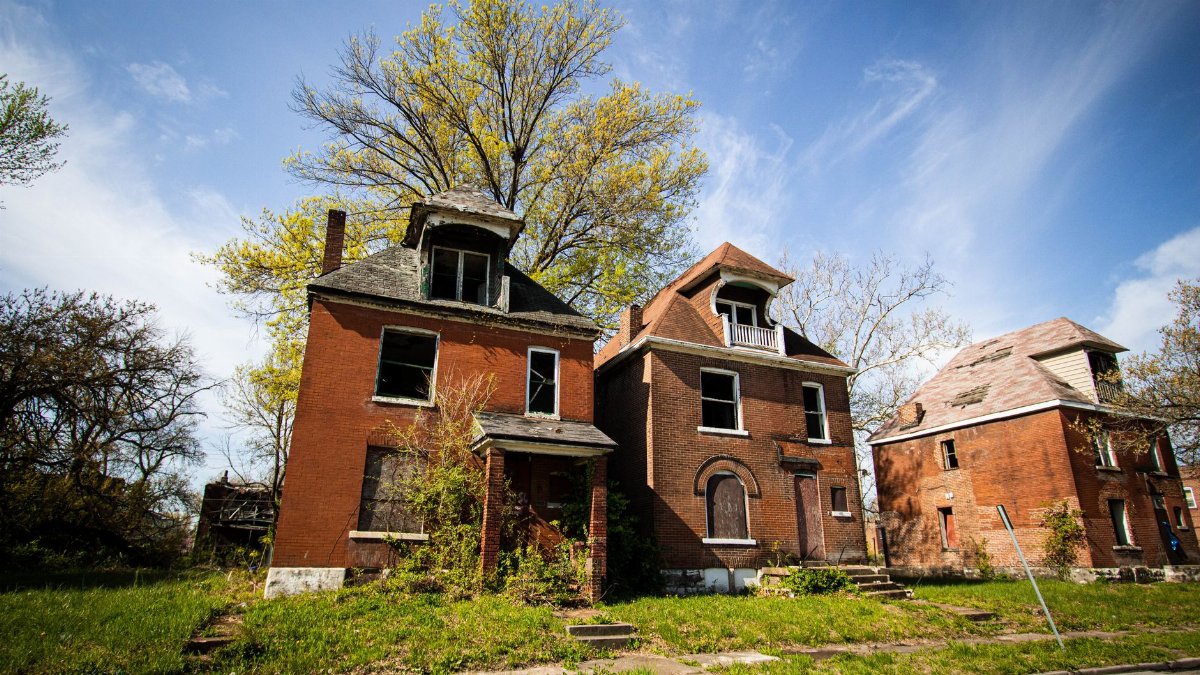
In the aftermath of a devastating tragedy that claimed the lives of an entire family an area in Baltimore began a slow but steady path toward renewal. The events of 2004 left deep scars yet they also ignited a collective determination to address the blight of empty buildings. Today Johnston Square Baltimore Vacant Houses Revitalization stands as a testament to what sustained community action can achieve as the number of vacant houses continues to drop noticeably.
Tragedy as a turning point
The loss of the Dawson family in a deliberate fire drew attention to conditions that had long plagued East Baltimore. Residents who had watched their streets decline found new resolve to confront the problem of abandoned properties. Local leaders began organizing meetings to discuss practical steps rather than waiting for outside intervention. This grassroots response laid the foundation for later progress in Johnston Square Baltimore Vacant Houses Revitalization.
Early organizing efforts

Neighbors formed block associations that focused first on safety and then on property conditions. They compiled lists of vacant structures and shared them with city agencies. Volunteers cleared debris from lots and planted gardens to signal that the area was not forgotten. These small actions built trust and showed that change was possible through consistent local involvement.
City policies and support
Baltimore officials introduced programs that made it easier for community groups to acquire empty homes. Funding streams were redirected toward demolition of the most dangerous buildings and toward renovation of others. Partnerships with local nonprofits helped streamline the process of returning properties to productive use. The result has been a measurable decline in vacancies across several blocks.
Resident perspectives on change

Longtime inhabitants describe a neighborhood that feels safer and more connected than it did two decades ago. One woman who raised her children here notes that fewer boarded up windows now greet her on morning walks. Another resident points to new families moving in as evidence that the area is regaining appeal. Such accounts illustrate the human side of Johnston Square Baltimore Vacant Houses Revitalization.
Challenges that remain

Despite visible gains some properties still sit empty because of tangled ownership records or lack of funds for repairs. Rising material costs have slowed certain renovation projects. Community leaders continue to press for additional resources while also exploring creative financing options such as land banks. These ongoing hurdles require patience and continued advocacy.
Role of local businesses

Small enterprises have opened along main corridors once dominated by vacant storefronts. A coffee shop and a corner market now serve residents who previously traveled elsewhere for basic needs. Business owners report that foot traffic has increased as the streetscape improves. Their presence adds economic vitality that supports further Johnston Square Baltimore Vacant Houses Revitalization.
Youth involvement and education
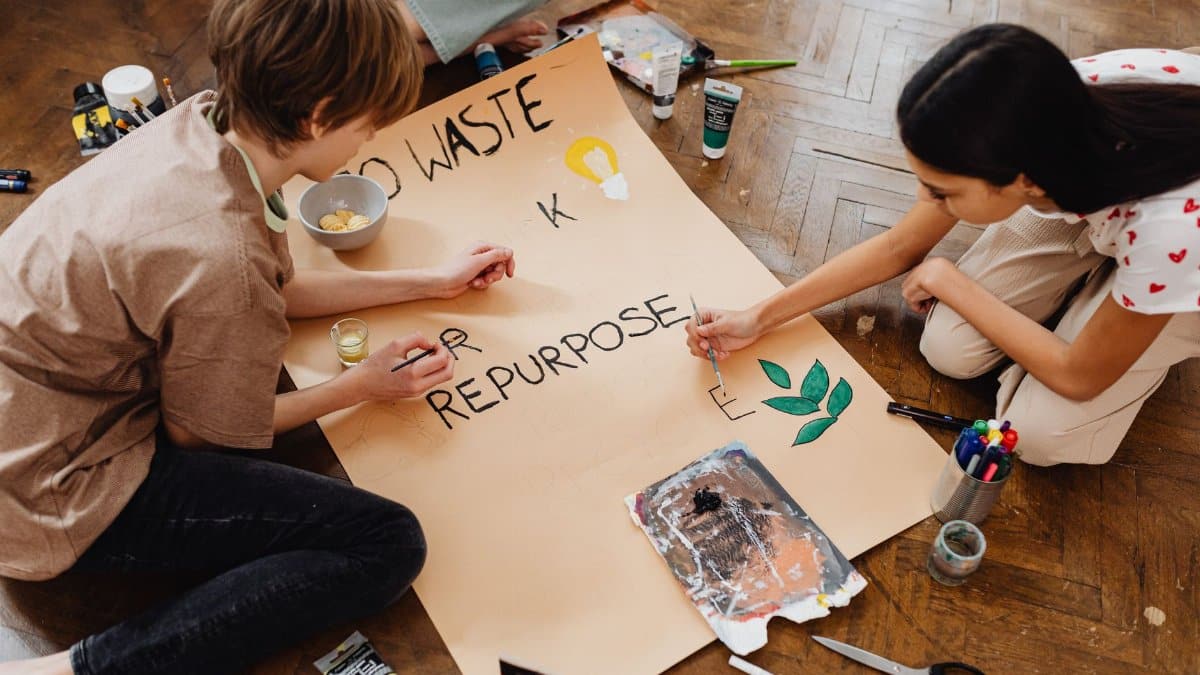
Schools in the vicinity have incorporated neighborhood history into lessons so students understand the stakes of community work. After school programs encourage young people to help with cleanups and garden projects. Several teenagers have gone on to internships with housing organizations. This transmission of knowledge helps ensure that revitalization efforts continue across generations.
Looking ahead

City data indicate that the pace of vacancy reduction has accelerated in recent years. Planners are studying which tactics proved most effective so they can be applied elsewhere. Residents remain cautious yet hopeful that the trajectory will hold. The story of Johnston Square Baltimore Vacant Houses Revitalization offers a model for other urban areas facing similar issues.