
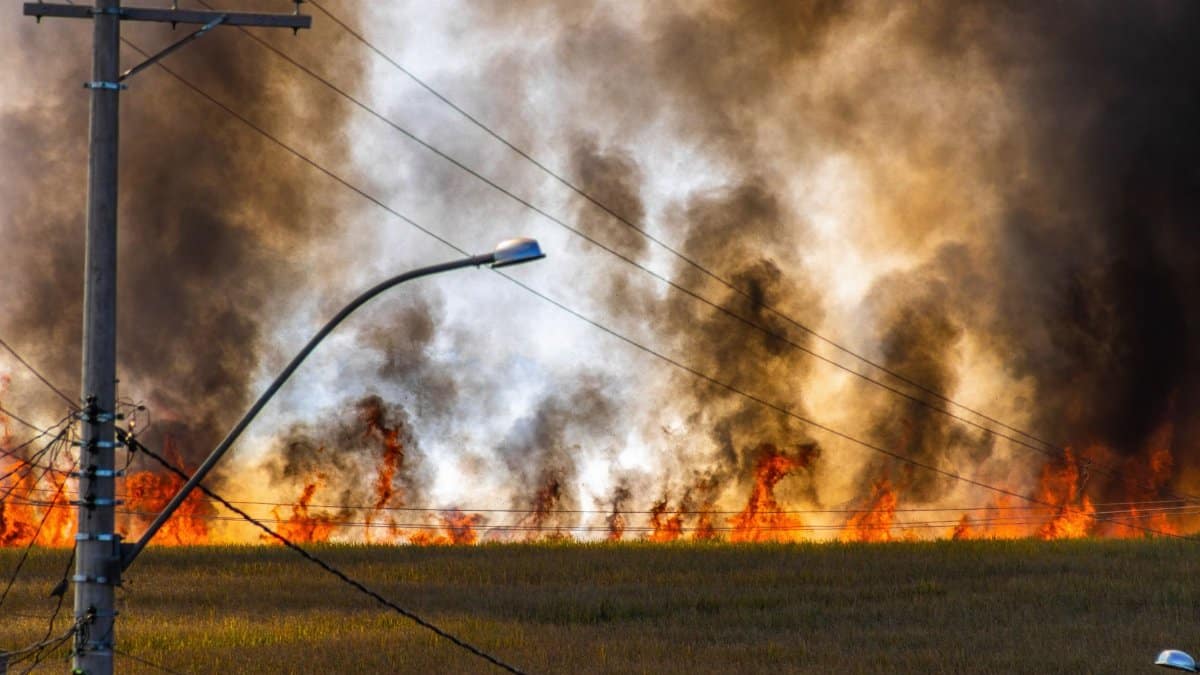
In the arid stretches of northern Arizona, where winds frequently stir up dry brush and scattered homes rely on distant power lines, officials have begun weighing the merits of cutting electricity during periods of elevated danger. Communities there understand that a single spark from equipment can quickly escalate into widespread destruction, prompting utilities to consider proactive steps. This situation brings Arizona Power Shutoffs Fire Risk into sharper relief as companies prepare protocols that could affect thousands during peak threat windows.
Weather Patterns Driving Current Concerns

Recent forecasts have pointed to extended stretches of low humidity combined with gusty conditions across several counties. These elements create an environment where vegetation becomes highly flammable and any ignition source poses immediate problems. Meteorologists tracking the trends note that such alignments have grown more common in the past decade, forcing energy providers to review their operational guidelines with greater frequency. Residents in remote zones often find themselves at the center of these assessments because transmission routes pass through terrain prone to rapid fire spread.
Utility Protocols for Monitoring Threats
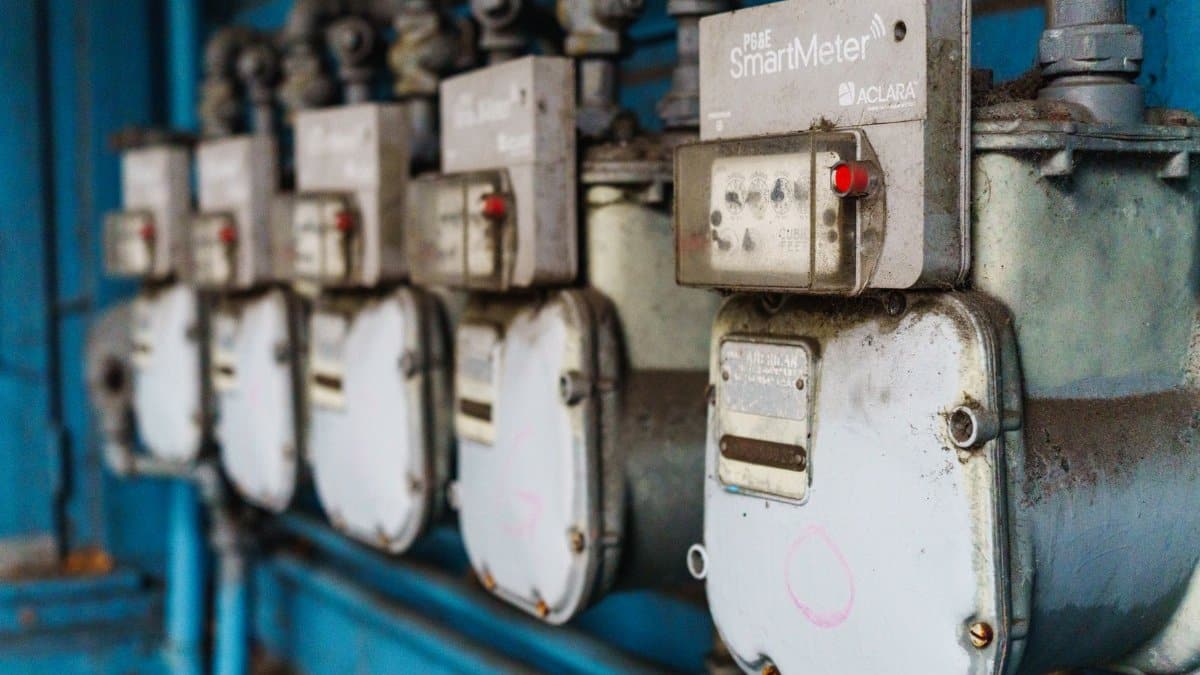
Companies maintain networks of sensors and field observers who evaluate real time data on wind speed, fuel moisture and temperature. When thresholds are crossed, teams convene to decide whether de energizing certain circuits offers the best protection against accidental starts. The process involves coordination with state forestry divisions and local fire departments to confirm that forecasts justify action. Such deliberations aim to limit disruption while addressing the core issue of Arizona Power Shutoffs Fire Risk in a measured way.
Effects on Households and Daily Routines

Temporary outages force families to adjust meal preparation, medical device use and temperature control inside homes. Those relying on well pumps or home businesses face added complications that can stretch into multiple days if conditions persist. Local governments typically open cooling centers and distribute information through radio and text alerts to keep people informed. The goal remains protecting lives and property even as inconvenience spreads through affected neighborhoods.
Lessons From Similar Measures Elsewhere

Other western states have implemented comparable programs during intense fire seasons, revealing both successes and areas needing refinement. Early notifications and clear communication channels helped reduce confusion, yet some rural customers reported feeling overlooked in planning stages. Arizona officials have studied these experiences to shape their own frameworks, seeking to avoid past pitfalls while adapting to unique terrain and population patterns.
Preparation Steps for Those Potentially Affected
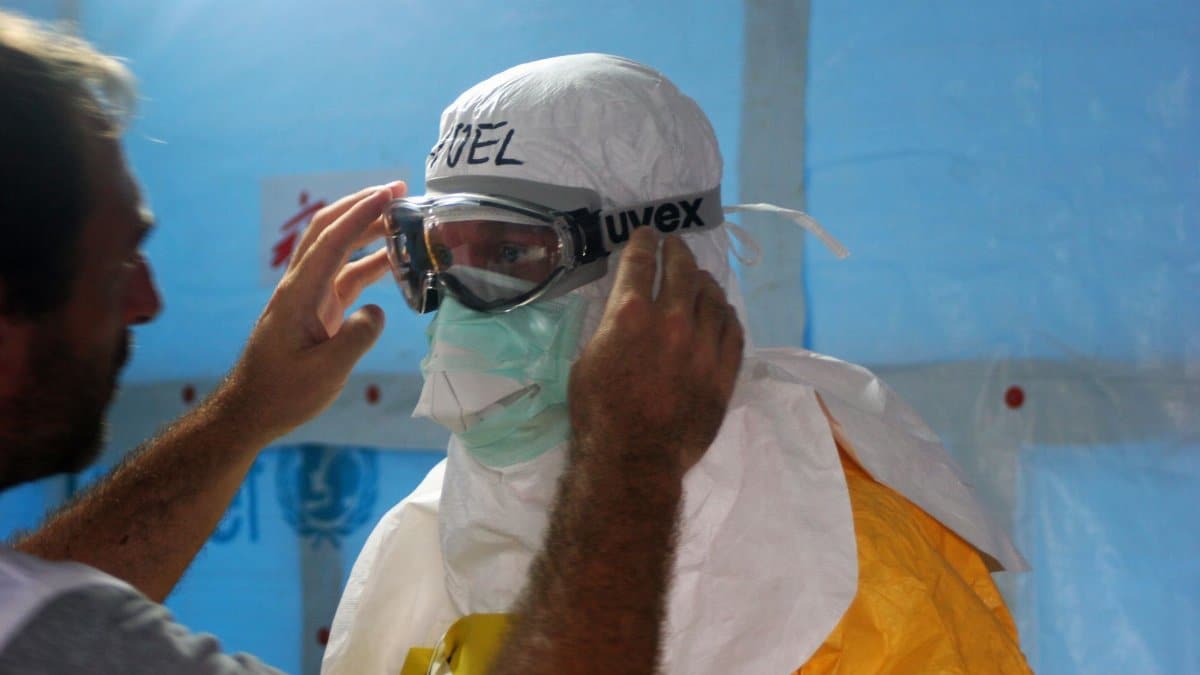
Authorities recommend assembling backup supplies such as flashlights, charged batteries and nonperishable food ahead of any announced interruptions. Neighbors are encouraged to check on elderly or mobility limited individuals who might need assistance relocating temporarily. Community workshops have begun offering guidance on generator safety and preserving refrigerated medications during extended shutoffs. These efforts seek to build resilience among populations most exposed to the consequences of Arizona Power Shutoffs Fire Risk.
Economic Pressures on Energy Providers
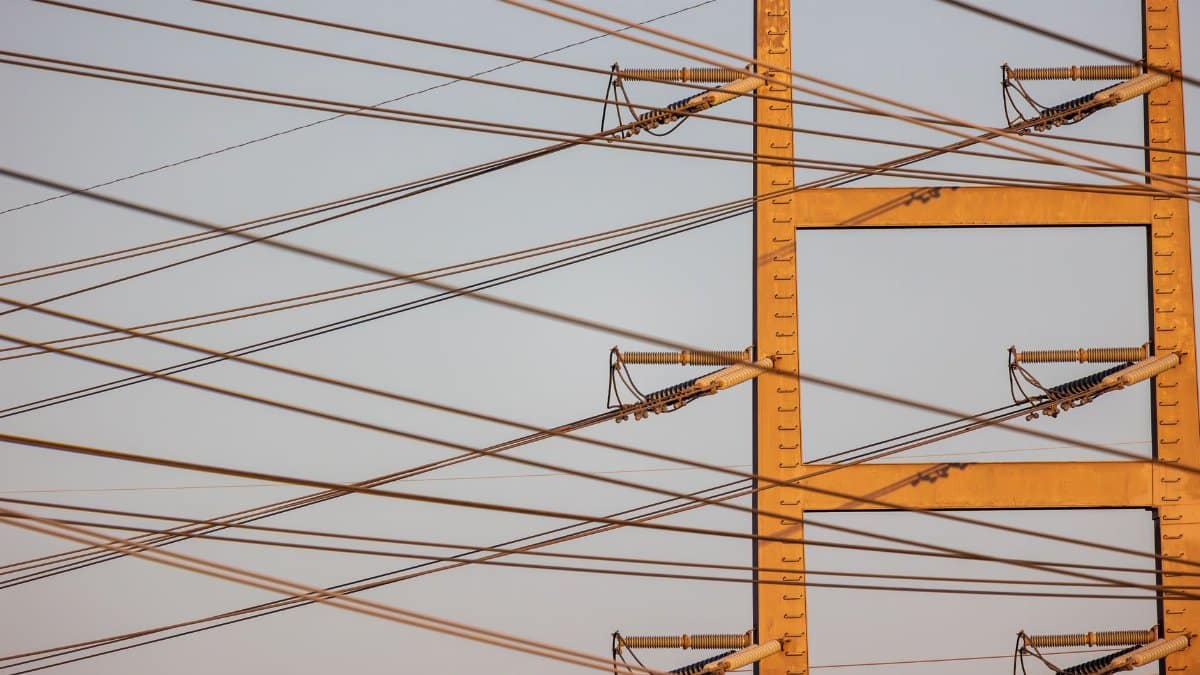
Implementing shutoffs requires investment in monitoring technology, staff training and public outreach campaigns. Utilities must also weigh liability questions that arise when power is removed from paying customers. Rate adjustments sometimes follow as companies recover costs tied to enhanced safety systems. Lawmakers continue to examine funding mechanisms that could support infrastructure upgrades without placing undue burdens on households already managing high living expenses.
Ecological Context Surrounding the Issue

Decades of fire suppression have left many forests with dense undergrowth that serves as ready fuel during dry spells. Combined with shifting climate trends, this buildup increases the likelihood that any infrastructure related spark could trigger larger blazes. Land managers advocate for controlled burns and vegetation thinning as complementary strategies that might reduce reliance on power shutoffs over time. Such integrated approaches recognize that electricity management alone cannot address every factor contributing to wildfire potential.
Looking Ahead at Policy Developments

State regulators are reviewing proposals that would formalize notification timelines and compensation options for customers impacted by shutoffs. Input from tribal nations, agricultural interests and environmental groups is being sought to ensure broad perspectives shape final rules. Continued refinement of predictive models may allow more precise targeting of at risk zones, potentially lowering the frequency of outages while still mitigating Arizona Power Shutoffs Fire Risk. Observers expect ongoing dialogue as experience accumulates and technology advances.