
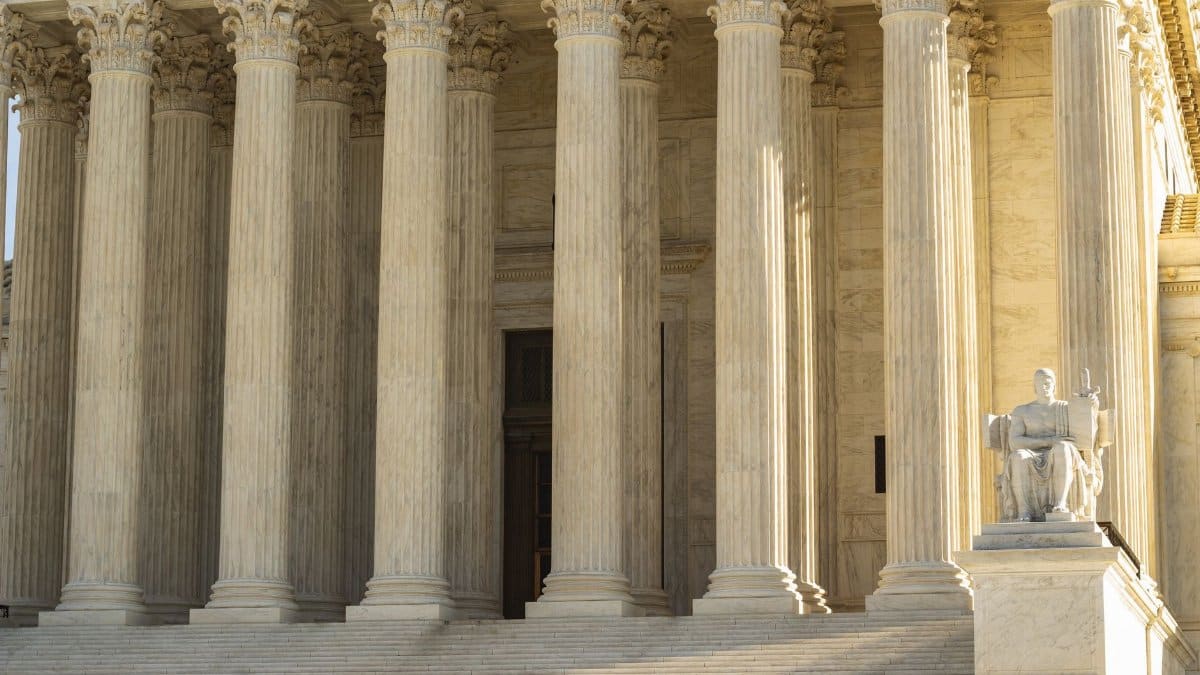
The sudden ruling from the nations highest court has cast a long shadow over immigrant communities already navigating uncertain futures. Families who built lives here under temporary protections now face an abrupt shift as the decision clears the way for ending status for hundreds of thousands from Haiti and Syria. In the case centered on TPS Termination Supreme Court the justices sided with the prior administrations move to end the program leaving recipients to weigh deportation against the prospect of returning to unstable homelands.
Background on Temporary Protections and Recent Legal Shifts

Temporary Protected Status emerged decades ago as a humanitarian tool to shield nationals from countries in crisis. Recipients from Haiti and Syria received extensions through multiple administrations based on ongoing violence and natural disasters. The recent court action marks a departure from that pattern by upholding termination orders issued years earlier. Legal observers note that the decision reinforces executive authority over immigration designations while limiting avenues for judicial review in similar disputes.
Effects on Haitian American Households Across Florida and Beyond

Many Haitian families in South Florida have spent years renewing their status and contributing to local economies through work in healthcare construction and small businesses. Termination means loss of work permits for some and renewed fears of removal proceedings. Community organizations report increased inquiries about voluntary departure options or asylum claims as alternatives. Children born in the United States now confront the possibility of separation from parents who lack other legal pathways.
Syrian Recipients and Lingering Security Concerns at Home

Syrian holders of the status often fled civil war and persecution only to build new routines in American cities. With conflict still simmering in parts of their origin country the termination raises questions about safe return. Advocacy groups highlight documented risks including arbitrary detention and economic collapse that could await those compelled to leave. Some recipients explore family based petitions or employment sponsorship as narrow alternatives.
Workplace Disruptions and Regional Labor Shortages

Industries that rely on steady immigrant labor anticipate gaps once permits expire. Agriculture hospitality and elder care sectors in states with large TPS populations may see staffing challenges. Employers who sponsored workers through the program now weigh retraining costs against potential delays in hiring replacements. Local chambers of commerce have begun tracking projected vacancies though precise figures remain elusive.
Political Reactions from Both Parties on Capitol Hill
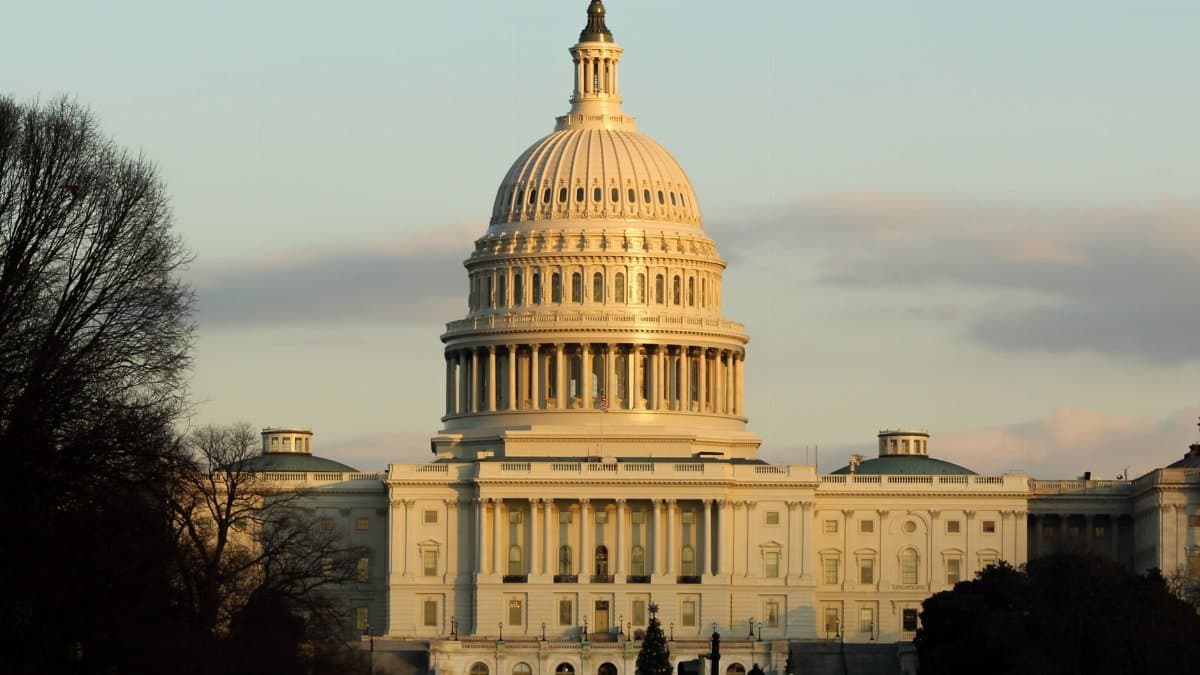
Lawmakers offered swift responses with some praising the ruling as a restoration of order while others called for legislative fixes to preserve protections. Bipartisan proposals to reform the TPS framework have surfaced in prior sessions yet none advanced to enactment. The decision may intensify debates over broader immigration overhaul during upcoming congressional sessions.
Humanitarian Organizations Mobilize Support Networks

Charities and legal aid clinics have expanded outreach to inform affected individuals of remaining options such as adjustment of status or humanitarian parole. Volunteers coordinate workshops on document preparation and rights during encounters with enforcement agents. Fundraising campaigns seek to cover attorney fees for those pursuing individual relief.
Moral Dimensions Viewed Through Faith Community Lenses

Religious leaders across denominations have framed the outcome as a test of national commitments to welcome and protection. Sermons and statements emphasize scriptural calls to care for strangers amid displacement. Interfaith coalitions plan vigils and letter writing efforts aimed at policymakers to highlight the human stories behind policy changes.
Potential Appeals and State Level Responses
Although the Supreme Court action appears conclusive some states explore supplemental protections through licensing or in state benefits. Attorneys general in several jurisdictions weigh amicus participation in related cases that could influence enforcement priorities. Lower courts may still address narrow challenges tied to notice requirements or country condition reviews.
Long Term Outlook for Mixed Status Families

The termination accelerates timelines for families already balancing school schedules medical needs and mortgage payments. Younger members who qualify for other relief such as deferred action programs may remain while parents confront harder choices. Community leaders stress the value of continued civic engagement to shape future policy directions.
Broader Implications for Similar Protection Programs

The precedent set here could affect designations for nationals from additional countries under review. Advocates caution that reduced judicial oversight might streamline future terminations. Policymakers on both sides acknowledge the need for clearer statutory guidelines to reduce litigation cycles that have marked the program since its inception.