
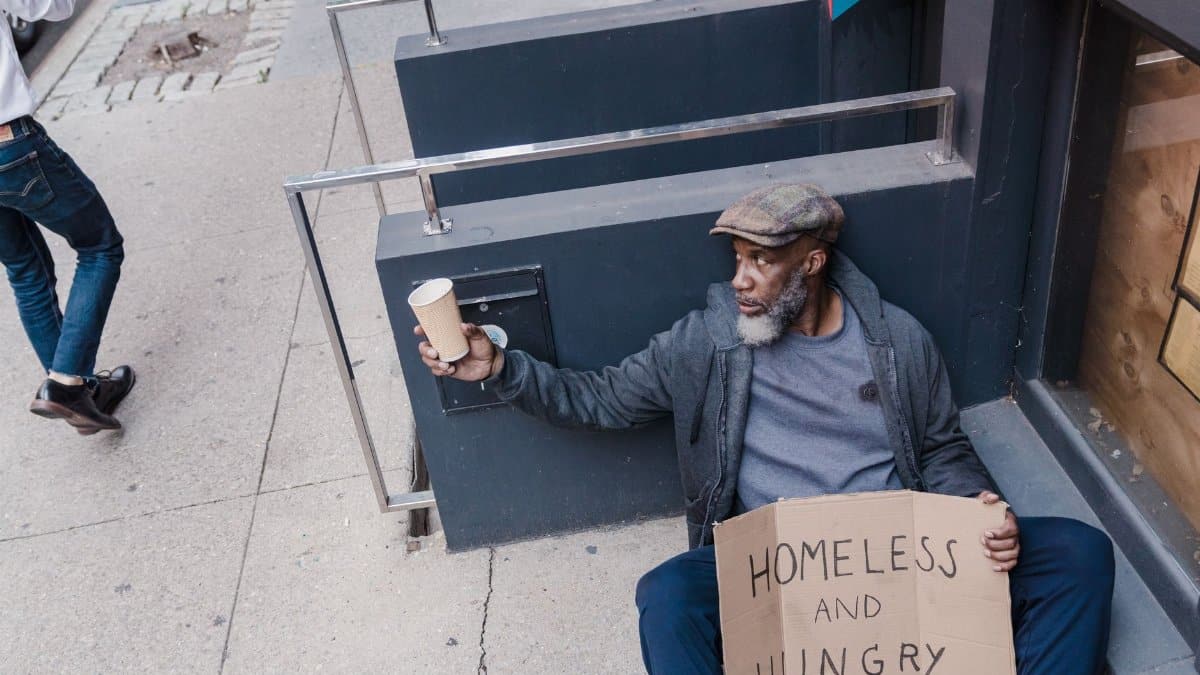
In the heart of San Francisco a housing complex once hailed as a beacon for those emerging from the streets now confronts a grim revelation. Reports indicate a man lay dead for days unnoticed amid the very place designed to offer safety and connection. This incident at the Jazzie Collins Apartments managed by HomeRise has prompted residents and advocates to question how isolation persists even in environments built with extensive support in mind. The event underscores deeper patterns of disconnection that can affect vulnerable populations despite structured living arrangements.
Context of the Housing Model

HomeRise developed the complex with an emphasis on permanent supportive housing. It aimed to blend formerly homeless individuals with services such as case management and health resources. Yet the circumstances surrounding the discovery reveal gaps that formal programs alone may not bridge. Residents describe a setting where daily interactions vary widely based on personal circumstances and mobility.
Daily Life Within the Complex

Many occupants follow routines centered on appointments and limited social opportunities. Some gather in common areas while others remain in their units for extended periods. Staff members conduct periodic checks but these visits often focus on administrative needs rather than extended conversations. The structure encourages independence which can leave those with fewer external ties feeling detached from the wider community.
Challenges in Oversight Practices

Regular wellness checks exist on paper yet their execution depends on available personnel and scheduling demands. When an individual withdraws from visible activity the response time can stretch longer than intended. In this case the lack of immediate notice allowed the situation to unfold over multiple days before intervention occurred. Such patterns point to the limits of relying primarily on scheduled protocols without supplementary informal networks.
Voices from Current Residents

Several tenants express a sense of caution when reaching out to neighbors. They note that past experiences on the streets foster habits of self reliance and wariness. One resident mentioned that doors often stay closed unless a specific need arises. This environment while providing physical shelter does not automatically restore the social bonds many lost during periods of instability.
Role of External Support Systems

Community organizations attempt to supplement on site services through volunteer visits and group activities. Participation rates fluctuate and some programs see declining attendance over time. Advocates argue that funding formulas prioritize unit counts over sustained human engagement. The result can be a facility that meets basic housing metrics while falling short on fostering ongoing relationships.
Broader Patterns in Urban Housing

Similar facilities across the region report comparable instances of delayed discovery. Data from local agencies shows that single adults in supportive housing sometimes experience prolonged periods without contact. These trends align with national observations about aging populations and health conditions that reduce mobility. The San Francisco case adds to discussions about how design choices influence social visibility.
Impact on Staff and Morale

Employees at HomeRise face high caseloads that limit the depth of individual attention. Turnover among case workers further disrupts continuity of care. Those who remain describe emotional strain when incidents like this surface. They emphasize the need for resources that allow more proactive outreach rather than reactive measures after an event.
Family and Community Connections

For some residents ties to relatives have frayed over years of hardship. Rebuilding these links requires dedicated effort beyond standard housing placement. Programs that facilitate family mediation exist but capacity remains constrained. Without such bridges individuals can slip further from collective awareness even in a shared building.
Policy Responses Under Consideration

City officials have called for reviews of check in procedures at supportive housing sites. Proposals include technology assisted alerts and increased peer support roles. Implementation timelines depend on budget allocations and coordination among agencies. Observers caution that structural changes must address root causes of withdrawal rather than symptoms alone.
Reflections on Human Dignity

The episode invites consideration of how society values presence and recognition for those on the margins. Housing provides a foundation yet the quality of daily existence involves more than walls and services. Stories such as this one remind observers that true stability encompasses being seen and acknowledged on a consistent basis.
Lessons for Future Developments
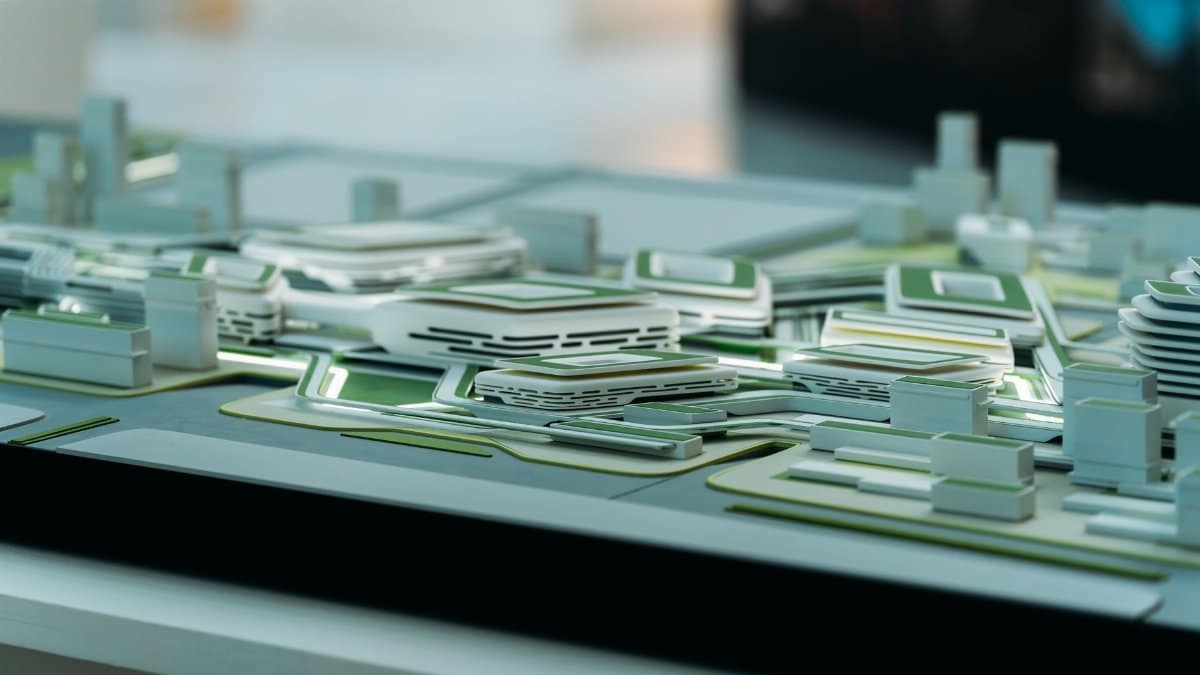
Architects and planners examine how physical layouts either encourage or discourage interaction. Features like wider hallways or shared gardens can create natural opportunities for encounter. At the same time privacy remains important for those who have experienced overcrowding in shelters. Balancing these elements presents ongoing design challenges.
Continued Advocacy Efforts
Groups focused on homelessness continue to push for holistic approaches that integrate mental health cultural competence and spiritual care. They highlight that recovery journeys differ and rigid models may overlook individual rhythms. Sustained public attention can help maintain pressure for meaningful adjustments in practice.
The phrase a man lay dead for days unnoticed surfaces again in conversations among those who knew the individual only in passing. It serves as a stark marker of how proximity does not guarantee connection. Future outcomes will depend on whether systems adapt to prioritize relational aspects alongside structural ones.