

The sudden surge of anger after a tense work call can make any slight seem like an outright betrayal. In such moments people often treat their inner reactions as undeniable proof rather than passing signals. This pattern surfaces across daily life whenever stress rises and clarity fades. Exploring Emotional Regulation Facts vs Feelings helps separate raw sensation from verifiable events and opens space for measured responses that serve long term wellbeing.
The Brain Pathways That Shape Immediate Reactions

Neuroscience shows how the amygdala can trigger intense alerts before the prefrontal cortex weighs evidence. That shortcut once protected early humans from danger yet now amplifies everyday conflicts. When an email arrives with unexpected criticism the body may flood with heat and tension. Those sensations feel conclusive yet rarely reflect the complete situation at hand.
Recognizing When Emotion Masquerades as Evidence

Many adults assume that strong feeling equals accurate assessment. A racing heart after an argument convinces someone their partner intends harm even when the words spoken carried no such threat. Pausing to list concrete observations rather than interpretations interrupts the cycle. This simple distinction forms the core of Emotional Regulation Facts vs Feelings and prevents minor friction from escalating into lasting resentment.
Workplace Pressures That Blur Internal Signals

Deadlines and performance reviews keep middle aged professionals in a near constant state of vigilance. Under such conditions a neutral question from a colleague lands like an accusation. Organizations that encourage brief breathing pauses before replying report fewer misunderstandings. Employees learn to treat bodily alarms as data points instead of verdicts.
Family Interactions and Inherited Response Patterns

Parents often replay tones and phrases absorbed in childhood. A teenager rolling eyes may revive memories of disrespect that echo across decades. Those echoes carry emotional weight yet seldom match current intent. Naming the old story aloud allows adults to address the present moment rather than the past echo.
Media Consumption and Heightened Sensitivities

Constant streams of alarming headlines train the nervous system to expect threat. Scrolling through commentary sections after dinner leaves many readers convinced personal safety stands on the brink. Turning off notifications for set intervals restores proportion. Readers notice that world events remain serious without requiring immediate personal alarm.
Physical Habits That Support Clearer Judgment
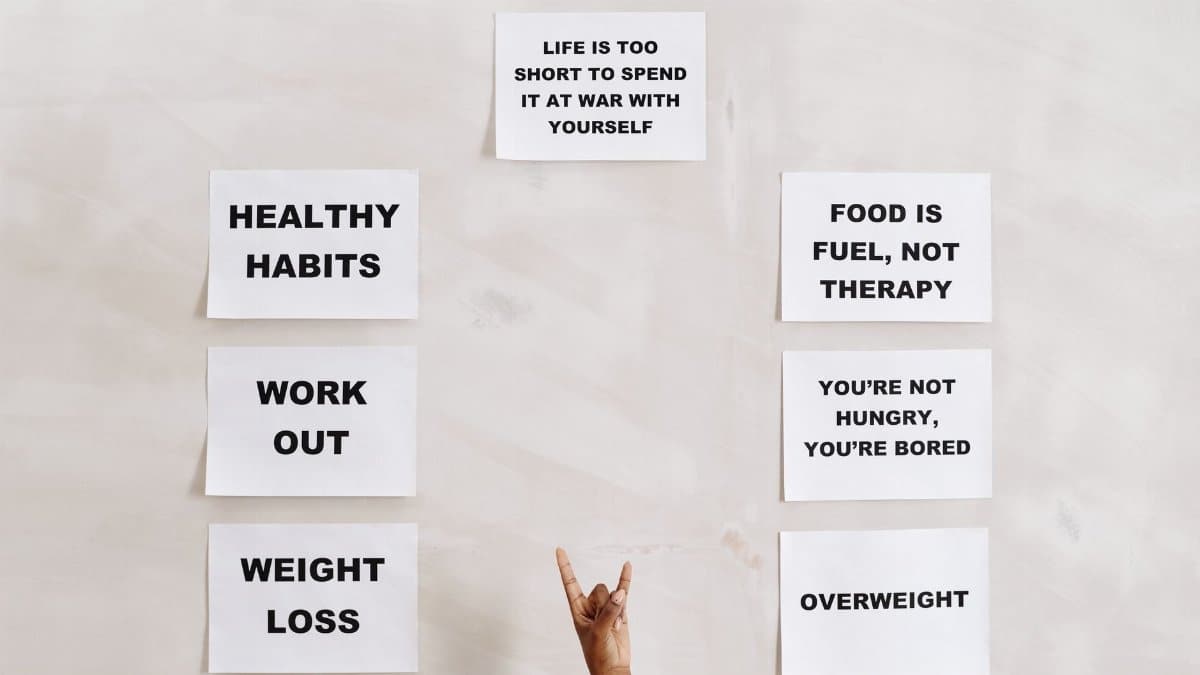
Regular movement outdoors lowers baseline arousal levels and widens the gap between stimulus and response. A midday walk provides distance from simmering frustration over an unresolved project. Sleep schedules that stay consistent further stabilize mood so minor setbacks lose their power to dominate perception. Nutrition choices rich in steady energy sources produce similar steadying effects.
Conversations That Invite Shared Perspective

Asking another person to describe what they observed rather than how they felt uncovers overlooked details. This practice moves discussion away from competing emotional claims toward agreed facts. Over time colleagues and partners adopt the same approach creating environments where Emotional Regulation Facts vs Feelings becomes a shared reference point instead of a private struggle.
Long Term Shifts After Consistent Practice

Individuals who track reactions for several months describe fewer impulsive messages and more deliberate decisions. Career trajectories improve when leaders respond to setbacks with curiosity instead of defense. Relationships gain resilience because small irritations no longer accumulate into major ruptures. The cumulative effect appears in lower reported anxiety during routine checkups.
Community Resources That Reinforce Skill Building

Local libraries and community centers increasingly host discussion groups focused on emotional awareness. Participants exchange strategies without clinical language creating accessible entry points for those wary of formal therapy. Online forums moderated by mental health professionals offer similar exchanges for readers in rural areas. These spaces normalize the ongoing work of distinguishing sensation from circumstance.