
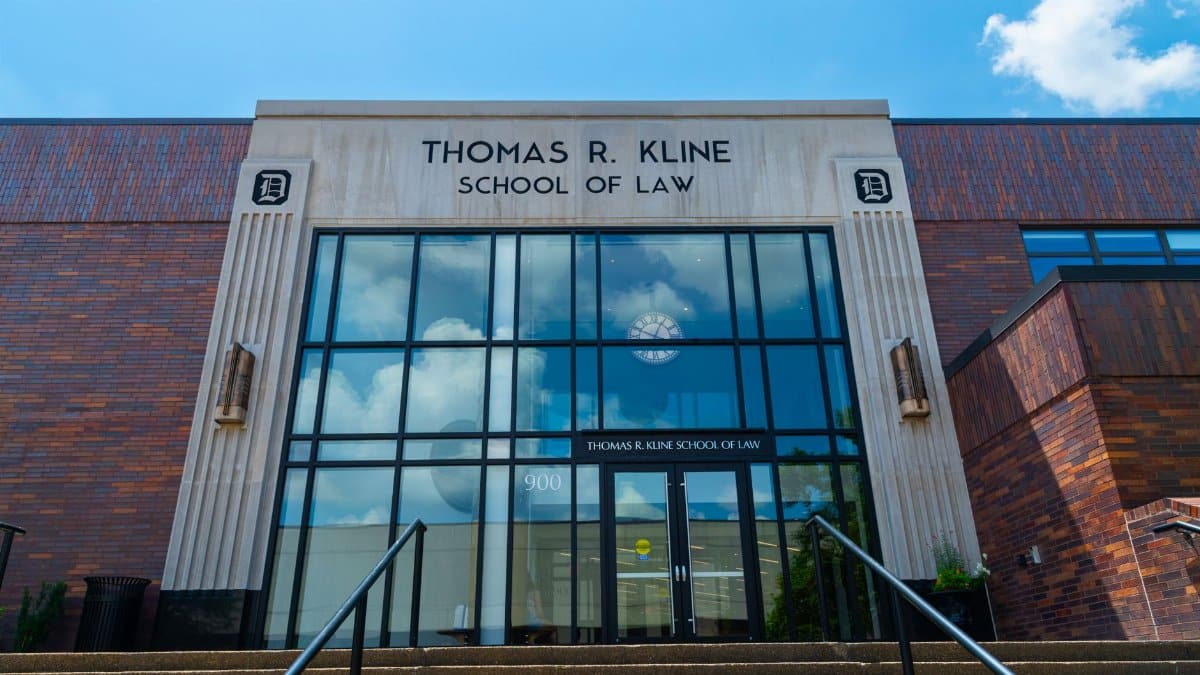
In the corridors of one of Chicago’s most selective public high schools a quiet shift is underway that speaks to larger questions about what subjects schools can afford to preserve. Walter Payton College Preparatory High School recently confirmed plans to scale back sections of its Latin program, a move driven by tightening budgets and smaller numbers of students choosing the language. Observers see the development as part of wider Chicago School Latin Cuts that are testing how districts balance tradition with practical demands.
School Profile and Academic Standing

Walter Payton has long ranked among the city’s top performers, drawing motivated students from across Chicago neighborhoods. Its curriculum once featured multiple levels of Latin that supported both language acquisition and connections to classical literature. Faculty members note that the subject helped build analytical skills valued in college applications and standardized testing.
Enrollment Patterns Behind the Reductions

Over the past several years sign ups for Latin classes declined steadily. Administrators point to competing electives in computer science and modern languages that attract larger groups. With fewer sections running the cost per student rose, prompting leaders to consolidate offerings rather than maintain a full sequence.
Budget Constraints and District Realities
Chicago Public Schools has faced persistent shortfalls tied to pension obligations and fluctuating state aid. At Walter Payton officials calculated that trimming Latin sections would free resources for required courses and support services. The calculation reflects fiscal caution rather than any judgment on the subject’s intrinsic value.
Reactions from Students and Families
Some current Latin students expressed disappointment, describing the language as a foundation for understanding English vocabulary and European history. Parents organized a small petition drive asking the district to explore external grants or partnerships with local universities. Others accepted the decision as a necessary adjustment in a period of limited funds.
Role of Latin in Classical Education Traditions
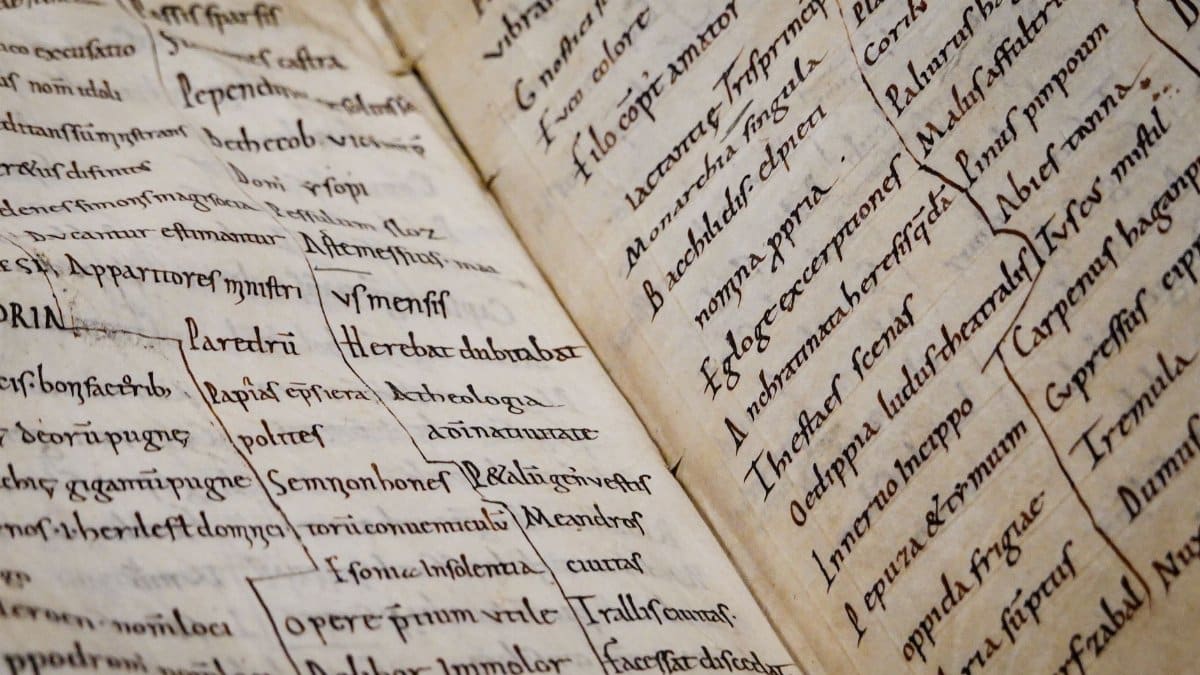
Latin has occupied a distinctive place in American high schools for generations, valued for training logical thinking and opening doors to ancient texts. At selective institutions the subject often signals academic rigor. Its partial withdrawal at Walter Payton raises questions about whether such markers of distinction remain feasible under current conditions.
Comparisons with Other Urban Districts

Similar adjustments have appeared in public high schools from Philadelphia to Los Angeles where administrators weigh low enrollment languages against rising demand for technology and career pathways. Chicago School Latin Cuts fit this national pattern of reallocating time and staff toward areas viewed as more immediately relevant to graduation requirements.
Possible Alternatives Explored by Administrators

School leaders considered after school clubs or online modules to preserve some exposure to Latin without full class periods. They also examined collaborations with nearby colleges that might allow advanced students to continue study off campus. None of these options proved simple to implement within existing staffing limits.
Impact on Faculty and Future Course Planning

Teachers whose schedules included Latin now face reassignment to other subjects or larger class sizes in remaining sections. Department chairs are rethinking how to integrate elements of classical culture into English or history courses so that interested students do not lose all contact with the material.
Broader Conversations About Curriculum Priorities

The episode at Walter Payton feeds ongoing debates about which forms of knowledge public schools should guarantee. Advocates for classical languages argue that exposure builds cultural literacy, while critics emphasize preparation for contemporary job markets. Both sides agree that transparent data on enrollment and costs help ground the discussion.
Looking Ahead for Language Offerings

District officials have indicated they will monitor registration numbers each spring and revisit the Latin schedule if interest rebounds. In the meantime the partial reductions stand as one concrete example of how Chicago School Latin Cuts are reshaping opportunities inside selective public high schools. Families weighing options for the coming year will find fewer Latin sections listed in the course catalog, a change that mirrors pressures felt across many urban systems.