
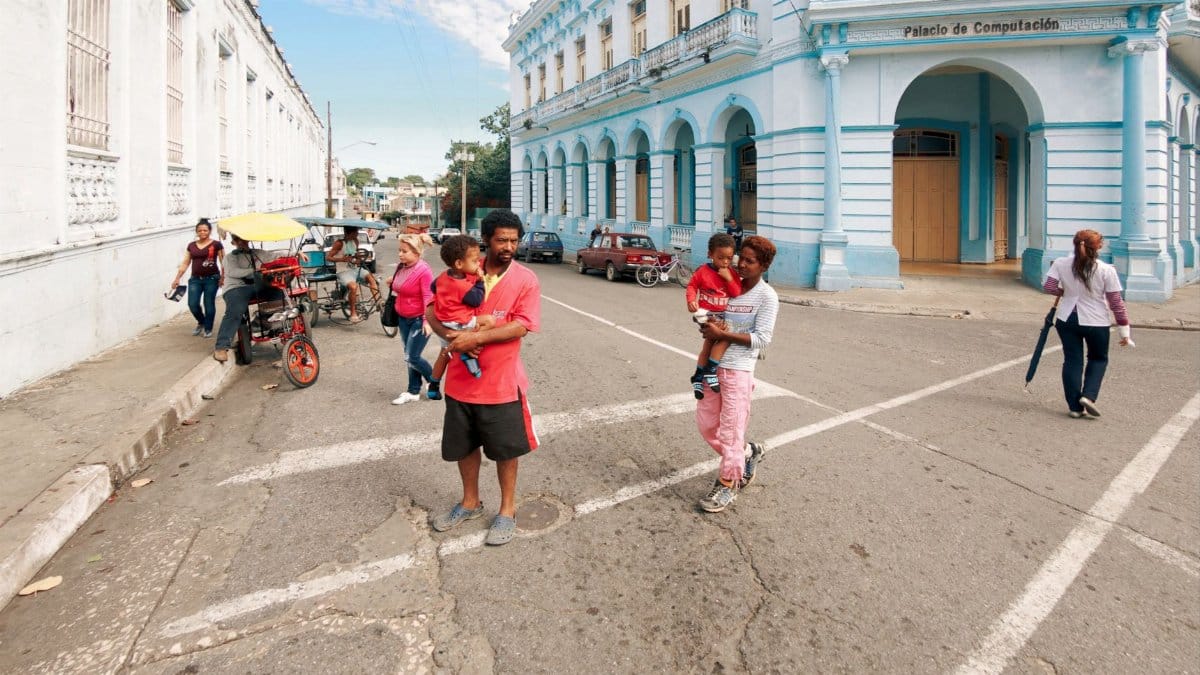
In the sunlit kitchens of West Tampa, relatives sort through boxes of rice, medicine and clothing while sharing stories of island kin who endure daily uncertainty. These gatherings reflect deep bonds that have endured for generations, turning private concern into collective response. As power failures stretch for hours and store shelves remain bare, the flow of Cuba Tampa Aid emerges as a steady thread connecting separated families across the Florida Straits.
The Roots of Cuban Presence in Tampa

Tampa has long hosted waves of Cuban migrants who arrived seeking work in the cigar trade and later built lasting neighborhoods. Their descendants maintain language, recipes and traditions that keep the island close in daily life. This heritage creates natural pathways for sending resources when official channels fall short.
Current Hardships Facing Cuban Citizens

Island residents report extended waits for fuel and basic foods while hospitals ration supplies. Many households rely on remittances and mailed parcels to fill gaps left by economic strain. These conditions have intensified calls for outside help from relatives abroad who recall similar past episodes.
Methods of Delivering Support Despite Restrictions

Families coordinate through licensed shippers and occasional travelers who carry approved items. Small groups meet at community centers to weigh boxes and check customs rules before departure. Cuba Tampa Aid travels this way because larger shipments often face extra scrutiny at ports.
Stories from Families Engaged in the Effort

One Tampa mother described packing vitamins for her sister in Havana after learning the local pharmacy had closed. Another household tracked a parcel for weeks until it reached relatives in Santiago. Such accounts show how personal initiative fills voids created by distant policy decisions.
The Role of Local Organizations in Coordination

Churches and civic clubs in the area collect donations and arrange transport through trusted carriers. Volunteers log each contribution to ensure items match recipient needs and comply with regulations. These networks operate quietly yet reach hundreds of addresses each month.
Challenges Posed by International Policies

Trade limits require careful documentation for every package, raising costs and delays. Some items that seem ordinary at home become restricted once labeled for export. Organizers adapt by focusing on allowable goods such as nonperishable foods and over the counter remedies.
Broader Implications for Regional Relations

Continued private aid highlights gaps between official diplomacy and everyday needs. Observers note that people to people contact persists even when government talks stall. Over time these exchanges may shape future approaches to engagement between the two coasts.
Expressions of Hope and Resilience Among Recipients

Letters returned from Cuba often mention gratitude for items that restore a measure of normal routine. Recipients describe sharing parcels with neighbors, extending the reach of each shipment. This pattern turns individual packages into wider circles of mutual support.