

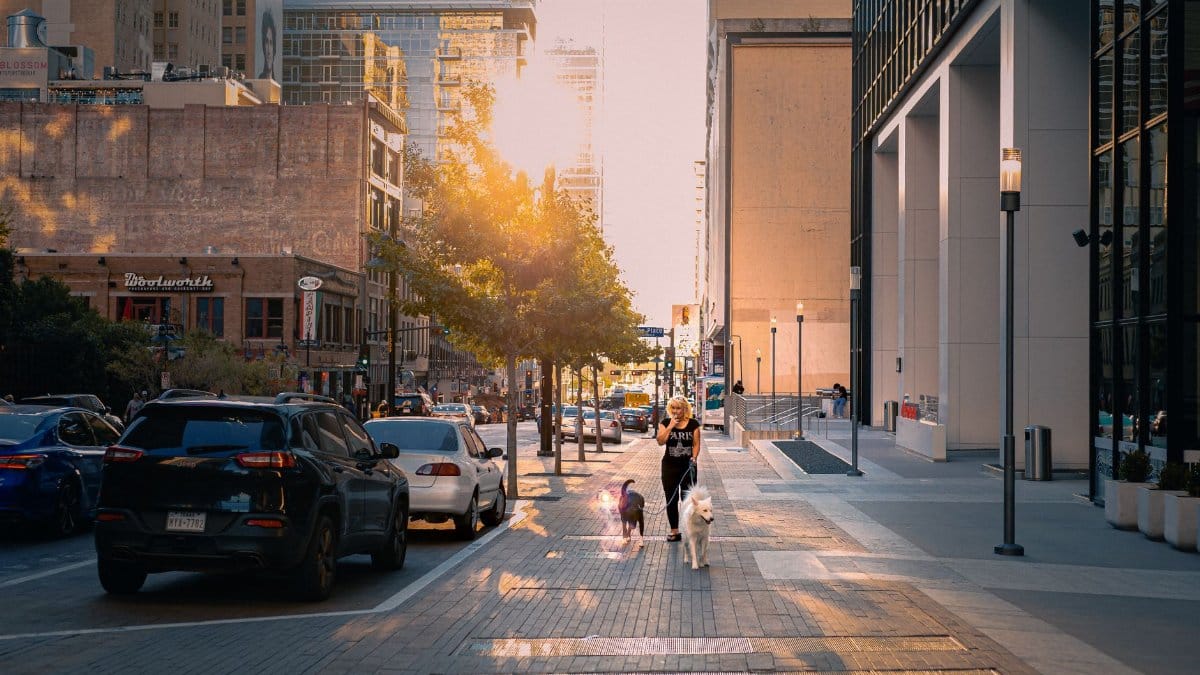
In neighborhoods across the city where fog rolls in each morning a particular type of canine has become impossible to ignore. These dogs with their curly coats and boundless energy seem to appear on every corner and in every park. Doodle Dogs San Francisco capture attention because they combine traits that appeal to busy professionals and families seeking both companionship and low shedding. Their presence reflects broader shifts in how residents view pet ownership as part of daily life and social connection. Observers note the animals often accompany owners to cafes and along waterfront paths creating a visible pattern of urban living that emphasizes outdoor activity and community interaction.
Mapping the Spread Across City Districts
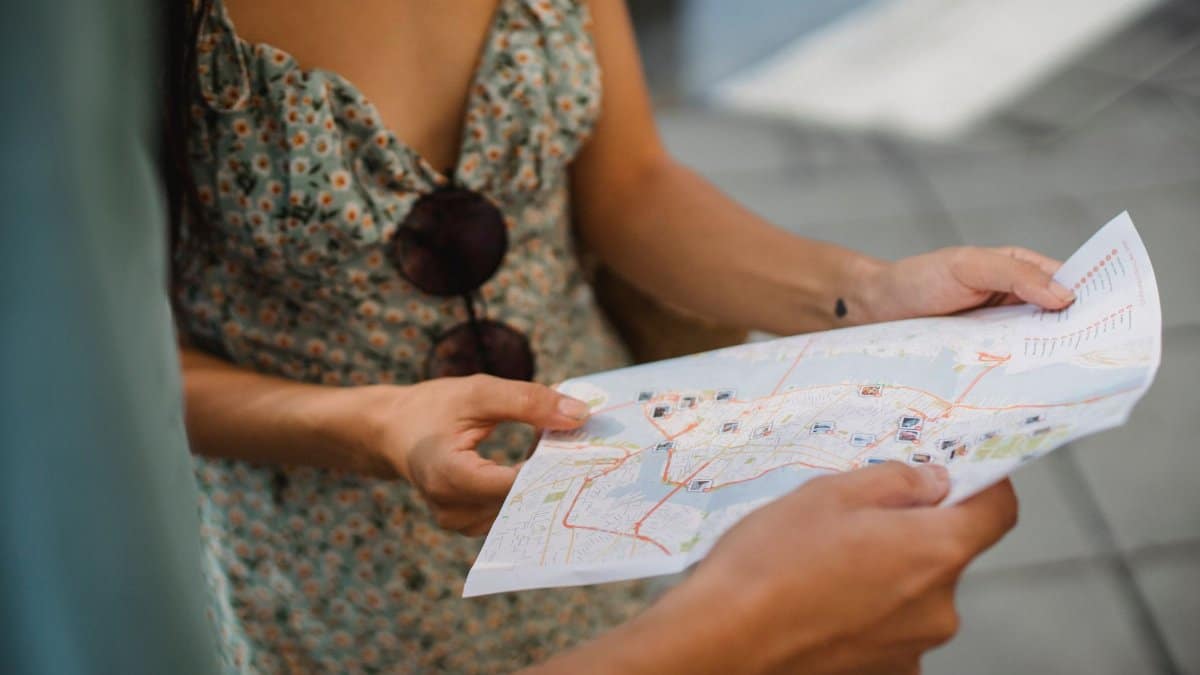
Data from local animal registrations reveals concentrations in areas such as the Mission District and Pacific Heights where open spaces meet residential density. Residents report seeing more of these mixed breed dogs during evening walks than in previous years. The pattern suggests preferences for adaptable pets that thrive in apartment settings yet enjoy regular exercise along city trails.
Why Mixed Breeds Appeal to Local Residents
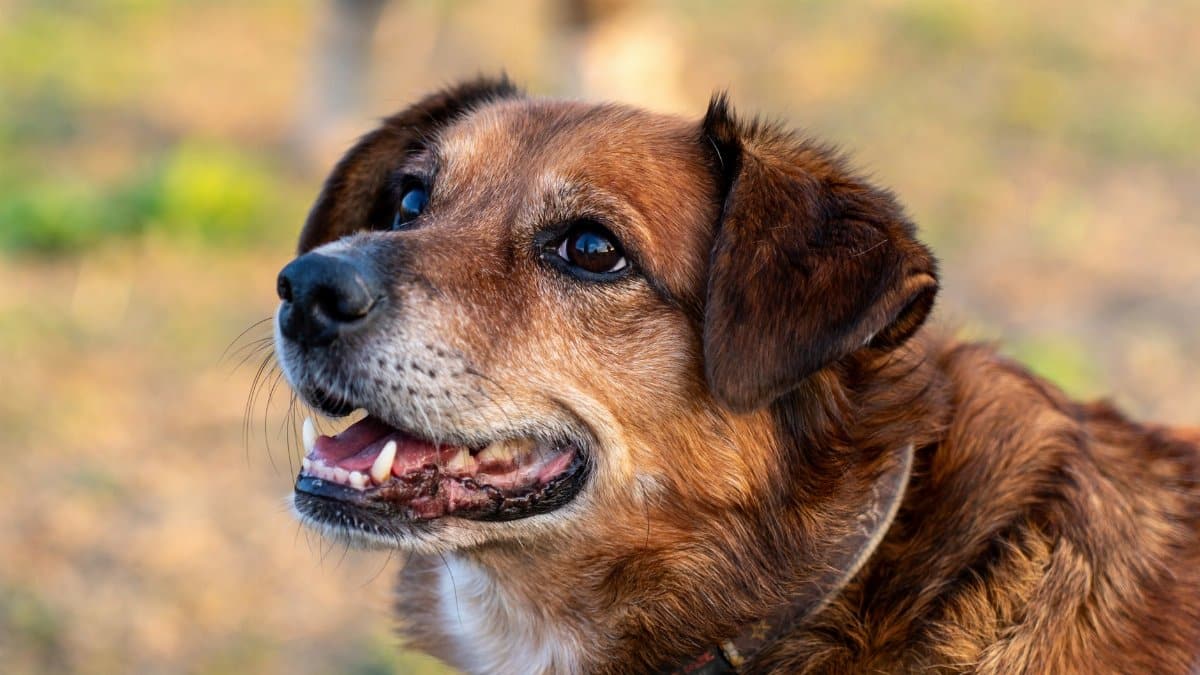
Many owners cite the intelligence and friendly nature of these dogs as reasons for choosing them over purebred options. In a fast paced environment the animals provide consistent companionship without excessive grooming demands in most cases. This choice aligns with lifestyles that balance work commitments and leisure time spent outdoors.
Community Bonds Formed Through Shared Walks
Dog owners frequently gather in public spaces exchanging stories and advice about care routines. Such interactions foster connections among people who might otherwise remain strangers in a large metropolitan area. The routine of daily outings turns into opportunities for conversation and mutual support.
Health Considerations for Urban Canines
Veterinarians in the region emphasize regular checkups tailored to the specific needs of mixed breeds. Common topics include diet adjustments suited to city living and exercise plans that prevent joint issues. Owners learn to monitor coat conditions closely given the varied fur types that result from breeding combinations.
Cultural Shift in Pet Selection Trends
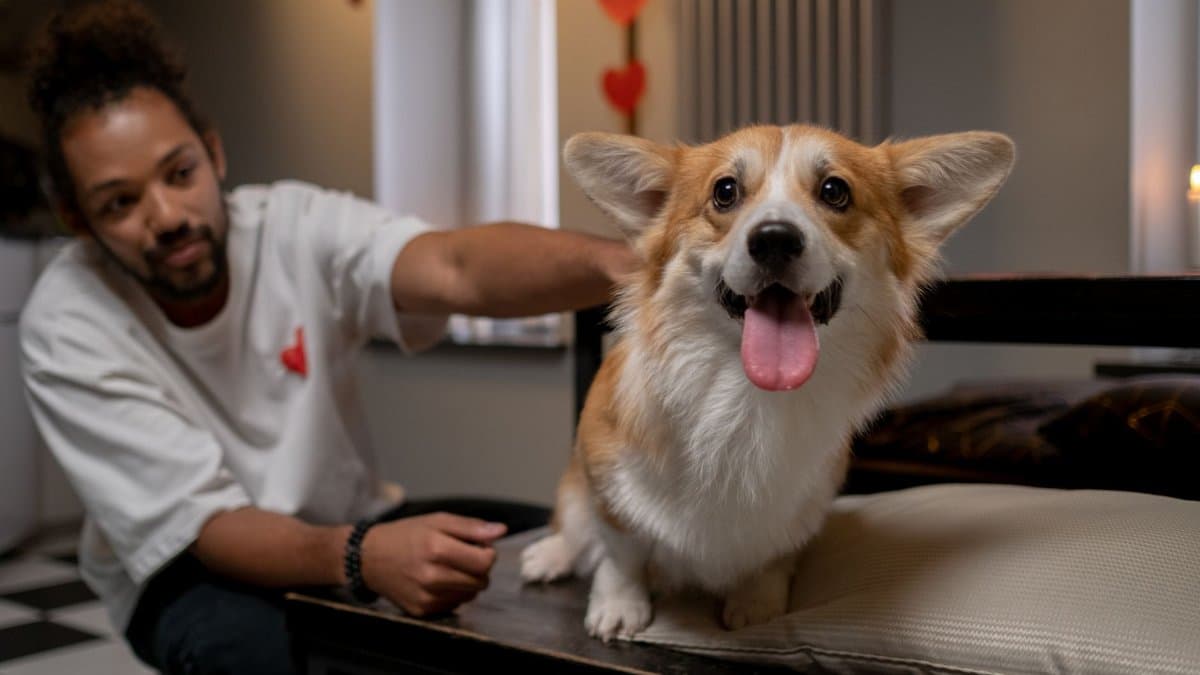
Over time preferences have moved toward dogs viewed as both affectionate and relatively easy to manage in smaller living quarters. This evolution mirrors changes in household structures where single professionals and couples without children seek fulfilling animal relationships. Local shelters note increased interest in adoption programs that highlight these adaptable companions.
Role of Parks in Daily Dog Life
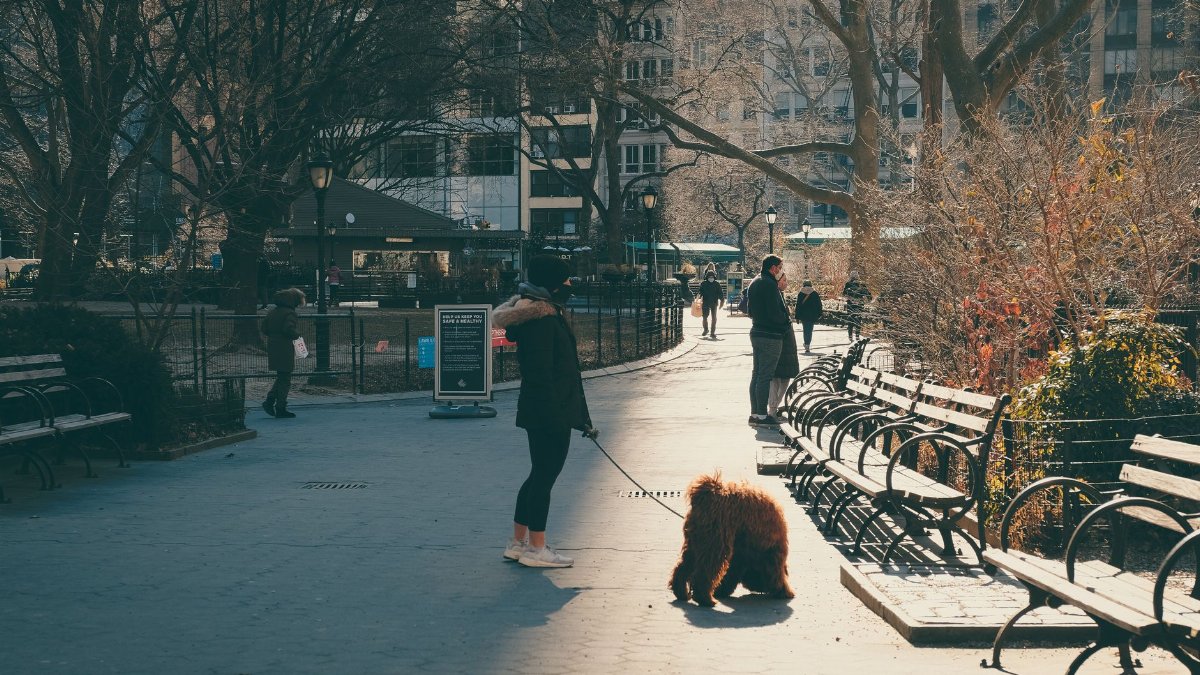
Green areas serve as essential outlets for physical activity and socialization. Early morning visits allow dogs to run freely while owners observe interactions that build confidence and reduce behavioral concerns. City planners have responded with dedicated zones that accommodate growing numbers of four legged visitors.
Economic Impact on Local Services

Businesses ranging from grooming salons to specialty stores experience steady demand tied to pet ownership. This activity supports jobs and contributes to neighborhood vitality through consistent foot traffic. Entrepreneurs adapt offerings to meet needs specific to curly coated breeds popular in the area.
Personal Reflections on Changing Streets

Walking through familiar blocks one notices how the sight of these dogs adds warmth to otherwise hurried scenes. Their playful presence reminds observers of simpler joys amid urban demands. Such moments highlight the quiet ways animals influence human outlooks on routine existence.
Future Outlook for Canine Companions
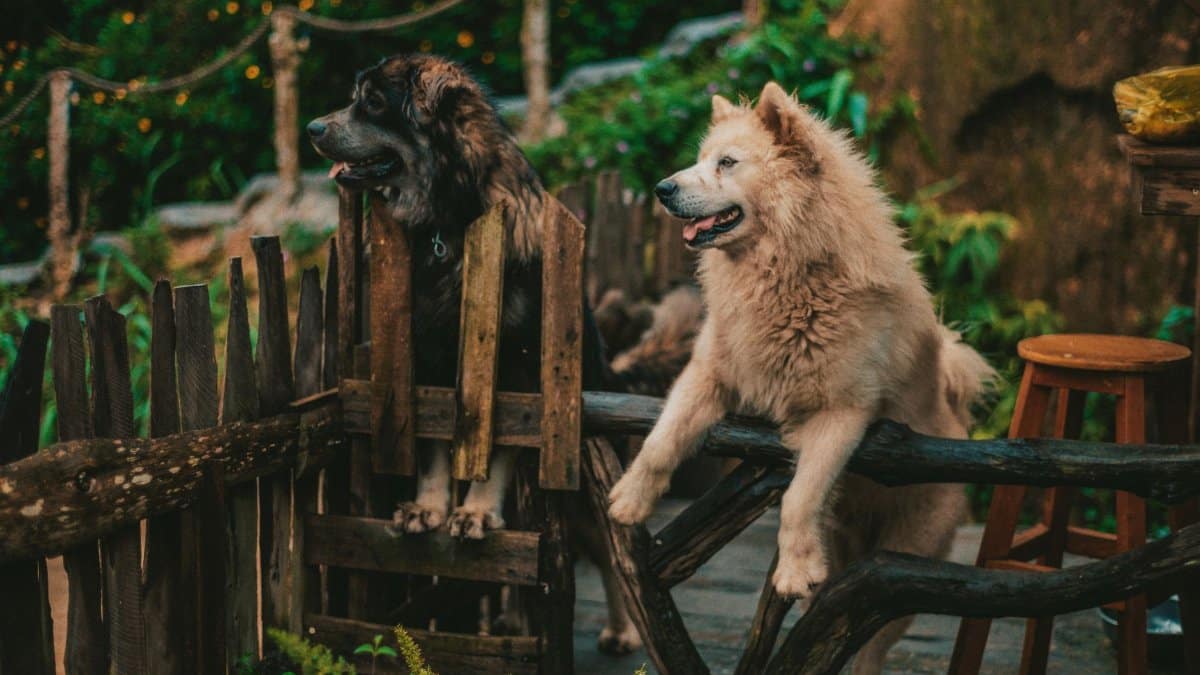
Continued interest points toward sustained visibility of mixed breeds in coming seasons. Breeders and rescue groups adjust approaches to match evolving owner expectations around temperament and maintenance. The overall trend suggests these dogs will remain fixtures in the social fabric of the city.