
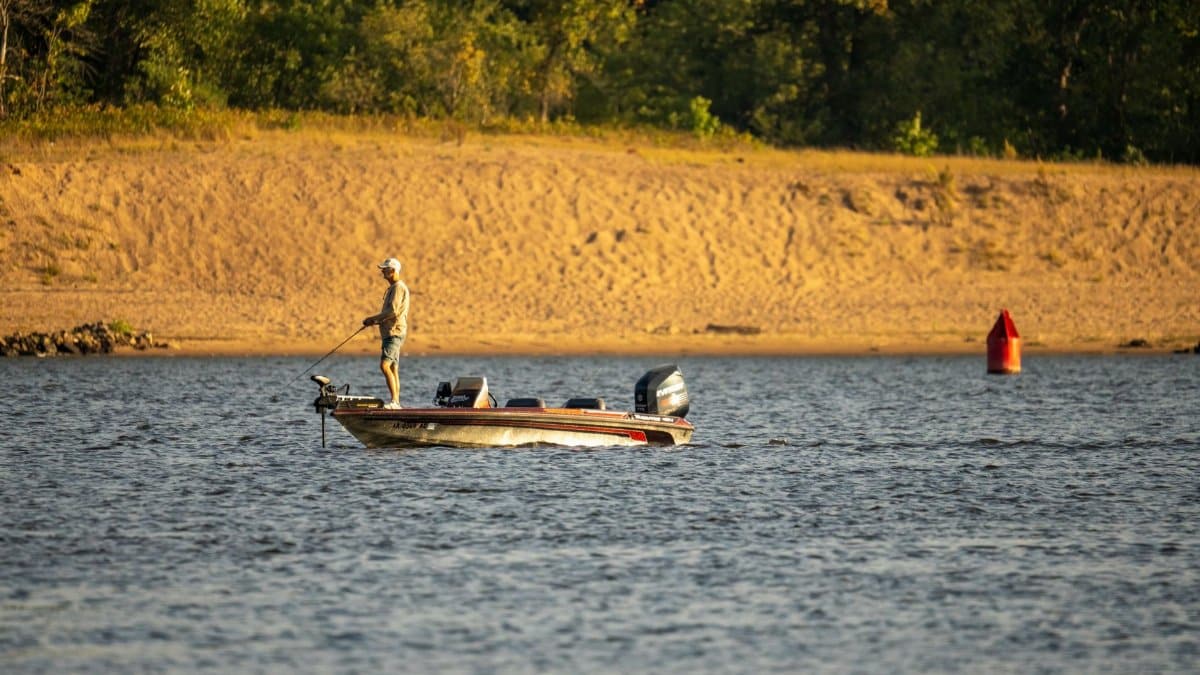
Minnesota has long drawn visitors and locals alike to its lakeside resorts and vibrant downtown districts but recent patterns show a clear pullback in leisure spending that is reshaping how families and businesses approach free time. This shift comes amid rising costs for everyday essentials leaving many households to rethink what once felt like routine outings to restaurants concerts or weekend getaways. The result is a hospitality sector facing thinner crowds and adjusted expectations across the state.
Tracing the Roots of Reduced Outings

Data from state economic reports point to higher prices for fuel dining and lodging as central factors behind the slowdown. Families that once budgeted for monthly escapes now prioritize savings or essential repairs instead. This adjustment reflects broader pressures that have built steadily since the pandemic era altering daily choices in subtle yet lasting ways.
Impact on Local Hospitality Businesses
Hotels and restaurants in areas like the Twin Cities and Duluth report fewer reservations during peak seasons. Owners describe empty tables on what used to be busy Friday nights and reduced bookings for private events. Many have responded by trimming staff hours or offering smaller menus to manage expenses while hoping for a rebound in visitor numbers.
Shifts in Family Vacation Planning

Residents increasingly opt for shorter day trips or stays with relatives rather than full vacations at resorts. This change allows them to maintain some sense of relaxation without the full expense of travel and accommodations. Communities that rely on tourism dollars feel the effects most acutely as repeat visitors scale back their usual patterns.
Broader Economic Signals in the Region
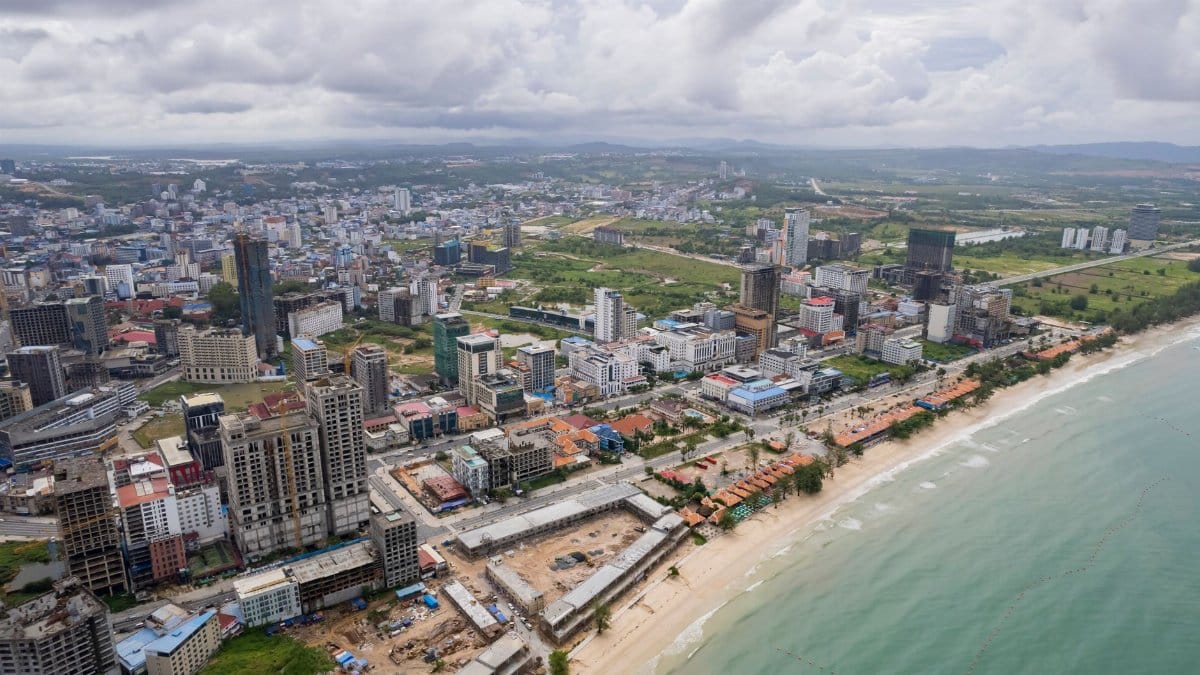
The decline ties into wider trends of cautious consumer behavior amid uncertain job markets and inflation concerns. Analysts note that leisure spending serves as an early indicator of household financial health often contracting before other sectors show similar weakness. Minnesota businesses monitor these figures closely to adjust inventory and marketing strategies accordingly.
Role of Remote Work in Leisure Choices
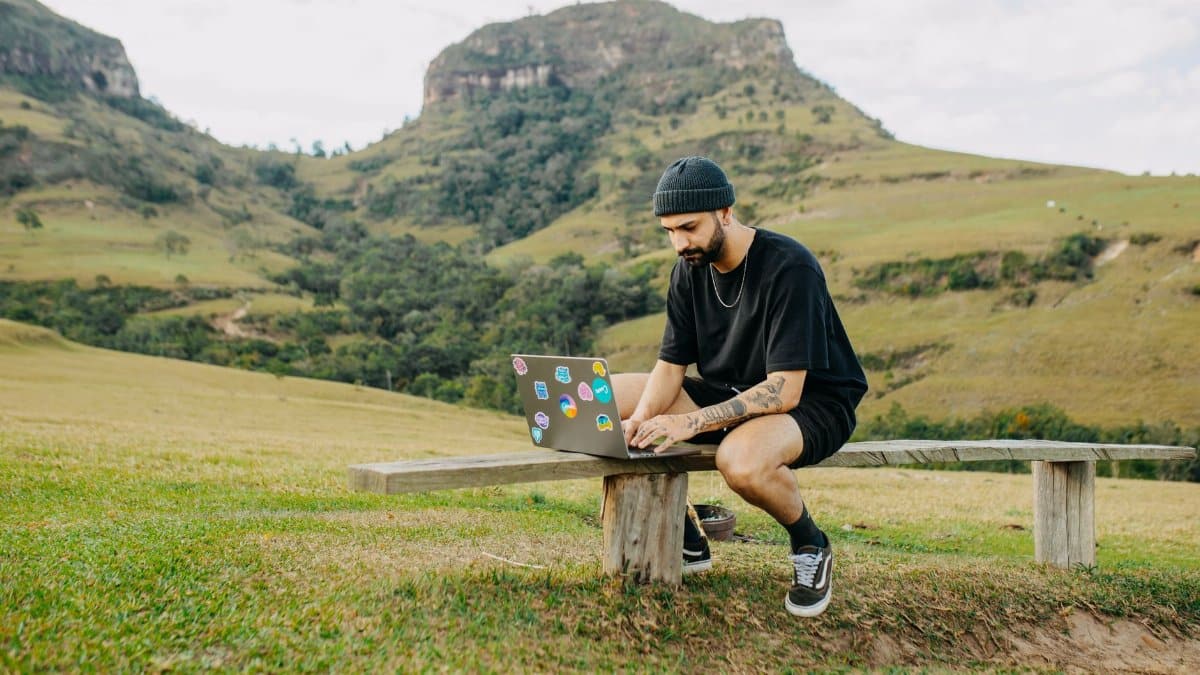
With more people working from home the line between professional and personal time has blurred leading some to skip dedicated getaways altogether. Others use flexible schedules for quick local explorations that avoid overnight costs. This evolution changes how leisure spending flows into traditional hospitality channels.
Community Responses and Adaptations

Local chambers of commerce have launched campaigns to highlight affordable attractions and group discounts aimed at encouraging spending within the state. Events focused on free or low cost activities gain traction as alternatives to paid entertainment. These efforts seek to sustain engagement even as overall budgets tighten.
Looking Ahead to Recovery Patterns

Experts suggest that any upturn will depend on stabilization in energy prices and wage growth that restores discretionary income. Some forecasts indicate gradual improvement if national economic conditions ease though the pace remains uncertain. Businesses prepare by diversifying offerings to appeal to value conscious travelers.
Personal Reflections on Changing Priorities

For many middle aged residents the adjustment brings a return to simpler pastimes such as park visits or home gatherings that once seemed less appealing. This return fosters different forms of connection though it leaves gaps for sectors built around paid leisure. The balance between enjoyment and financial caution continues to evolve.