

In a quiet cafe in downtown Manhattan a woman paused before signing a business contract. Something felt off though every term appeared favorable on paper. She walked away from the deal only to learn weeks later that the company had hidden liabilities. This moment highlights how intuition can guide people through uncertainty when facts alone fall short.
The Nature of Intuitive Signals

Intuition often arrives as a quiet nudge rather than a loud command. Researchers describe it as rapid pattern recognition shaped by years of accumulated experience. In daily life these signals surface during ordinary moments such as sensing tension in a meeting room or choosing one route over another without clear reason. The process draws on subconscious cues that the conscious mind has not yet processed.
When Speed Matters Most

Professionals in emergency rooms and trading floors rely on swift judgments that leave little room for spreadsheets. Studies from cognitive psychology show that experts in these fields reach accurate conclusions faster because repeated exposure has trained their minds to spot critical details. In such environments hesitation can carry heavier costs than an occasional misstep.
When Evidence Should Take Precedence

Complex financial or legal matters usually reward careful review over first impressions. Data from long term studies of investors reveal that those who override initial hunches with thorough analysis tend to achieve steadier returns. The same pattern appears in medical diagnoses where additional tests frequently correct early assumptions formed at the bedside.
Emotional States and Their Impact

Stress or fatigue can color intuitive responses in ways that distort judgment. A person facing deadline pressure may interpret neutral comments as criticism or see threats where none exist. Simple steps such as pausing for a walk or discussing the matter with a colleague often restore clearer perspective before any choice is finalized.
Learning From Earlier Outcomes
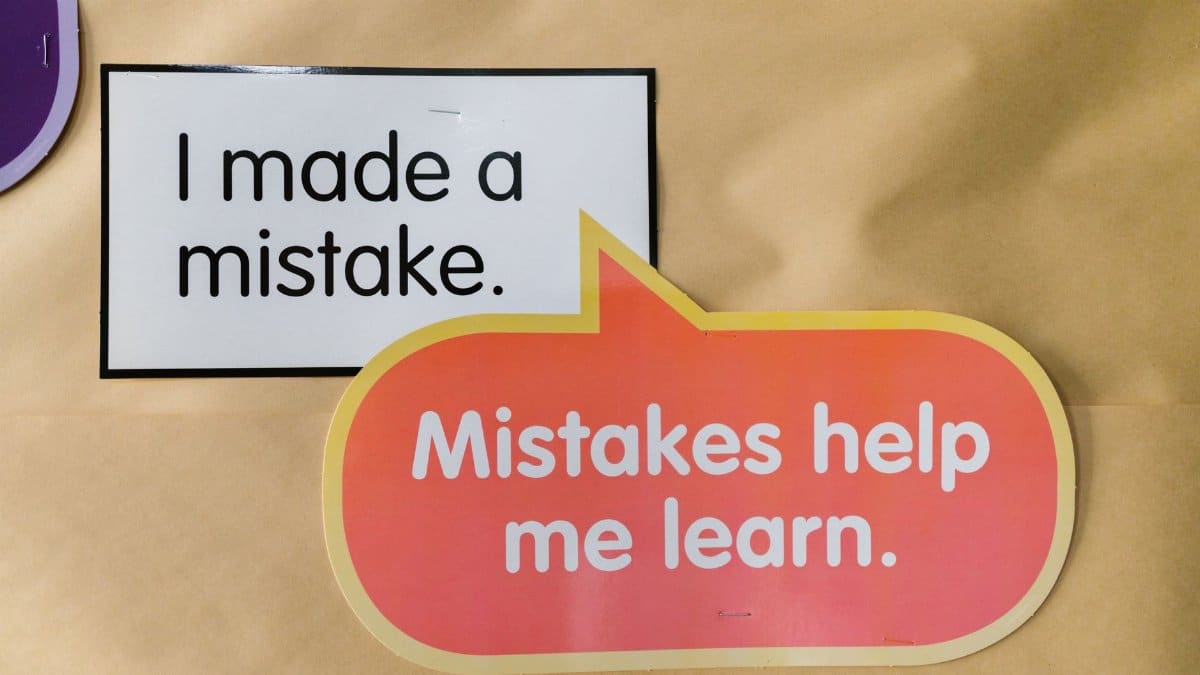
Reviewing past decisions helps separate reliable intuition from wishful thinking. Keeping a brief record of choices and their results allows patterns to emerge over months or years. People who practice this habit report greater confidence when similar situations arise again because they can reference their own history rather than vague feelings alone.
Cultural Views on Inner Knowing

Many societies have long valued inner awareness alongside formal reasoning. Indigenous traditions in North America and parts of Asia treat intuitive insight as a form of communal wisdom passed through stories and rituals. Contemporary business leaders sometimes borrow these ideas when building teams that value both creativity and measured analysis.
Testing an Intuitive Response

One practical approach involves stating the gut feeling out loud and then listing supporting facts as well as contradictions. This exercise reveals whether the initial sense rests on solid ground or merely reflects current mood. Mentors and coaches frequently recommend the method because it adds a layer of scrutiny without dismissing the original signal.
Combining Instinct With Analysis

Effective decision makers rarely choose between intuition and reason in absolute terms. They treat the first impression as a hypothesis that requires checking against available information. This middle path appears in fields as varied as architecture and public policy where initial concepts evolve through cycles of feedback and refinement.
Recognizing Limits of Inner Guidance

Intuition performs best within familiar domains. When entering new territory such as a different industry or cultural setting the same signals lose reliability because prior experience no longer applies. Acknowledging this boundary prevents overconfidence and encourages gathering external perspectives before committing to a course of action.