

Many women approaching their mid forties notice sudden waves of irritability or restless nights that seem to arrive without warning. These experiences often trace back to the natural transition toward menopause when estrogen levels begin to vary widely. Amid such changes Perimenopause Supplements appear in conversations as one possible way to ease mood swings and improve sleep quality while women seek steady routines that support overall balance.
Recognizing Early Signs of Transition

The period known as perimenopause can last several years and brings symptoms that vary from person to person. Some notice hot flashes while others report low energy or trouble concentrating. Sleep disturbances frequently appear alongside emotional ups and downs creating a cycle that affects work and family life. Awareness of these patterns helps women discuss options with healthcare providers before symptoms intensify.
Examining Common Mood Challenges

Fluctuating hormones influence brain chemicals that regulate emotion. This can lead to feelings of anxiety or sudden sadness even in those who rarely faced such issues before. Daily stressors may feel heavier during this time. Many seek steady support through nutrition exercise and sometimes targeted supplements that aim to promote calm without altering hormone levels directly.
Considering Sleep Difficulties in Detail

Restorative sleep often becomes elusive as progesterone production declines. Nighttime awakenings or difficulty falling asleep can leave individuals fatigued and less resilient during daylight hours. Over time poor rest may worsen mood concerns creating further strain. Approaches that address both physical comfort and mental relaxation tend to offer more consistent results.
Exploring Magnesium as a Support Option

Magnesium plays a part in nerve function and muscle relaxation. Some research suggests it may help reduce mild anxiety and encourage better sleep when taken in appropriate amounts. Women sometimes add magnesium rich foods or supplements to evening routines. Monitoring personal response remains important since needs differ based on diet and activity levels.
Reviewing Omega Fatty Acids Benefits
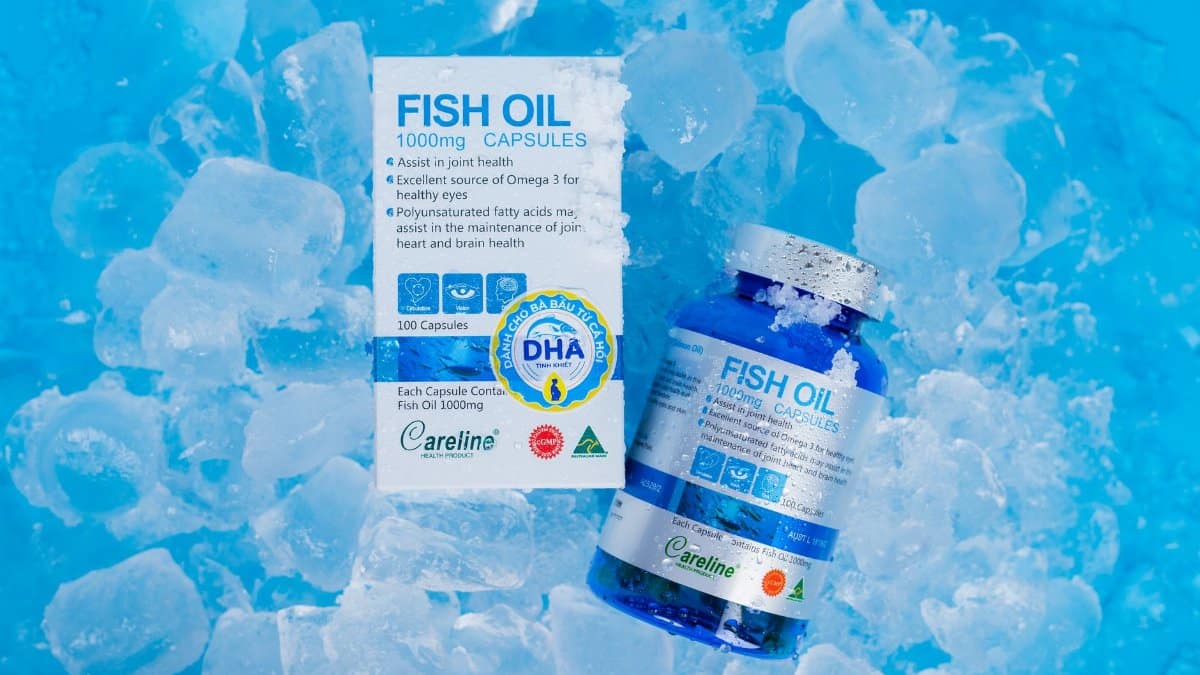
Omega three fatty acids found in fish oil and certain plant sources support brain health. They may contribute to steadier moods by influencing inflammation pathways. Regular intake through diet or supplements could also promote heart health an added advantage during midlife. Consultation with a professional helps determine suitable dosage and form.
Assessing Herbal Traditions and Modern Use

Plants such as ashwagandha and valerian root have long histories in various cultures for promoting calm and rest. Contemporary interest focuses on standardized extracts that aim for reliable effects. While some women report positive shifts others notice little change. Individual trials under guidance allow safer exploration of these possibilities.
Emphasizing Lifestyle Foundations First

Supplements work best when paired with consistent habits. Regular movement balanced meals and stress reduction techniques create a base that supports hormonal equilibrium. Limiting caffeine late in the day and establishing a wind down period can improve sleep regardless of additional aids. These steps often yield noticeable improvements on their own.
Seeking Professional Guidance Throughout

Every woman experiences perimenopause differently so personalized advice proves valuable. Blood tests or symptom tracking can inform decisions about Perimenopause Supplements and other interventions. Open talks with doctors or nutrition specialists reduce risks and align choices with overall health goals. Ongoing check ins allow adjustments as the transition progresses.