
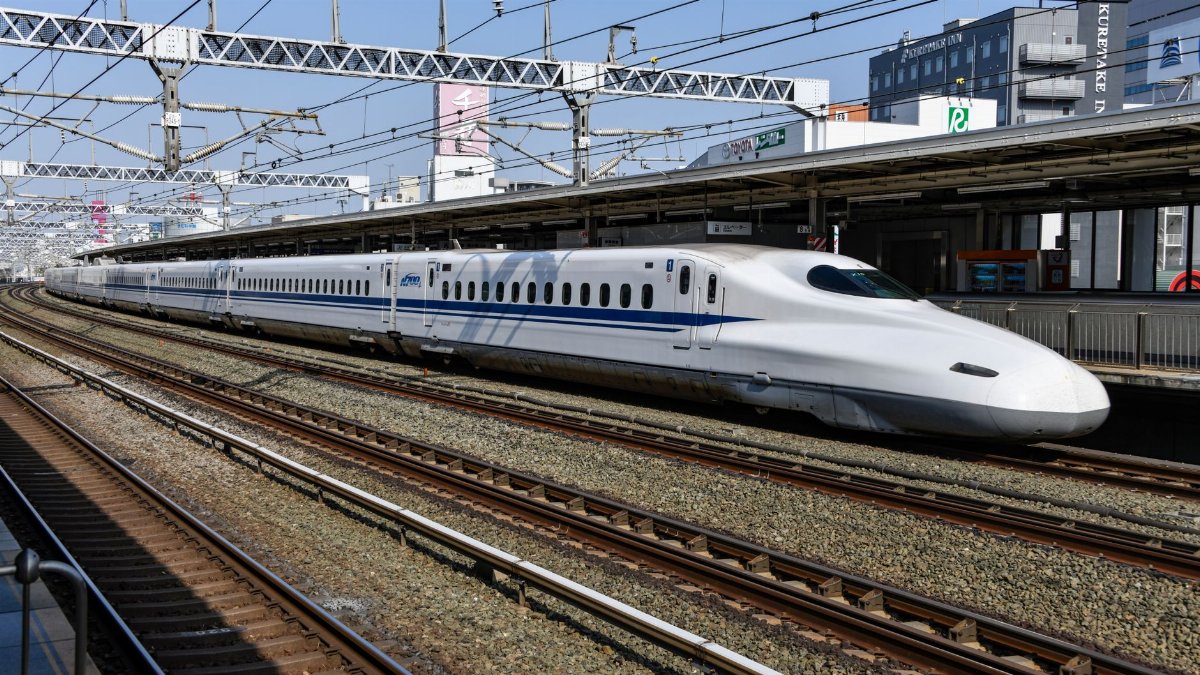
California stands at the threshold of a major shift in how people move between its two largest urban centers. Discussions around High Speed Rail SF highlight the possibility of travel from San Francisco to Los Angeles in under three hours. With projected expenses reaching one hundred twenty six billion dollars, the endeavor aims for operational status by twenty forty. This rail link could ease pressure on existing roadways and airways while fostering economic ties across regions. Many middle aged professionals who commute or visit frequently may find the convenience appealing in an era of growing environmental awareness.
The Ambitious Scope of Rail Expansion
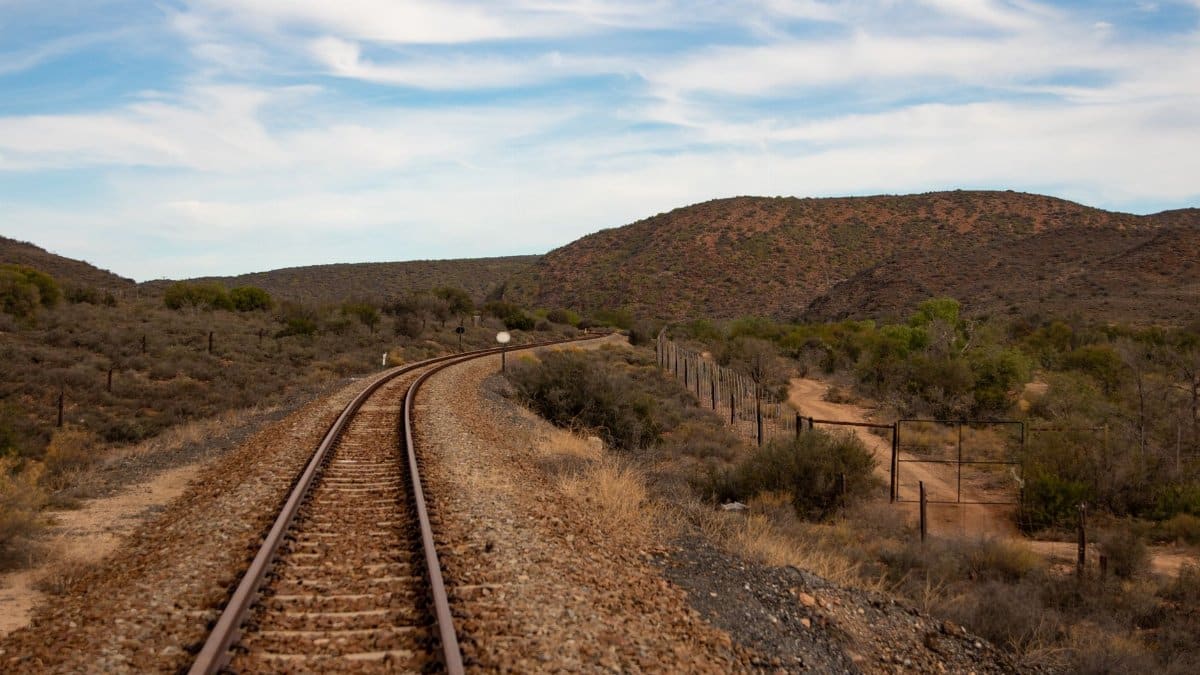
The plan encompasses hundreds of miles of new track designed for speeds exceeding two hundred miles per hour. Engineers face the task of navigating diverse terrain including mountains and agricultural lands. Coordination with local governments remains essential to secure necessary approvals and land access. Detailed mapping shows stations positioned to serve both downtown cores and suburban outposts alike.
Funding Challenges Facing the Initiative

Securing stable capital proves difficult amid shifting state budgets and federal priorities. Recent analyses indicate that private investment may supplement public sources yet carries risks of cost overruns. Advocates argue that phased construction allows incremental progress without exhausting annual allocations at once.
Environmental Benefits Expected from Reduced Car Travel
Fewer vehicles on interstate routes could lower emissions substantially over time. Air quality improvements in the central valley would benefit residents exposed to heavy truck traffic today. Wildlife corridors integrated into the design aim to minimize habitat disruption during building phases.
Comparisons to International Rail Systems
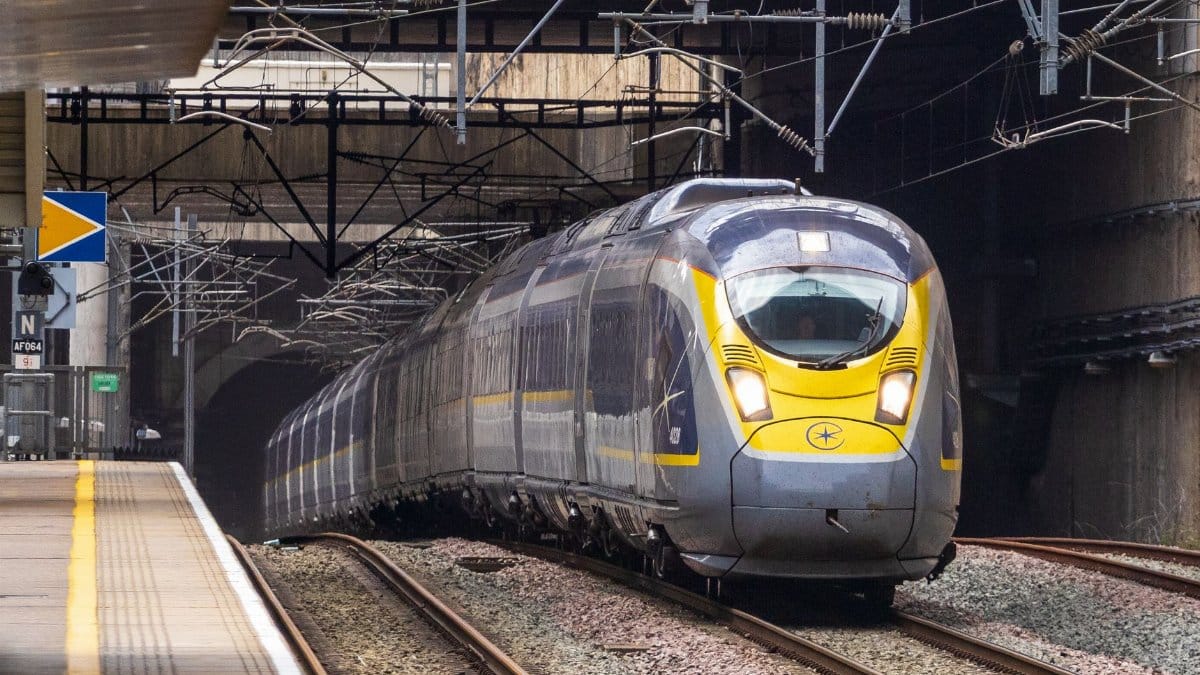
European and Asian networks demonstrate reliable performance at comparable distances and speeds. Lessons from those operations include rigorous maintenance schedules and integrated ticketing that simplifies passenger experience. Adaptation to California seismic conditions adds unique engineering layers not always present abroad.
Impact on Local Communities Along the Route
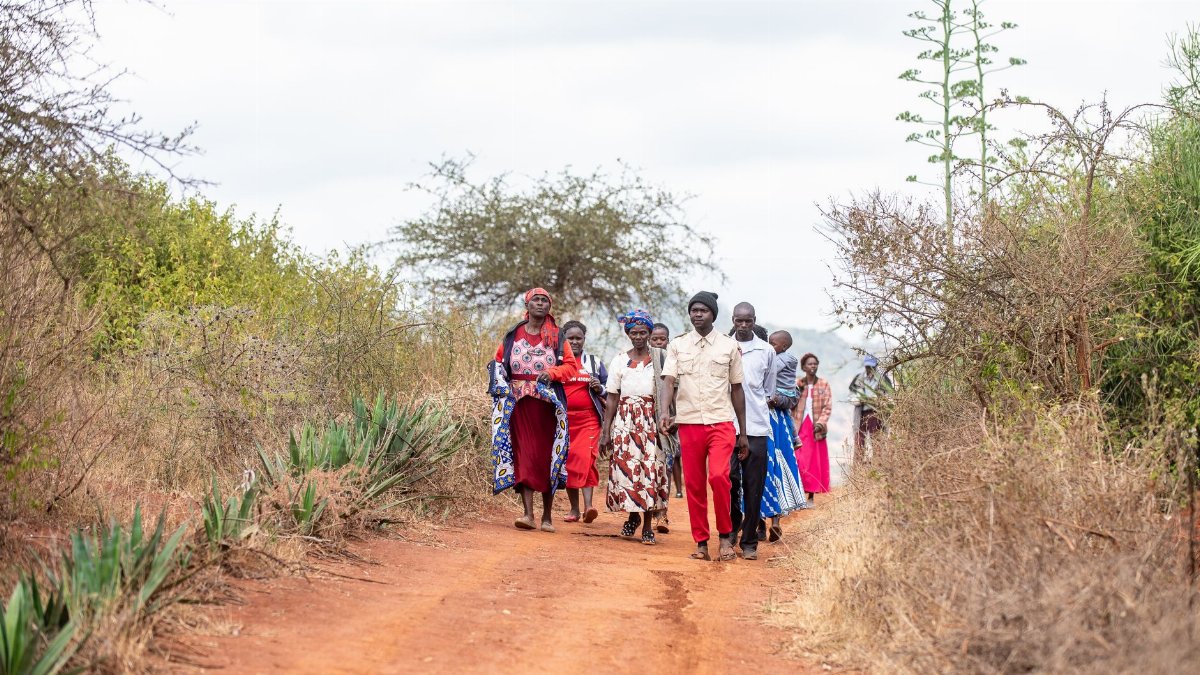
Property values near planned stations may rise as accessibility improves. Small businesses could gain customers from new visitor flows yet face temporary construction disruptions. Community forums have voiced concerns over noise levels and visual changes to rural landscapes.
Technological Innovations Required for Success

Advanced signaling systems and earthquake resistant infrastructure form core requirements. Energy efficient propulsion methods receive attention to align with state climate targets. Testing protocols for rolling stock emphasize passenger comfort during high velocity segments.
Timeline Projections and Potential Delays
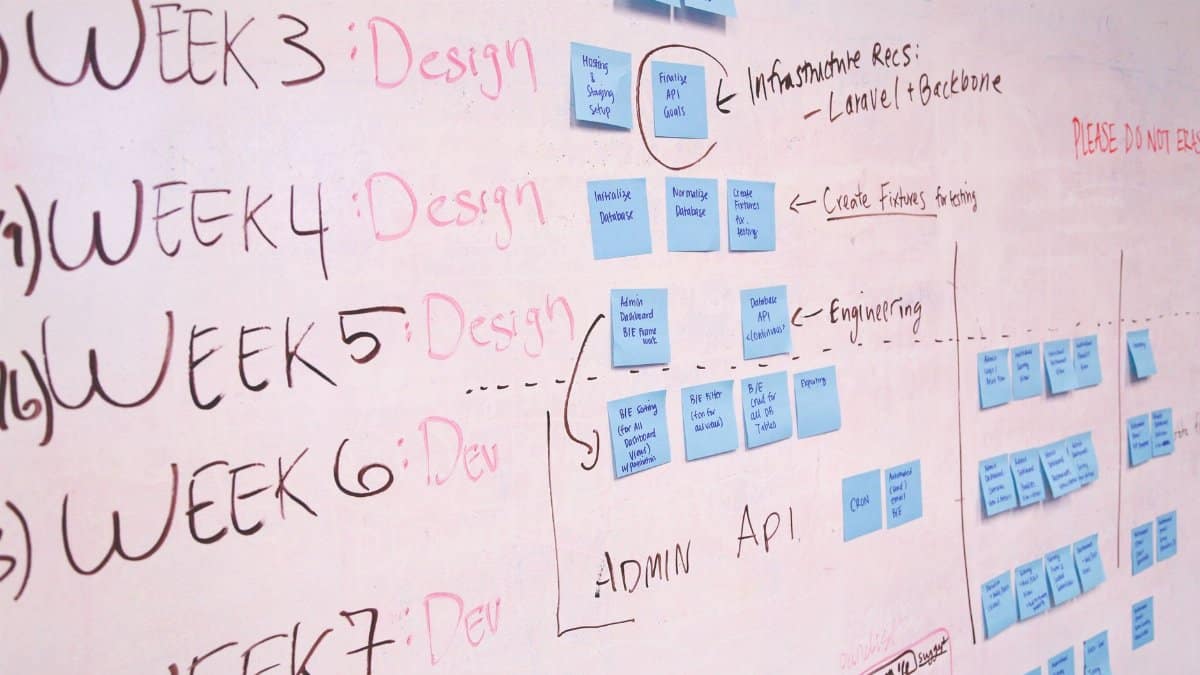
Current schedules point toward initial segments opening in the late twenty thirties. Regulatory reviews and supply chain issues often extend original estimates. Incremental openings allow early revenue generation to support later stages of the full corridor.
Public Opinion and Political Support

Surveys reveal cautious optimism among voters who value modern infrastructure. Bipartisan backing at the state level helps sustain momentum despite occasional budget debates. Grassroots campaigns emphasize connectivity for families separated by long distances.