

The rolling hills of California’s Central Valley have long stood as quiet witnesses to ambitious dreams of progress. Now those same landscapes face a new wave of development where transportation corridors could spark unexpected growth in digital infrastructure. High Speed Rail Data shows how planned rail lines may anchor future facilities that store and process vast amounts of information for global networks.
Linking Transport Routes to Digital Growth

State planners have mapped rail paths that run near agricultural zones and smaller towns. These routes offer stable power access and open land that attracts companies seeking sites for large scale computing operations. Local officials note that proximity to reliable transit reduces costs for moving equipment and staff over time.
Economic Shifts in the Central Valley
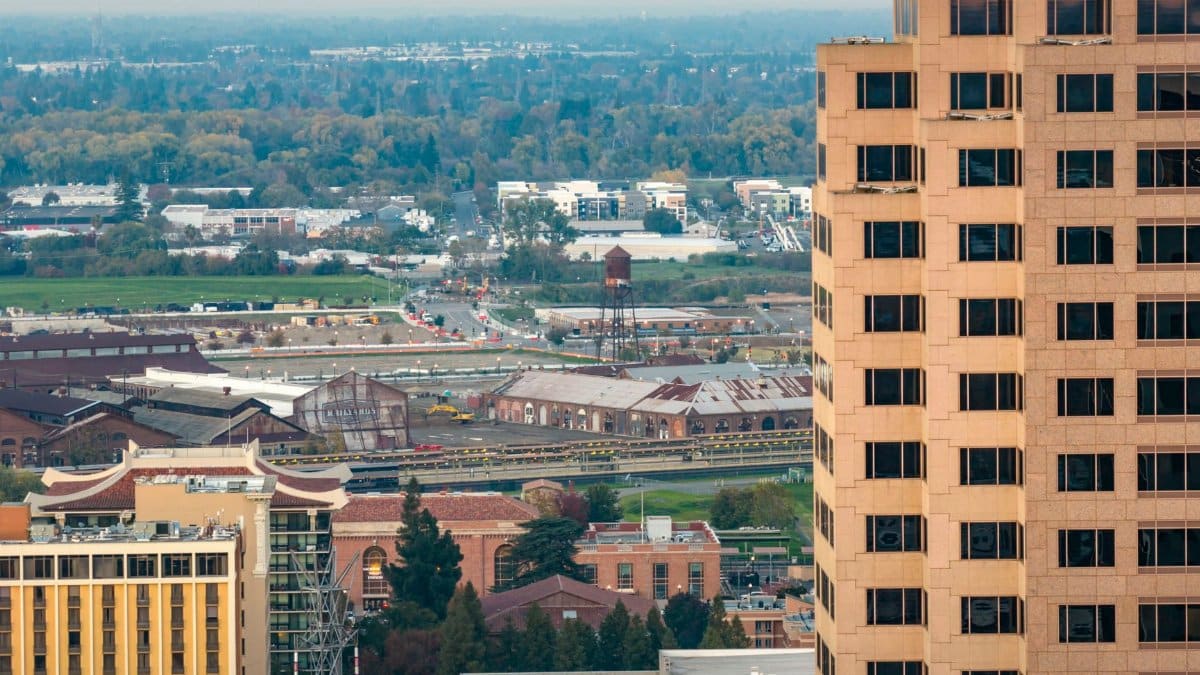
Communities along the proposed rail corridor see potential for new jobs beyond farming. Data facilities require technicians and security teams while also boosting demand for housing and services. This evolution could diversify income sources in regions historically tied to one industry.
Power Demands and Resource Planning
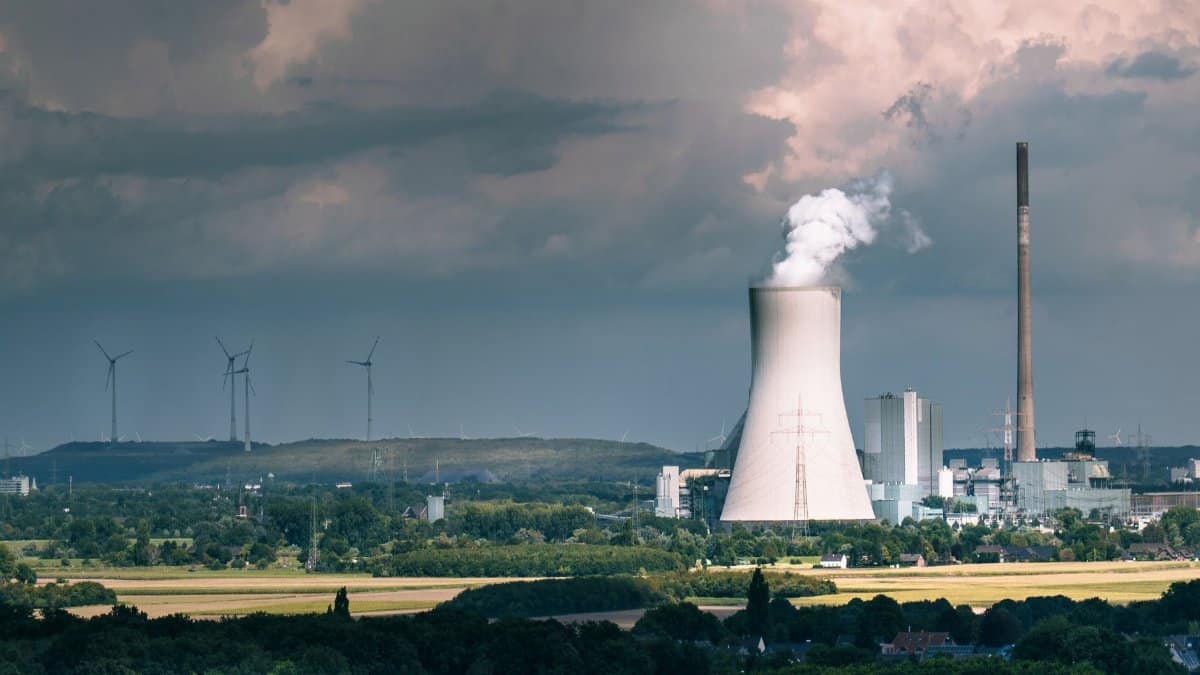
Facilities of this type consume significant electricity which raises questions about grid capacity. Utility providers are studying upgrades that align with rail electrification efforts. Coordinated investments might ease pressure on existing supplies while supporting both projects.
Community Voices on Land Use
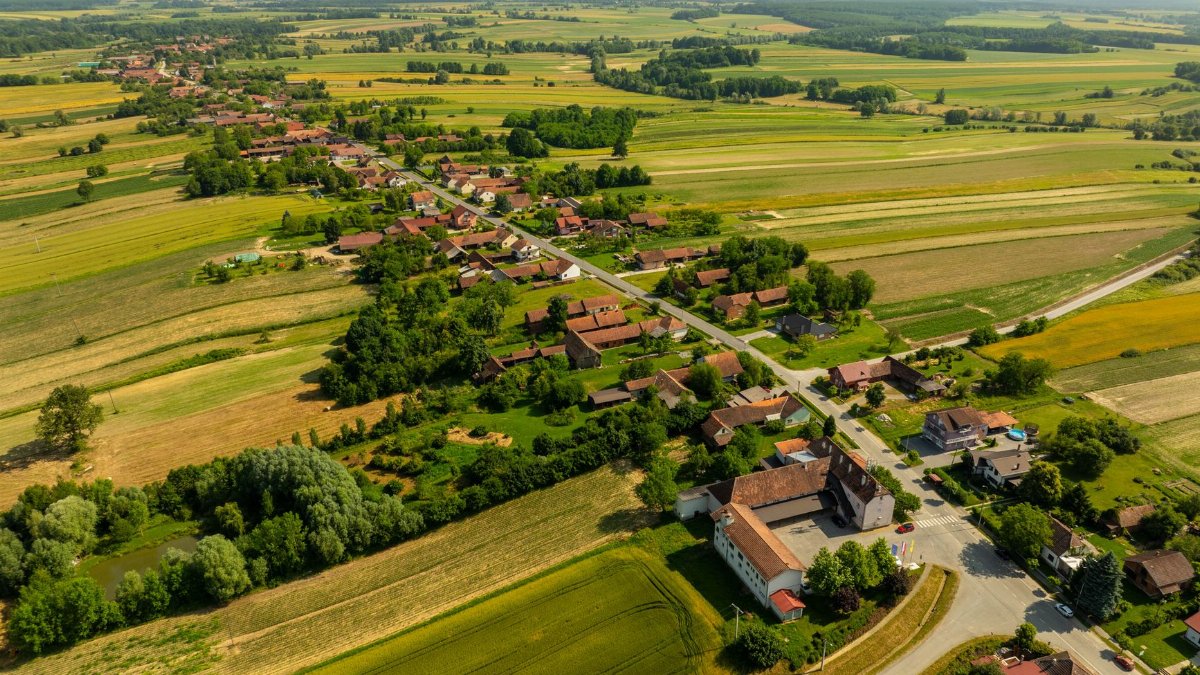
Residents express mixed feelings about converting farmland into industrial zones. Some welcome the promise of steady employment yet worry about changes to rural character. Public meetings have become forums for weighing these tradeoffs with input from longtime families.
Policy Frameworks Guiding Development

Legislators have introduced measures to streamline permits for data projects near transportation corridors. Incentives focus on areas already slated for rail investment to concentrate growth. Such rules aim to avoid scattered construction that strains local budgets.
Environmental Considerations in Site Selection
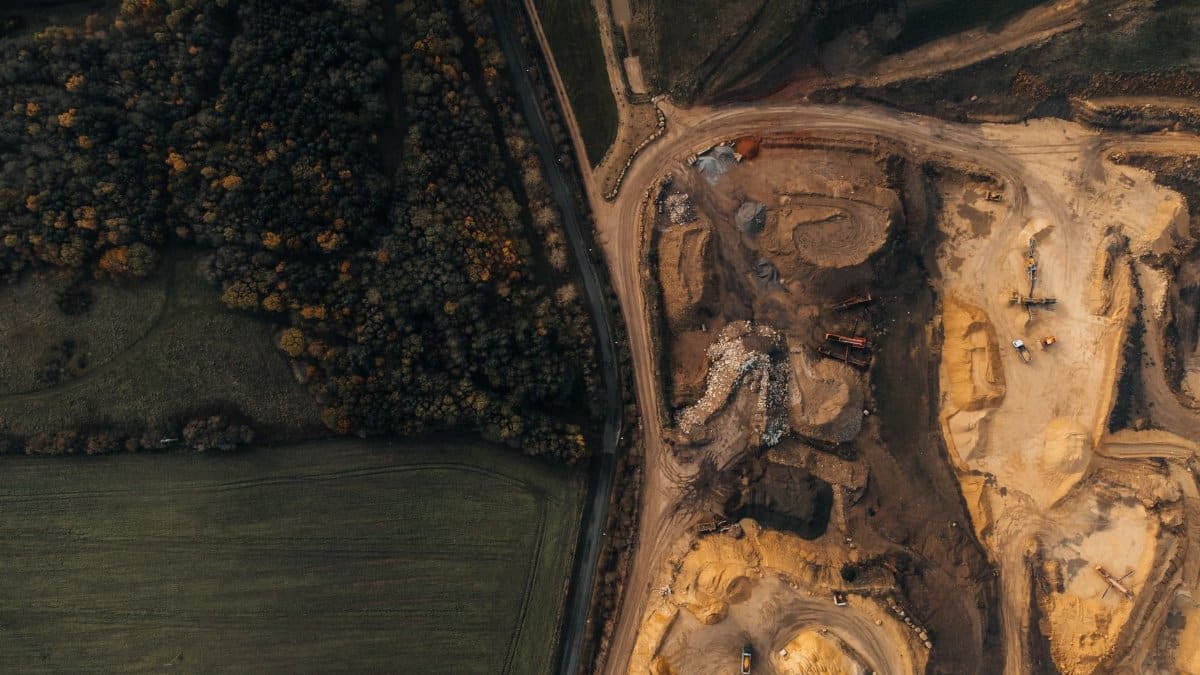
Developers must address water use and heat output from equipment racks. Studies examine how rail right of ways can incorporate cooling systems that rely on shared infrastructure. This approach seeks to limit separate environmental footprints.
Global Trends Influencing Local Choices

Tech firms look worldwide for locations with strong connectivity and favorable regulations. California offers established networks yet faces competition from other states. The rail initiative provides one edge in attracting these investments to the region.
Future Scenarios for Regional Connectivity
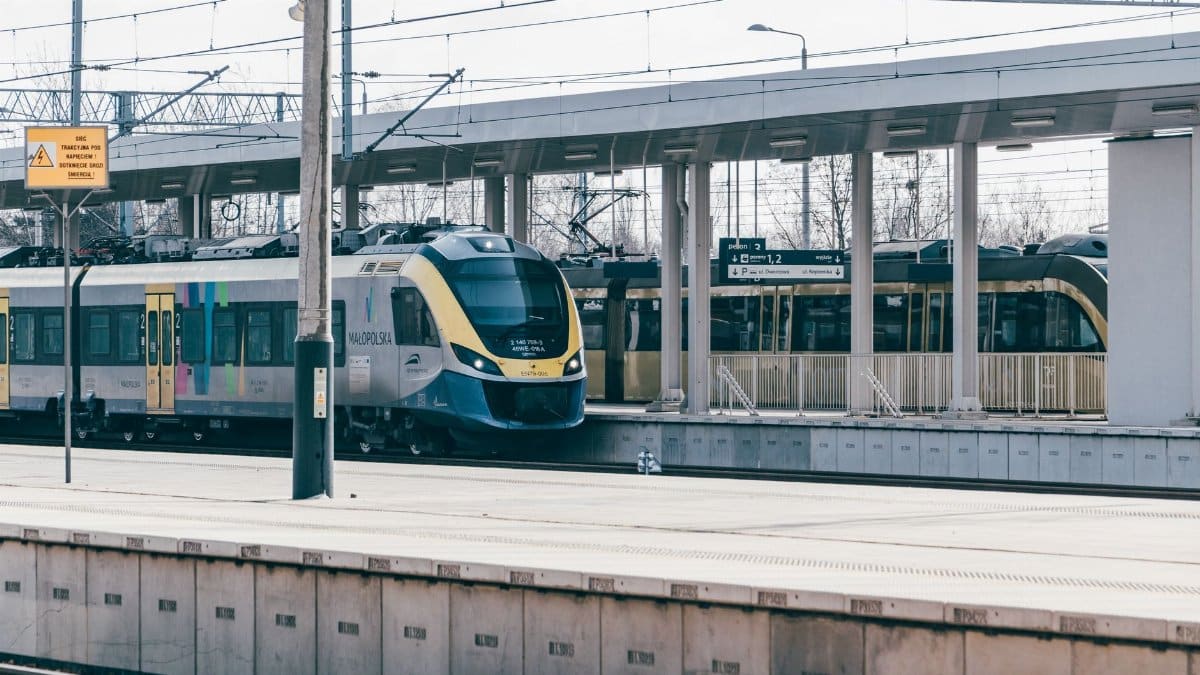
Once rail service begins data centers could exchange information at higher speeds through linked fiber lines. This setup supports remote work and cloud services that extend benefits to surrounding areas. Planners view the combination as a foundation for broader economic resilience.