

In an era marked by rising temperatures and unpredictable weather patterns around the globe, fiction has emerged as a powerful lens for examining potential futures. Writers craft narratives that blend scientific realities with human stories, creating a genre known as Cli-Fi Books. These works invite readers to confront environmental challenges through compelling tales that range from dystopian warnings to hopeful visions of adaptation and resilience.
Urban Flood Narratives for City Dwellers
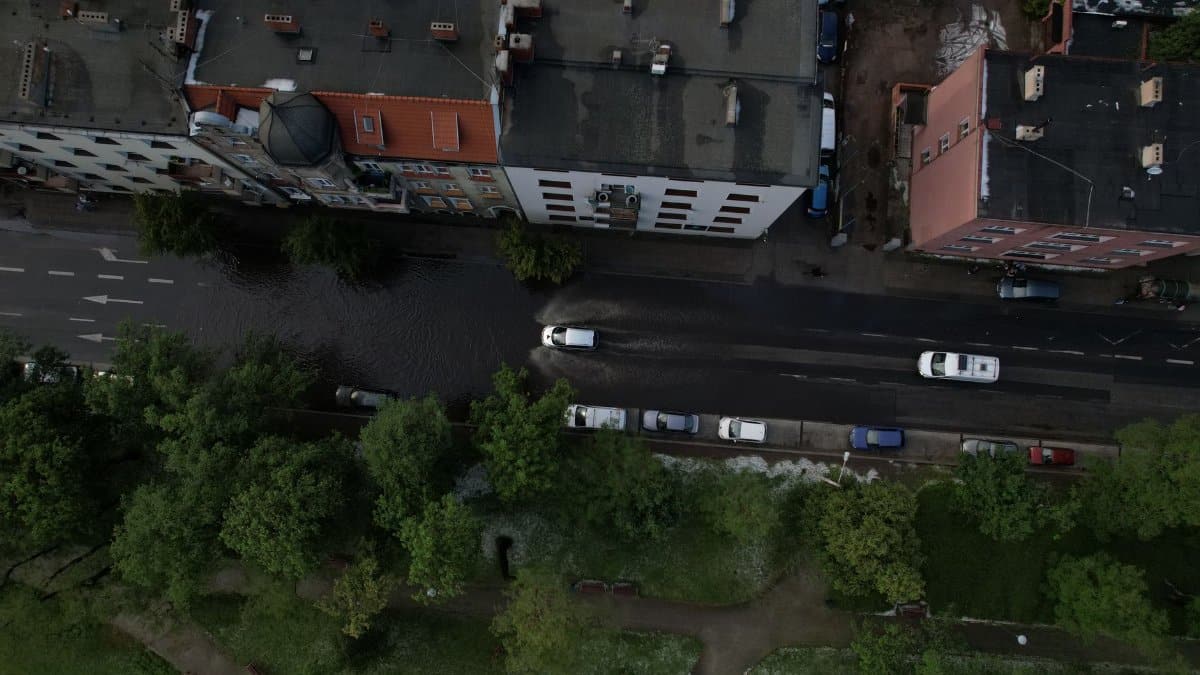
Kim Stanley Robinson portrays a submerged Manhattan in his novel New York 2140 where residents navigate high waters with ingenuity and community bonds. The story examines economic systems strained by climate shifts while highlighting collective action as a path forward. Readers interested in metropolitan life find detailed explorations of infrastructure and social dynamics under pressure.
Desert Survival Stories for Adventure Seekers
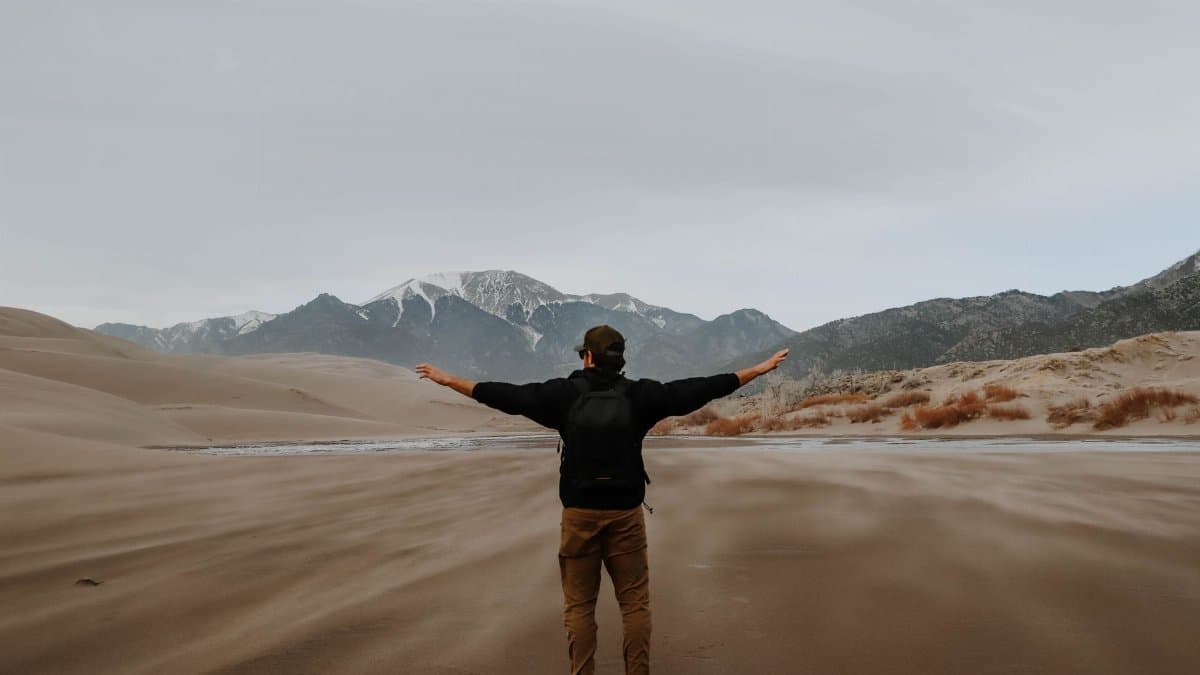
Paolo Bacigalupi presents a parched American Southwest in The Water Knife where water rights spark intense conflicts. Characters maneuver through corporate intrigue and ecological collapse with sharp tension. This approach appeals to those drawn to fast paced plots rooted in resource scarcity.
Arctic Transformation Tales for Nature Enthusiasts
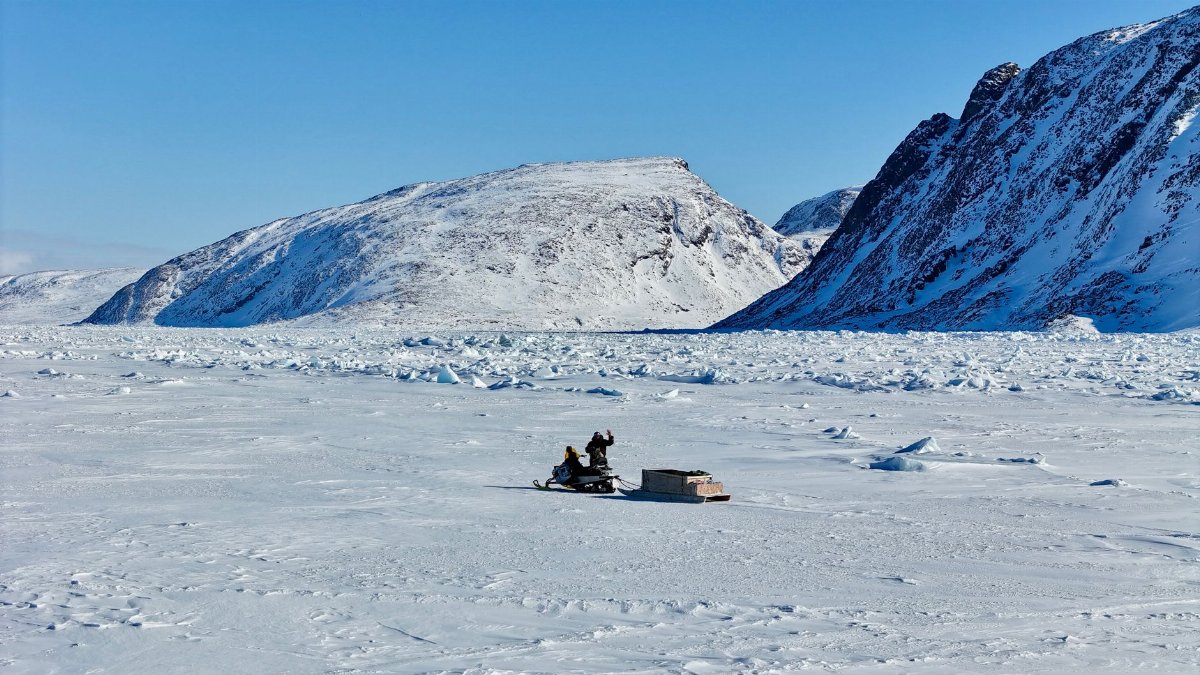
Ian McEwan follows scientists racing to address atmospheric interventions in Solar. The narrative weaves personal failings with broader planetary concerns in remote icy regions. Nature lovers appreciate the grounded descriptions of changing landscapes and research efforts.
Political Maneuvering Accounts for Policy Readers

Kim Stanley Robinson returns with The Ministry for the Future which tracks international negotiations after a catastrophic heat wave. Officials and activists pursue innovative economic reforms to curb emissions. Those focused on governance discover intricate details on global agreements and their human impacts.
Family Saga Perspectives for Emotional Readers

Barbara Kingsolver traces generations adapting to altered seasons in Flight Behavior. A rural community confronts unusual butterfly migrations tied to warming trends. The focus on personal relationships offers intimate views of how environmental changes ripple through daily existence.
Corporate Dystopias for Thriller Fans
Richard Powers explores corporate influence over genetic modifications in The Overstory through interconnected lives defending forests. Legal battles and activism build suspense across decades. Thriller enthusiasts encounter layered plots that question industrial priorities.
Post Apocalyptic Hope for Optimistic Minds

Omar El Akkad depicts a divided future America in American War where climate fallout fuels regional strife. Yet threads of reconciliation emerge amid the ruins. Optimistic readers value the balance between loss and tentative renewal.
Scientific Discovery Angles for Intellectual Types

Neal Stephenson outlines large scale engineering projects in Termination Shock to manage rising seas. Technical explanations meet geopolitical tensions in engaging ways. Intellectual audiences gain insights into feasible technological responses without sacrificing narrative drive.
Indigenous Wisdom Integrations for Cultural Explorers

Cherie Dimaline follows a young protagonist preserving traditions amid environmental ruin in The Marrow Thieves. Cultural heritage becomes central to survival strategies. Cultural explorers encounter respectful portrayals of knowledge systems facing modern threats.
Youth Led Movements for Forward Looking Audiences

Sarah Pinsker imagines young people organizing resistance in a flooded world through A Song for a New Day. Music and solidarity fuel change against isolation. Forward looking audiences connect with themes of generational renewal and creative expression.