

Many adults find themselves staring into the refrigerator at the end of a demanding day, unsure how to begin feeding themselves without added strain. This challenge becomes especially pronounced when mental resources feel depleted. In such moments, Meal Prep offers a pathway toward steadier nourishment that respects limited capacity rather than demanding peak performance. Recent conversations around wellbeing highlight how small, repeatable actions can support both body and spirit, particularly for those navigating fluctuating energy levels throughout the week.
Recognizing the Weight of Daily Choices

Executive function involves planning, organizing and initiating tasks, all of which can diminish under stress or fatigue. When these capacities run low, even deciding what to eat feels burdensome. Readers in midlife often describe this state as a quiet accumulation of responsibilities that leaves little room for elaborate kitchen projects. Acknowledging this reality marks the first step toward gentler approaches that honor current limits instead of fighting them.
Beginning With Simple Ingredient Foundations

Select a handful of versatile items that require minimal transformation. Think of staples such as roasted vegetables, cooked grains and proteins that store well for several days. These choices reduce the need for repeated decisions while providing building blocks for multiple meals. The emphasis rests on consistency over variety during periods of lower mental bandwidth.
Preparing Components Rather Than Full Dishes
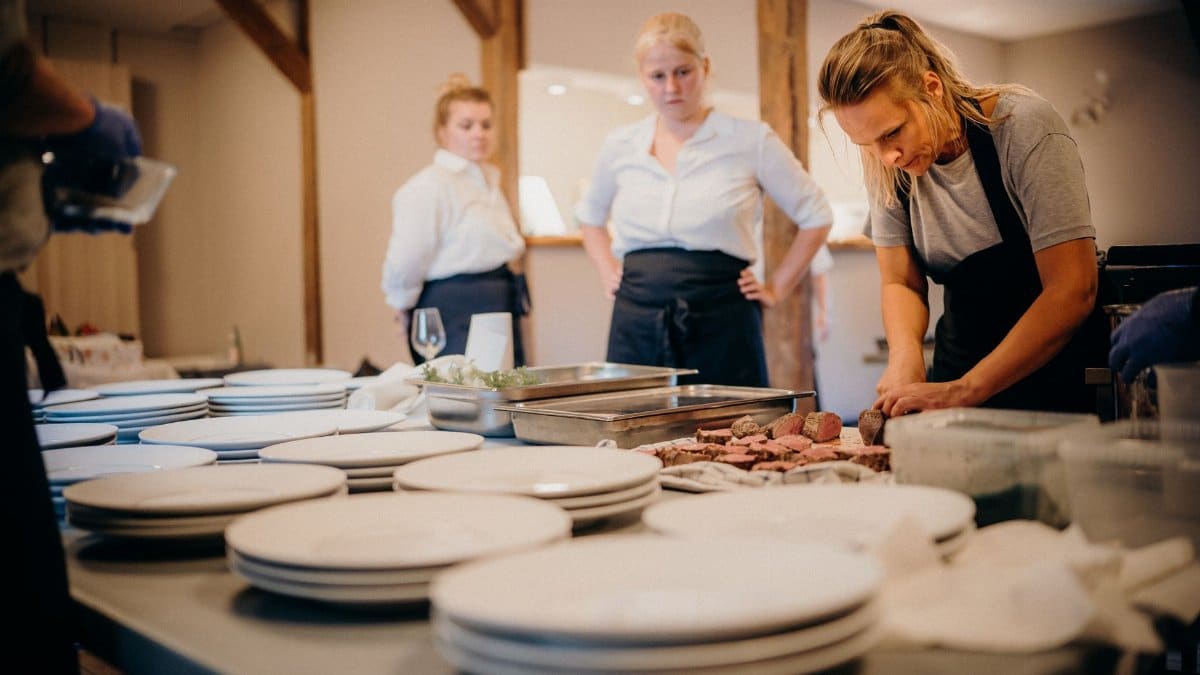
Focus on ready elements that combine later with little thought. A tray of sheet pan vegetables or a pot of lentils can serve different purposes across several sittings. This method sidesteps the pressure to create complete recipes in one session and allows flexibility when appetite or energy shifts unexpectedly.
Using Time Blocks That Feel Manageable

Break preparation into short intervals spread across the day or week. Ten minutes of chopping in the morning or a brief assembly after work can accumulate into meaningful progress without triggering resistance. Such pacing aligns with the rhythms of fluctuating focus and prevents the all or nothing mindset that often accompanies low executive function.
Leaning Into Sensory Comforts

Notice the textures, aromas and colors that arise during even brief kitchen time. These observations can ground attention in the present and turn routine tasks into quiet acts of care. Many find that attending to these details brings a subtle sense of steadiness amid otherwise scattered thoughts.
Storing Items for Easy Access

Arrange prepared foods in clear containers at eye level in the refrigerator. Visual cues replace the need to search or remember what lies behind closed doors. Labels written in simple language further ease retrieval when decision making feels slow.
Inviting Gentle Accountability

Share plans with a friend or family member who understands the goal of reduced pressure. A brief check in can provide external structure without judgment. This approach draws on communal support rather than relying solely on internal motivation that may be temporarily unavailable.
Reflecting on What Sustains Over Time

After several days of following these patterns, note which steps felt least taxing. Adjustments arise naturally from this observation, creating a personalized rhythm that evolves with changing capacities. The process becomes less about perfection and more about ongoing nourishment that respects both practical needs and inner wellbeing.