
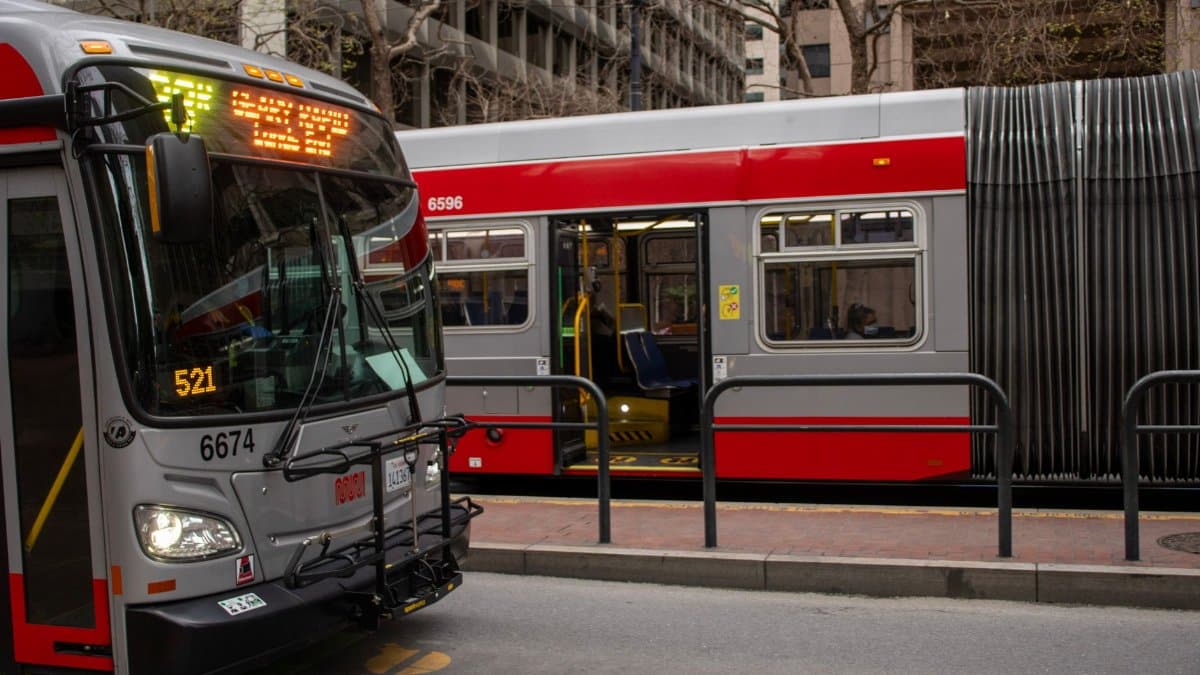
Seattle residents depending on bus service have endured extended travel times that disrupt schedules and add stress to everyday life. The situation prompted city officials to seek solutions that give priority to transit vehicles on key roads. Mayor Wilson will add red painted sections to support better operations for the service. Red Bus Lanes represent one such approach being applied on Denny Way for the route experiencing chronic issues.
Daily Realities for Route Eight Riders
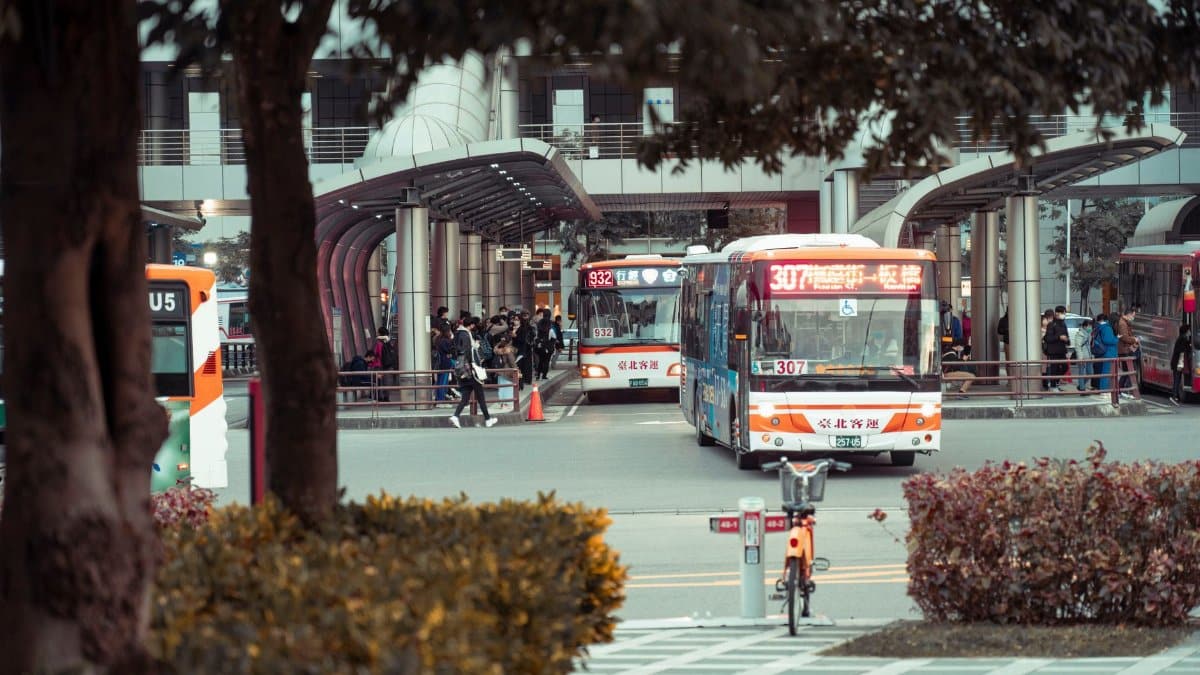
Passengers boarding at stops along the corridor often wait as cars fill the roadway and block progress. Observations from regular users show that even short distances can require far more time than maps suggest due to mixed traffic conditions. City data indicates the service falls behind its timetable on most days, affecting workers heading to jobs and families managing appointments across neighborhoods.
Policy Decisions Behind the Lane Additions
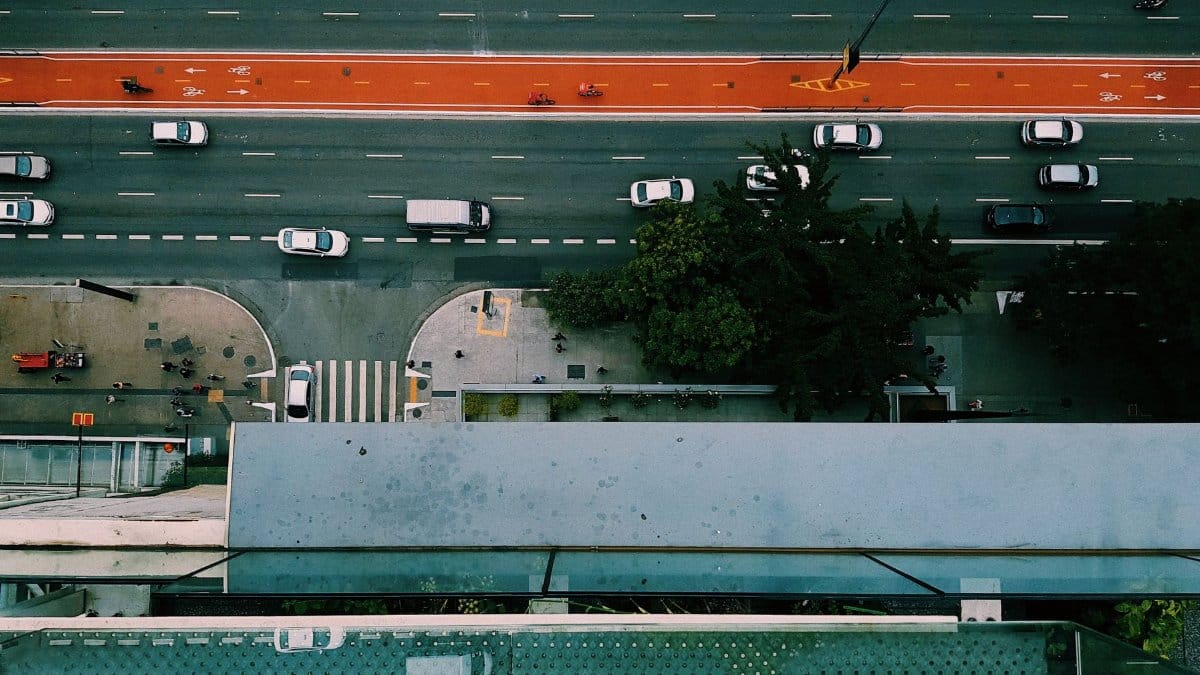
Officials reviewed multiple options before settling on dedicated space for buses. The choice reflects a broader effort to make transit more competitive with private vehicles in growing urban areas. By setting aside portions of the street, planners expect fewer interruptions and smoother movement through intersections that currently cause backups.
Effects on Surrounding Traffic Flow
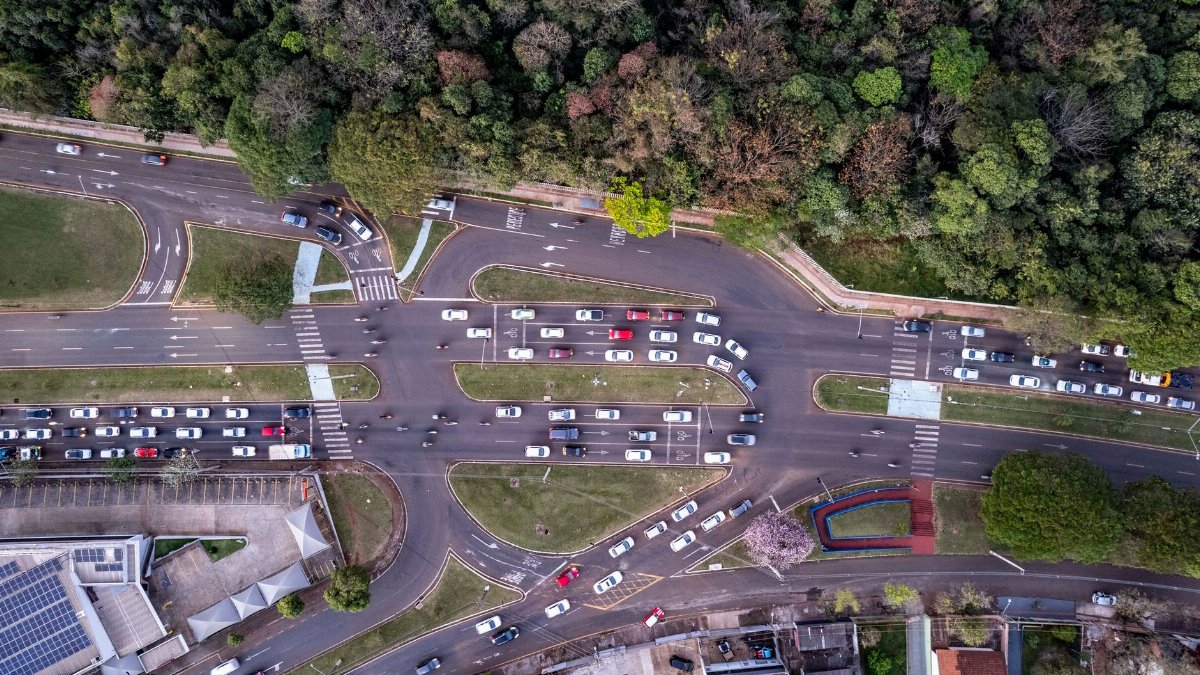
Drivers in general lanes may notice shifts as buses gain their own path during peak periods. Initial modeling suggests overall throughput could improve once vehicles separate by mode. Local transportation staff will monitor volumes and adjust signals where needed to balance the needs of all road users.
Advantages for Frequent Transit Passengers
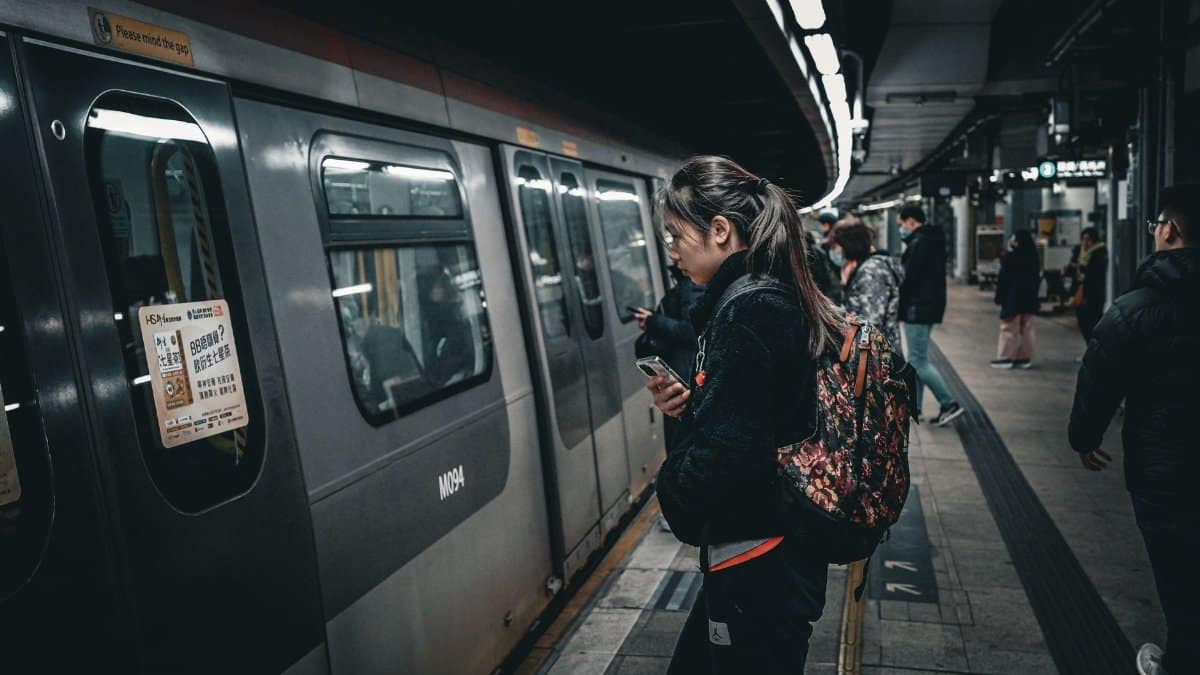
People who choose the bus for its lower cost and reduced environmental footprint stand to gain reliable arrival estimates. Red Bus Lanes should cut down on the bunching that leaves some stops overcrowded while others sit empty. This consistency encourages more residents to leave cars at home for routine trips.
Lessons from Similar Projects Elsewhere

Other metropolitan regions have tested colored pavement markings to highlight bus priority. Results often include faster average speeds and higher rider satisfaction scores after installation. Seattle can draw from those examples while adapting designs to fit local street widths and intersection layouts.
Business Community Responses and Adjustments

Store owners near the corridor express mixed views, with some anticipating easier access for customers arriving without vehicles. Delivery schedules may require minor tweaks to avoid peak bus hours. Overall economic studies point to stable or improved foot traffic when transit options strengthen.
Broader Environmental Outcomes

Shifting more trips to buses lowers emissions per passenger compared with solo driving. Over time the lanes support city goals for cleaner air and reduced carbon output from the transportation sector. Complementary efforts like improved shelters add to the appeal of choosing public options.
Next Steps in Network Expansion

Planners already discuss applying the same treatment to additional corridors once the current segment proves effective. Community input sessions will help refine details such as enforcement methods and hours of operation. Success here could set a pattern for other routes facing similar reliability challenges.
Measuring Results Over Coming Months

Performance tracking will rely on onboard sensors and rider surveys to quantify changes in travel duration. Reports issued at regular intervals will allow adjustments if certain elements underperform. Transparency in these findings helps maintain public trust in the initiative.