

In the heart of Chicago’s southwest side, where neighborhoods have long relied on familiar gathering spots for connection and commerce, Ford City Mall has stood as a resilient landmark amid shifting retail landscapes. Recent upgrades to its fire suppression infrastructure have provided a temporary reprieve from closure threats, allowing the aging complex to continue serving visitors while addressing critical safety mandates. This development highlights ongoing tensions between preservation of community assets and the demands of modern building codes.
Historical Roots of the Shopping Destination
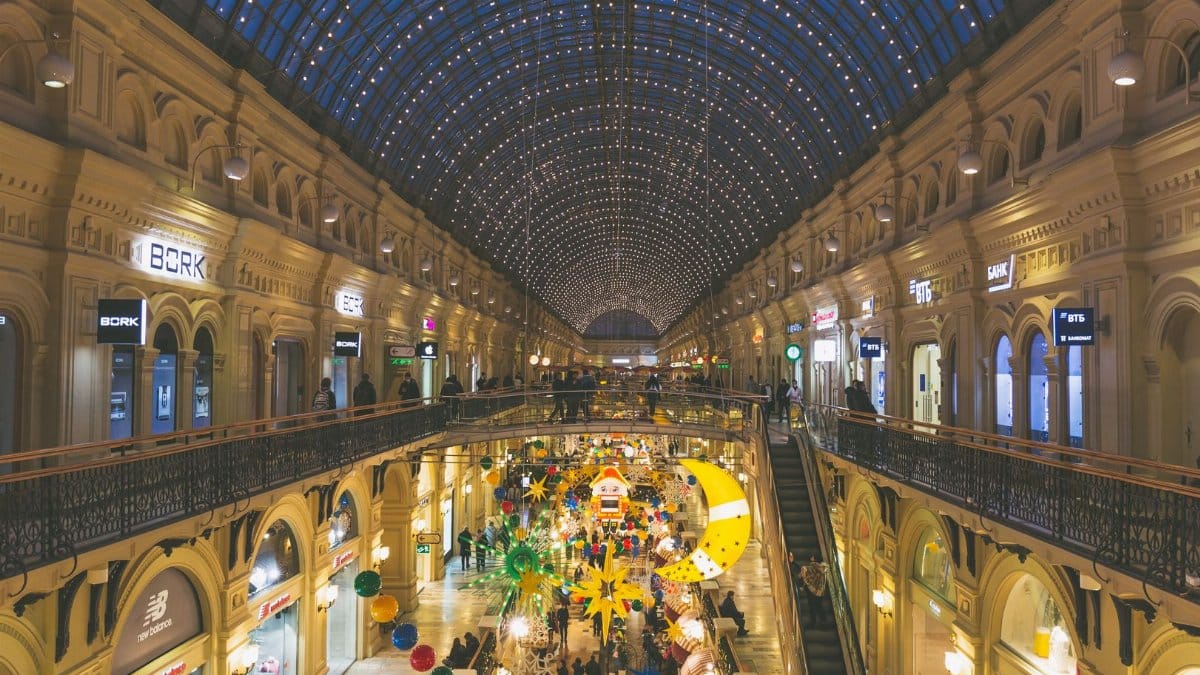
Ford City Mall opened decades ago on the site of a former aircraft engine plant, transforming industrial land into a retail hub for residents in surrounding areas. Its design reflected midcentury planning priorities that emphasized accessibility by car and ample parking. Over time the venue adapted to waves of economic change, hosting anchor stores that drew families for everything from clothing purchases to casual meals. Local accounts recall how the space once pulsed with activity during holidays and weekends, creating shared memories across generations.
Community Role in Daily Life

Beyond transactions the mall functions as an informal social center where seniors meet for walks, parents bring children to events, and small vendors operate kiosks offering specialized goods. In neighborhoods with limited public spaces this enclosed environment offers climate controlled comfort and a sense of routine. Shoppers often describe it as more than a commercial site, noting how it fosters incidental encounters that strengthen local ties. Such roles have grown more pronounced as nearby independent businesses have faced their own pressures from online competition.
Safety Concerns Prompting Inspection
City officials initiated reviews after routine checks revealed deficiencies in the fire suppression mechanisms installed years earlier. Requirements under updated ordinances demanded enhancements to sprinklers, alarms, and related piping to meet current standards for occupant protection. The process uncovered layers of deferred maintenance typical in structures of this age, where original systems had not kept pace with evolving regulations. Inspectors emphasized that these measures aim to prevent potential hazards rather than target any single property.
Repair Process and Technical Adjustments
Contractors undertook phased work on the suppression network, involving replacement of outdated components and integration of advanced detection technology. Work proceeded in sections to minimize disruption to operating stores, with crews focusing on ceilings, utility corridors, and storage zones. Coordination with fire department personnel ensured compliance at each stage, resulting in certifications that satisfied temporary operational allowances. The effort required careful scheduling around business hours to sustain foot traffic.
Economic Pressures on Retail Properties
Malls across the region have navigated declining sales in certain categories alongside rising operational costs, including insurance and upkeep. Ford City Mall has experienced similar patterns, with some vacancies reflecting broader shifts toward digital purchasing. Yet the recent safety investments signal owner commitment to continuity, potentially attracting new tenants seeking stable locations with improved infrastructure. Analysts note that such upgrades can influence leasing negotiations and long term viability assessments.
Regulatory Framework and Compliance Timelines

Municipal codes establish clear benchmarks for fire safety in public assembly areas, with provisions for extensions when demonstrated progress occurs. The reprieve granted to the mall aligns with these allowances, contingent on verified completion milestones. Officials monitor adherence through follow up visits, balancing enforcement with recognition of practical challenges in older facilities. This approach reflects wider policy considerations around urban redevelopment and adaptive reuse.
Visitor Perspectives on Ongoing Operations

Regular patrons have expressed relief at the continued access, citing convenience for errands and social outings without needing to travel farther. Some observe subtle changes during repair periods, such as temporary barriers or adjusted store hours, yet overall sentiment favors preservation over abrupt closure. Feedback collected informally suggests attachment to the venue as a neighborhood constant, even as alternatives emerge elsewhere.
Future Outlook for Adaptive Reuse

Discussions among planners include possibilities for mixed use elements that could complement traditional retail, such as entertainment additions or service oriented spaces. The fire system enhancements lay groundwork for these evolutions by addressing foundational requirements. Stakeholders continue evaluating market conditions to determine sustainable directions that honor the site’s established presence while responding to contemporary needs.