

In the rolling fields and tight knit communities of Minnesota, residents grapple with farm income volatility and limited access to quality healthcare. Questions about federal support programs linger without clear responses from those elected to address them. Local reporters encounter closed doors and brief statements when pursuing details on policy impacts. This avoidance has prompted broader discussion on transparency among elected officials serving rural districts. Rural Reps Press encounters like these highlight tensions between representatives and the constituents who rely on open dialogue.
Community Pressures in Farming Regions
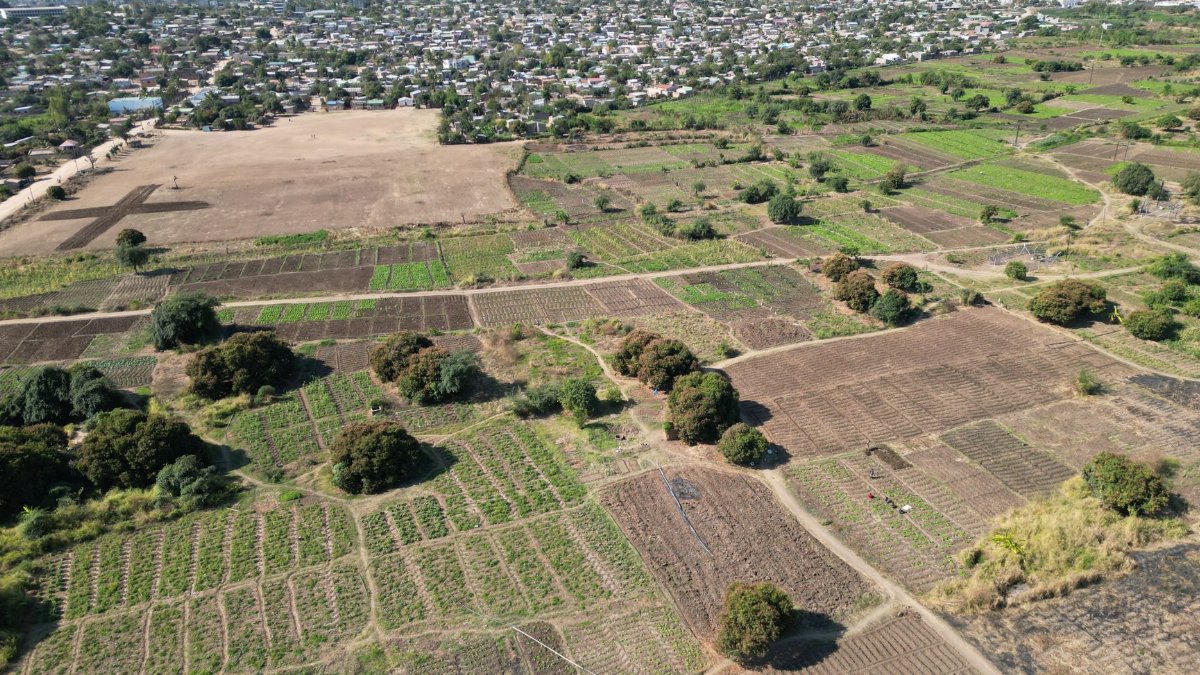
Agricultural producers across the state navigate volatile commodity prices alongside supply chain disruptions that affect daily operations. Families in these areas often depend on stable federal policies for survival through difficult seasons. When inquiries arise about specific aid measures, however, direct engagement remains limited. Observers note that consistent media interaction could clarify positions and build trust over time.
Media Access Patterns Among Lawmakers
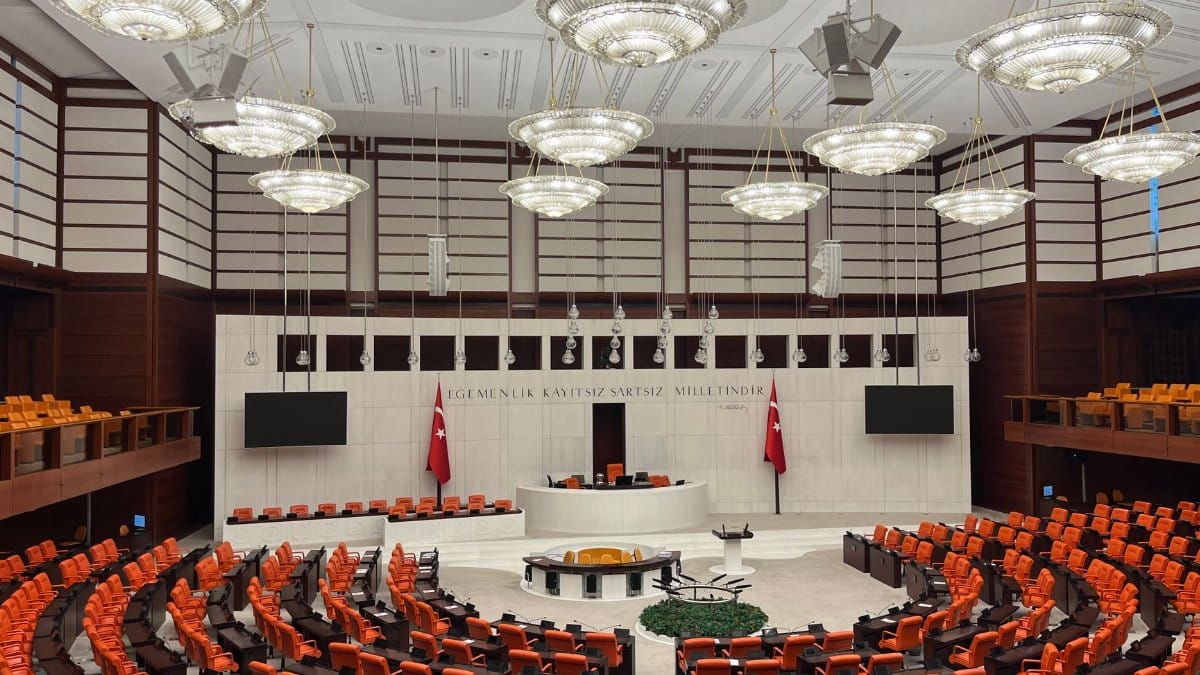
Several congressional figures from outstate districts have declined repeated interview requests on topics ranging from infrastructure funding to environmental regulations. This approach stands in contrast to more urban based colleagues who maintain regular availability. Public records show fewer joint appearances or town halls advertised in local outlets. The result leaves gaps in how policy decisions reach those most affected.
Accountability Questions Surface

Voters in rural precincts express frustration over the scarcity of detailed explanations on votes that shape their livelihoods. Without routine press exchanges, understanding the rationale behind legislative choices becomes harder. Some analysts suggest this distance may stem from tight schedules or strategic messaging choices. Others point to a need for stronger norms around constituent communication.
Historical Context of Rural Representation

Minnesota has long featured a mix of urban and countryside voices in its congressional delegation. Past generations saw more frequent local media sessions that informed coverage and public awareness. Shifts toward nationalized campaigns appear to have altered those habits in recent cycles. Restoring earlier practices might strengthen connections between offices and the regions they serve.
Impact on Local News Outlets

Smaller publications struggle to provide comprehensive reporting when primary sources remain unresponsive. This dynamic can reduce the depth of stories available to readers who lack alternative information channels. Journalists describe piecing together details from secondary documents and public filings. Sustained access would support more accurate portrayals of district needs.
Potential Paths Toward Greater Openness

Advocates propose scheduled briefings or written responses as practical steps to address information gaps. Such measures could demonstrate commitment to the communities that cast ballots in each election. Lawmakers who adopt them might see improved perceptions among constituents. Broader adoption across delegations could set a constructive example for others nationwide.
Broader Implications for Democratic Processes

Reduced interaction between representatives and independent media outlets risks weakening informed participation at all levels. Citizens benefit when elected leaders articulate stances on matters of shared concern. Patterns observed in Minnesota reflect trends noted elsewhere in similar districts. Addressing them directly could reinforce confidence in representative government.