

Many individuals facing ongoing health challenges discover unexpected allies in practices that quiet the mind and harness inner focus. Chronic Illness often brings a sense of helplessness, yet approaches drawing from mindfulness and hypnosis offer pathways to regain control and ease symptoms.
The Foundations of Mindful Awareness
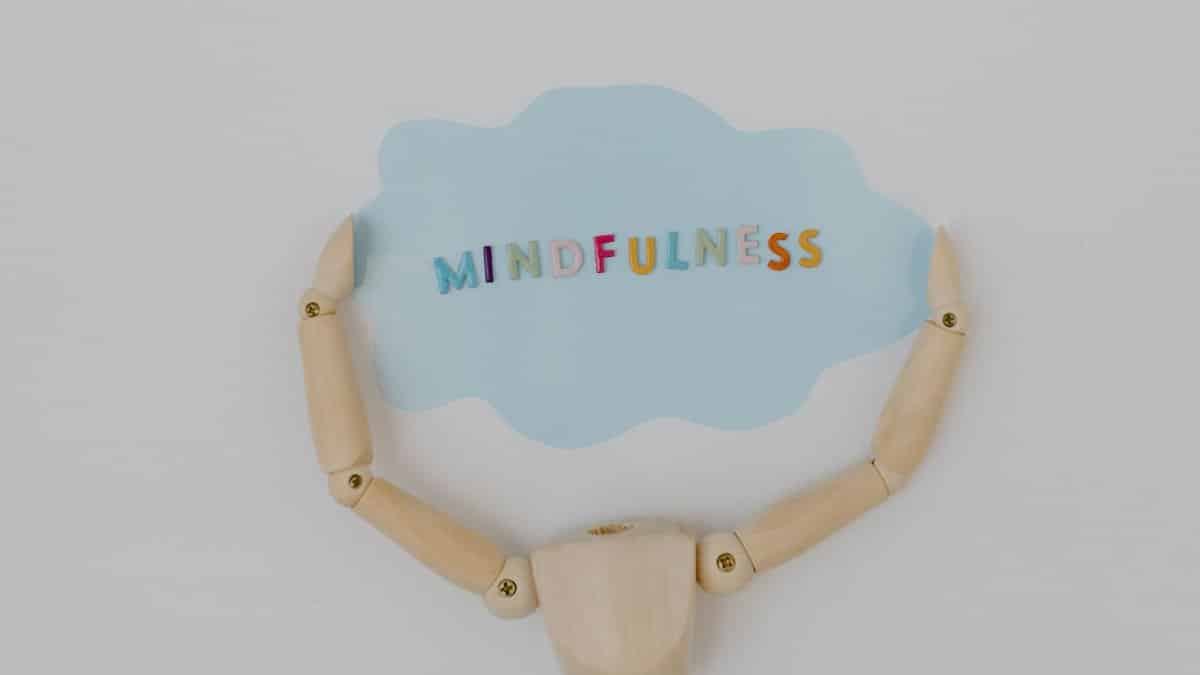
Mindfulness invites people to observe sensations and thoughts without immediate judgment. This steady attention can shift how discomfort registers in daily routines. Research from the University of Massachusetts Medical School shows participants reporting reduced pain perception after eight weeks of guided sessions. Such findings suggest a gradual rewiring of attention that supports steadier emotional responses over time.
How Hypnosis Complements Inner Resources

Hypnosis guides the imagination toward vivid scenes of comfort and strength. Trained practitioners help patients enter a relaxed state where suggestions align with personal goals for relief. The process does not replace medical care but adds a layer of mental rehearsal that many find sustaining during flare ups.
Building Daily Routines Around These Tools

Short morning pauses for breath awareness set a tone of presence before the day unfolds. Evening recordings of hypnotic scripts allow the body to release tension accumulated through hours of activity. Consistency matters more than duration, as small repeated efforts accumulate into noticeable shifts in outlook.
Stories of Adaptation and Renewal

One woman in her fifties learned to picture her joints surrounded by cooling light during hypnosis sessions. Over months she noticed she reached for pain medication less often while still honoring her physician advice. Her account echoes others who describe a renewed sense of agency even when physical limits remain.
Scientific Backing and Measured Outcomes

A review published in the Journal of Consulting and Clinical Psychology examined multiple trials and found moderate effects on symptom management for several chronic conditions. Readers can review the full analysis at https://www.apa.org/pubs/journals/ccp. These results encourage further exploration rather than promises of complete resolution.
Addressing Common Misunderstandings

Some worry that turning inward signals avoidance of reality. In practice the methods heighten awareness of bodily signals, allowing earlier recognition of limits and wiser pacing. The aim stays practical: fuller participation in valued activities despite ongoing constraints.
Integrating Practices With Medical Care

Physicians increasingly welcome patient use of these techniques as adjuncts. Open conversations about what feels helpful keep everyone informed and aligned. Hospitals in several regions now offer introductory workshops that pair clinical oversight with trained facilitators.
Exploring Imagination as a Source of Comfort

Hypnotic imagery often draws on memories of safe places or desired sensations. Patients craft personalized scenes that evoke calm or warmth. Over time the mind becomes quicker to access these internal refuges during stressful moments or medical procedures.
Longer Term Effects on Outlook

Beyond immediate symptom relief, regular engagement can foster greater acceptance of fluctuating energy levels. People report renewed capacity for relationships and creative pursuits once mental energy is less consumed by resistance. The changes unfold gradually and vary widely among individuals.
Resources for Further Exploration

The original discussion appears at https://www.mindful.org/mindfulness-and-hypnosis-tools-for-navigating-chronic-illness/. Local mindfulness centers and certified hypnotherapists provide entry points tailored to different needs and schedules. Starting with brief online introductions allows low pressure experimentation before committing to in person guidance.