

Many adults today struggle with the repeated cycle of losing weight only to see it return. This experience brings not only physical frustration but also a deep sense of personal disappointment that lingers long after the pounds reappear. Yo Yo Dieting has become a common term for this back and forth pattern yet the emotional toll it takes often goes unspoken in public discussions. Observers note how such journeys unfold quietly in homes and workplaces where expectations around appearance remain high.
The Quiet Burden of Repeated Efforts
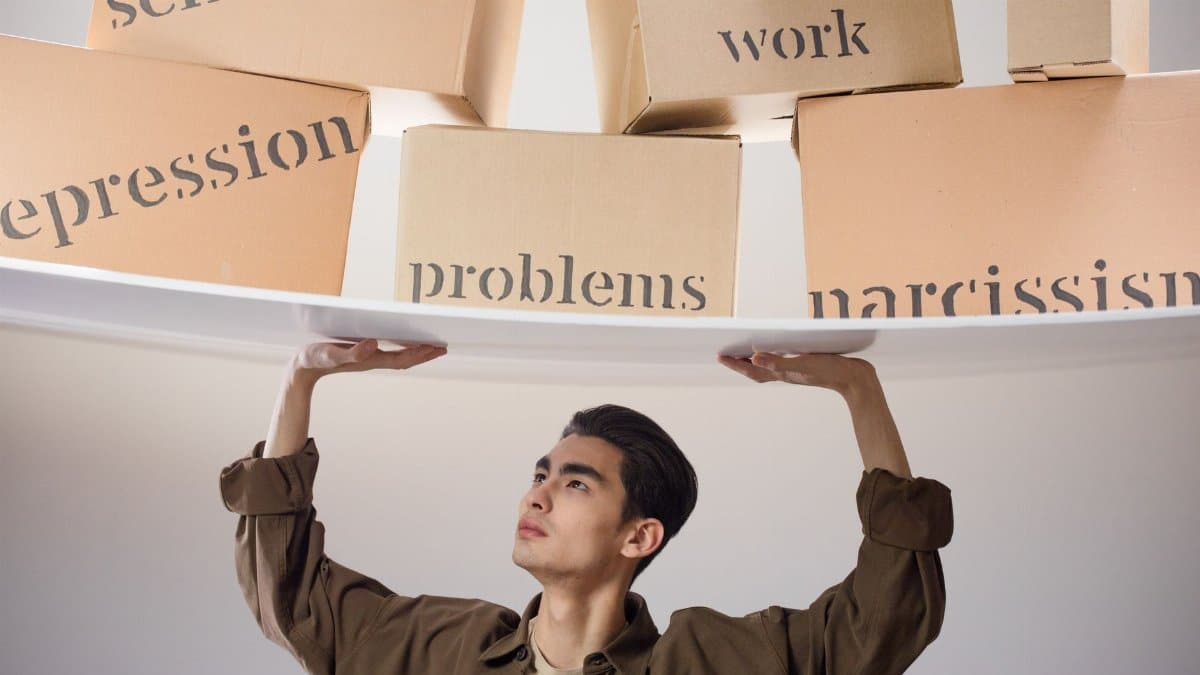
Observers describe how individuals invest months in careful meal planning and activity routines only to confront a return of former habits. Friends and family may offer support at first but that encouragement fades when progress stalls. The result leaves many questioning their own resolve rather than examining external pressures such as work stress or limited access to fresh foods.
Shifting Views on Physical Health Risks
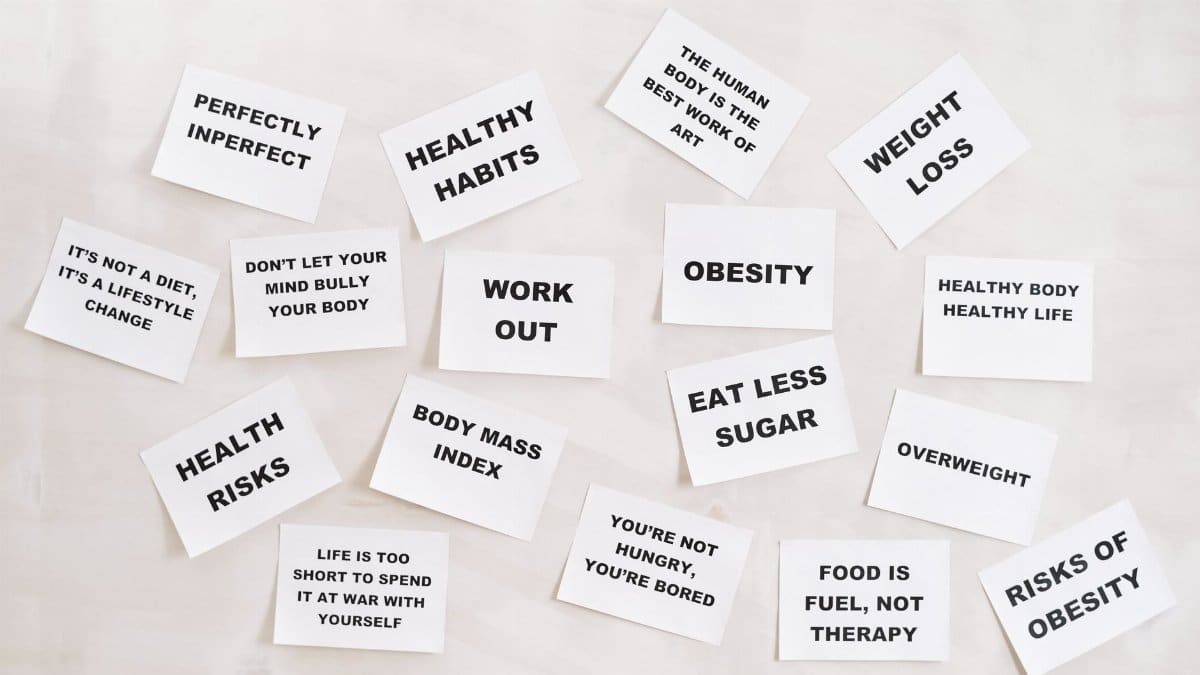
Recent analyses from university research teams suggest that moderate weight changes over time do not carry the severe cardiovascular threats once emphasized in older reports. Data collected from large participant groups indicate that consistent activity levels matter more than maintaining one fixed number on the scale. These findings encourage a broader look at daily habits instead of strict numerical targets.
Emotional Layers Behind Each Attempt

Feelings of inadequacy surface when clothes no longer fit as they once did. Some people report avoiding social gatherings during periods of regain because comments from others feel unavoidable. Counselors working in this area observe that these reactions stem from cultural messages linking thinner frames with greater discipline and success.
Role of Media Images in Daily Life

Photographs in magazines and online feeds present narrow versions of acceptable body shapes. Middle aged readers in particular encounter these portrayals during routine browsing and compare them with their own reflections. Over time such exposure reinforces the idea that any deviation signals personal shortcoming rather than normal variation among adults.
Practical Steps Away From Strict Cycles

Nutrition specialists recommend focusing on sustainable additions such as regular walks and balanced plates instead of complete eliminations of food groups. Small adjustments accumulate without the sharp restrictions that often precede later rebounds. Community programs in several cities now emphasize group walks and shared cooking sessions to build steady routines.
Support Networks and Their Influence

Local discussion circles allow participants to share experiences without judgment. These gatherings reduce isolation by showing how widespread the pattern of regain remains across different backgrounds. Professional guidance from therapists trained in body image concerns adds another layer when internal criticism grows strong.
Long Term Outlook for Well Being

Evidence points toward improved mental health when attention moves from scale readings to energy levels and strength. Adults who adopt this view report greater consistency in movement and food choices over months and years. Broader acceptance of varied body sizes within families further eases the pressure that fuels repeated restrictive phases.
Future Directions in Public Conversations

Advocates push for medical checkups that address overall vitality rather than weight alone. Policy discussions at state levels explore better funding for accessible fitness options in underserved neighborhoods. Such changes could alter how future generations approach their own health without the same weight of repeated disappointment.