
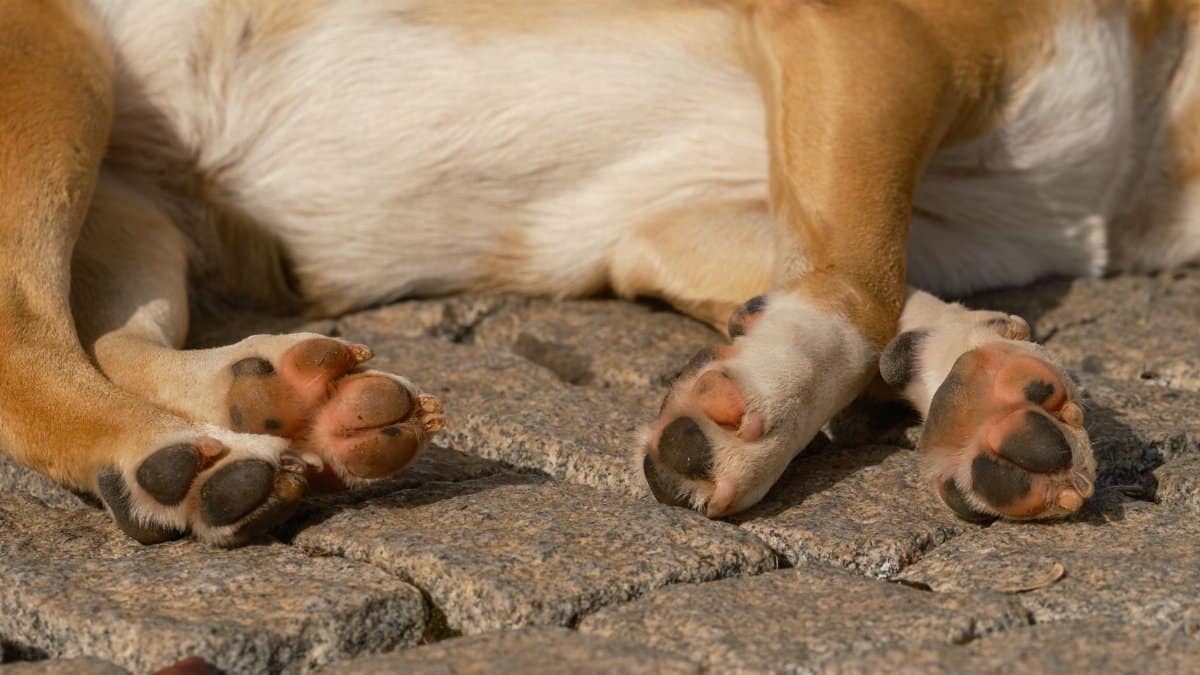
Many pet owners observe their dogs reaching for toys or navigating stairs with a clear favorite limb. This consistent choice reflects a deeper pattern called Dog Pawed that scientists now study with structured methods. The idea challenges assumptions that only humans show such sidedness and opens questions about how animals process the world around them.
Understanding the Basics of Limb Preference in Dogs
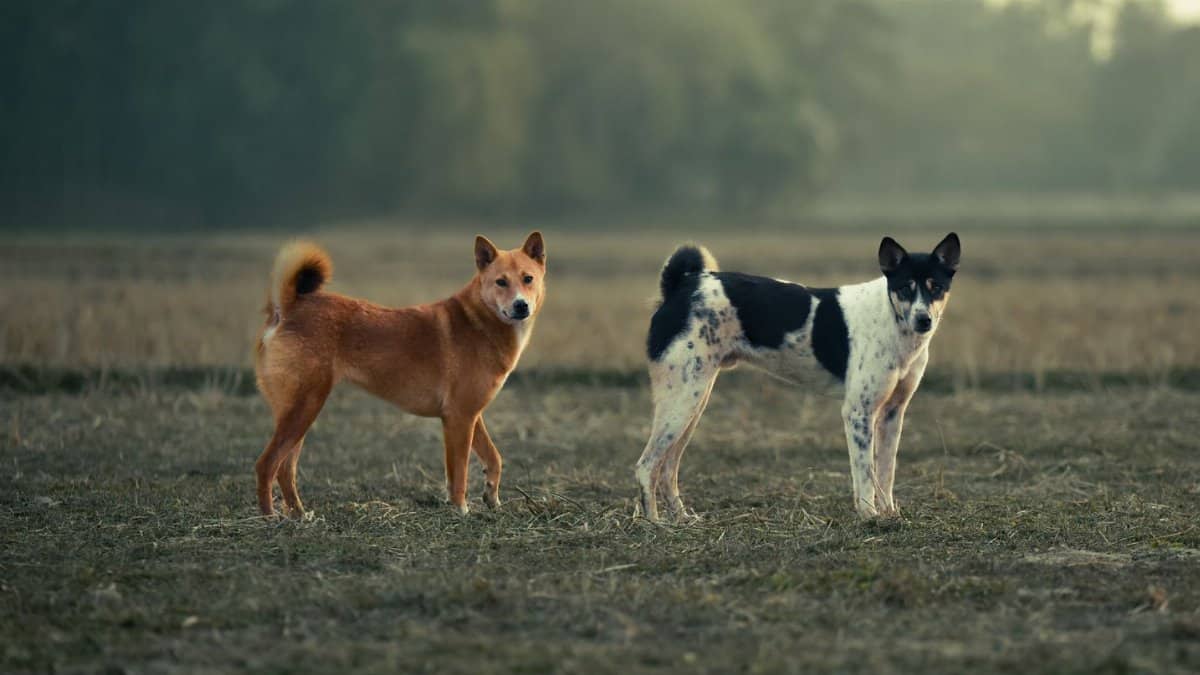
Dogs display paw choices much like people favor one hand. Researchers track these patterns through repeated tasks that reveal whether an animal leans left or right. Such tests help map brain organization and may connect to temperament traits observed over time.
Developing a Standardized Approach Like the Doginburgh Inventory

A recent effort produced a uniform protocol for assessing paw use across breeds. Owners place treats inside tubes or on surfaces that require deliberate paw action. Multiple trials produce reliable scores that indicate overall sidedness without relying on casual observation alone.
What Paw Preference Reveals About Canine Cognition
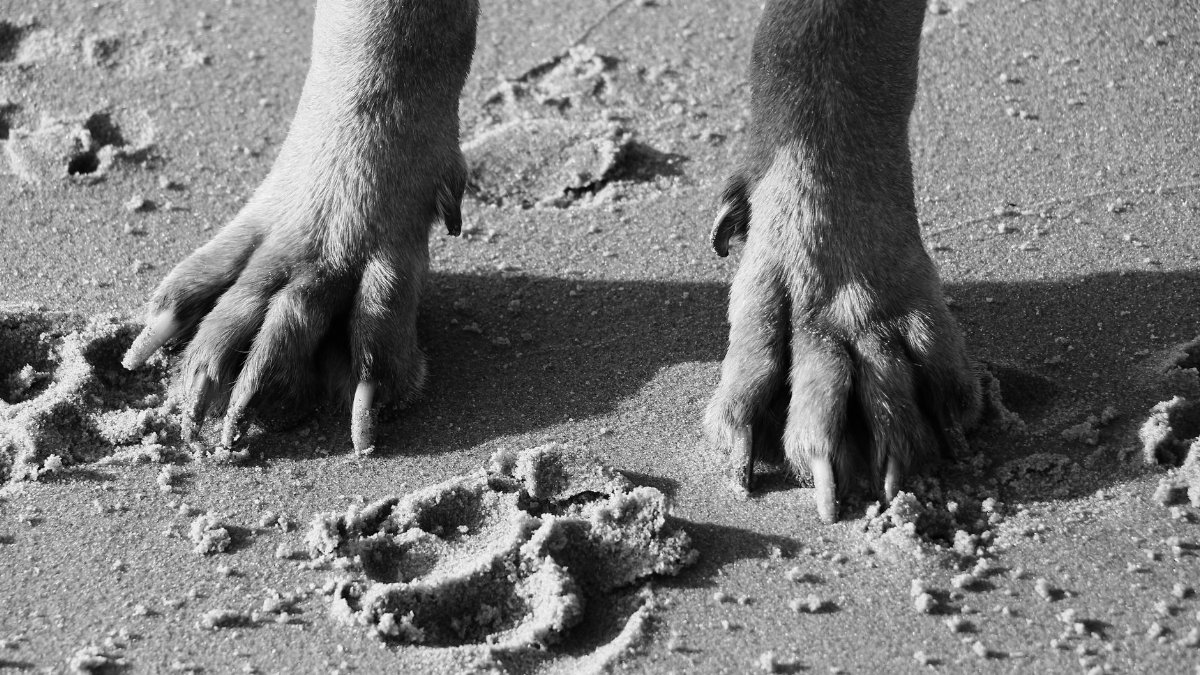
Animals with strong preferences often solve spatial problems faster in certain contexts. Data from controlled settings suggest links to attention and learning speed. These findings encourage trainers to consider individual tendencies when introducing new skills.
Practical Steps for Owners to Test Their Own Pets

Simple household items allow anyone to gather initial observations. A food filled tube or a step up exercise repeated over several days yields consistent results. Recording each attempt builds a small data set that clarifies whether the dog shows Dog Pawed leanings.
Connections to Personality and Daily Behavior

Some studies note that dogs with pronounced sidedness approach novel situations differently. They may hesitate more or explore with greater caution depending on the favored side. Such patterns invite owners to adjust routines around observed comfort levels.
Breed Variations and Population Trends

Larger surveys indicate differences across groups though no single breed proves entirely one sided. Mixed results point to both genetic and environmental influences shaping outcomes. Continued collection of records will clarify these distributions over larger samples.
Implications for Training and Enrichment Activities
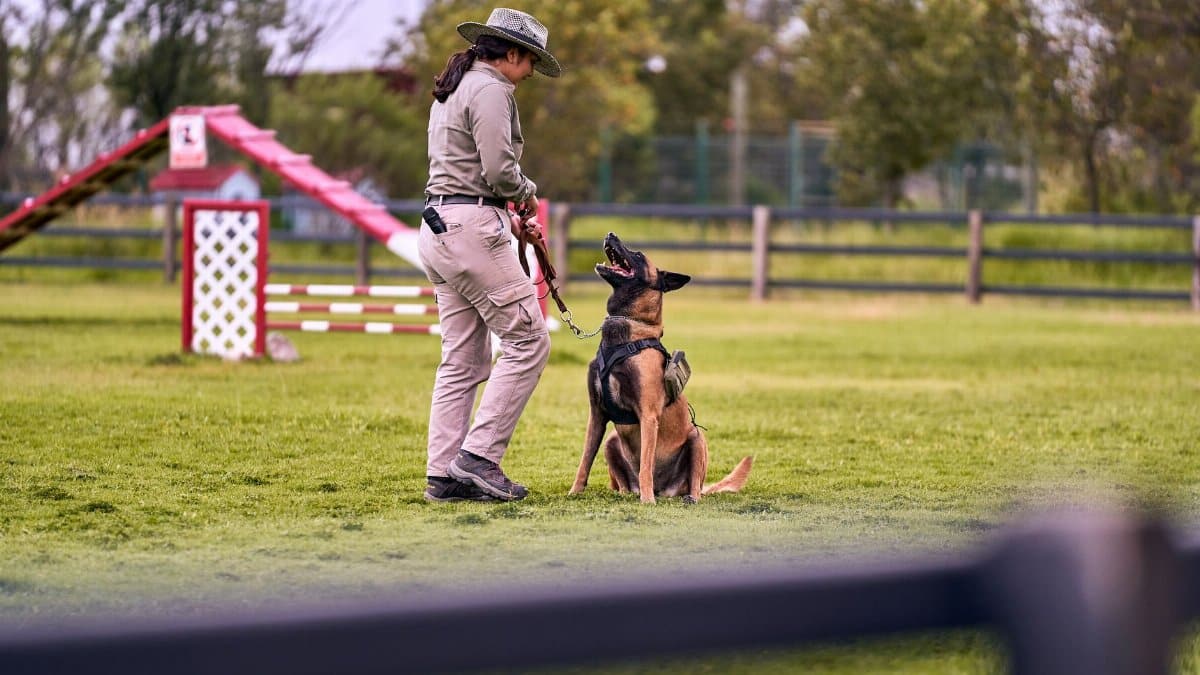
Recognizing a dogs favored paw helps tailor games and exercises. Placing objects on the less used side encourages balanced muscle development. Trainers increasingly incorporate this awareness to prevent strain during repetitive drills.
Future Directions in Animal Laterality Research
Expanded protocols may soon include home based apps that aggregate owner reports. Such tools could refine population estimates and identify rare cases where preference shifts with age or health changes. The field continues to grow through collaboration between labs and everyday observers.