

Many adults assume depression manifests through familiar signs such as persistent sadness or loss of interest in daily routines. Yet a growing body of research indicates that individuals with advanced cognitive capacities often process and communicate emotional distress in ways that diverge from standard expectations. This divergence creates what some clinicians now term Intelligent Depression, a pattern where high reasoning skills intersect with mood disturbances in distinctive manners. As screening methods remain rooted in older models, they risk overlooking or misinterpreting the experiences of this group, leaving many without appropriate support.
Variations in Symptom Presentation
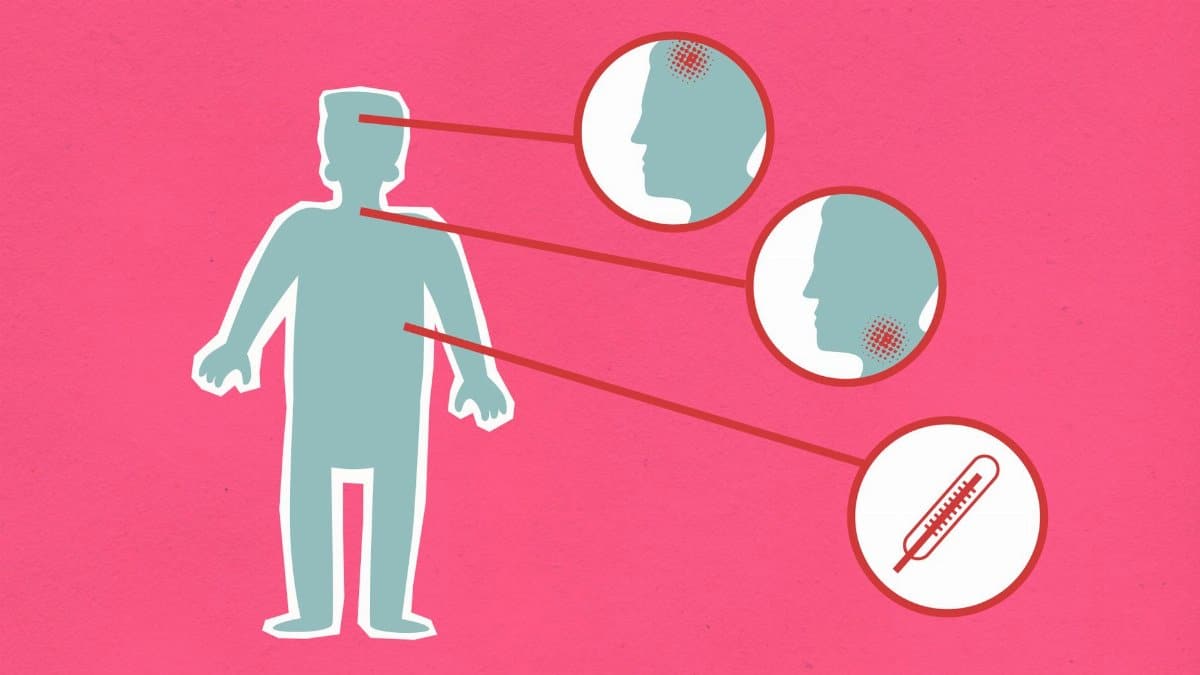
People who excel in analytical thinking frequently describe their low moods through intellectual frameworks rather than raw emotional terms. They may focus on existential questions or patterns of thought instead of reporting classic markers like fatigue or appetite shifts. Clinicians note that such descriptions can lead assessments to register lower severity scores even when underlying distress runs deep.
Shortcomings in Traditional Questionnaires

Standard tools rely on items developed from broad population samples that emphasize straightforward affective language. For those accustomed to complex internal dialogue these items may not capture nuances such as heightened self scrutiny or abstract rumination. Consequently scores can appear inconsistent with actual functional impairment.
Cognitive Factors Shaping Self Reports
Superior verbal ability allows some individuals to reframe symptoms in ways that minimize apparent problems during evaluations. They might intellectualize feelings to maintain a sense of control, resulting in responses that understate the daily impact. Observers in therapeutic settings have documented how this tendency delays recognition until external life disruptions become evident.
Insights from Contemporary Research
A study detailed at https://www.scientificamerican.com/article/depression-scales-may-not-work-the-same-for-highly-intelligent-people/ examined response patterns among participants with elevated intelligence metrics. Findings showed systematic differences in how items about hopelessness or concentration were interpreted and answered. The authors recommend supplementary interview techniques to supplement numeric scales.
Experiences Among Professionals and Academics

Executives and scholars often recount periods of profound disengagement masked by continued productivity. Colleagues may perceive steady output while the individual privately navigates cycles of intense analysis that feed rather than relieve distress. Such accounts illustrate why workplace wellness programs built on generic checklists sometimes fail to reach this demographic.
Adjustments Needed in Clinical Settings

Practitioners increasingly advocate for flexible dialogue that invites elaboration beyond fixed response options. Allowing space for detailed narrative descriptions helps surface elements of Intelligent Depression that checklists miss. Training programs for mental health providers now incorporate modules on recognizing these alternative expressions.
Broader Social Implications

Public discourse around mood disorders tends to emphasize uniformity in experience which can marginalize those whose symptoms align with higher cognitive profiles. This mismatch contributes to underutilization of services among educated cohorts who sense their stories do not match prevailing portrayals. Greater awareness may encourage more tailored outreach.
Pathways for Improved Evaluation

Developers of future instruments are exploring adaptive formats that adjust phrasing based on preliminary cognitive indicators. Pilot versions integrate open ended prompts alongside scaled items to better accommodate varied expressive styles. Early trials suggest improved alignment between reported experience and measured outcomes.
Looking Ahead in Mental Health Approaches
As understanding of Intelligent Depression expands the field moves toward assessments that honor individual differences in thought and language. Collaboration between psychometricians and specialists in cognition promises refinements that benefit diverse populations. Ultimately more precise tools could reduce the number of capable adults who suffer in silence.