
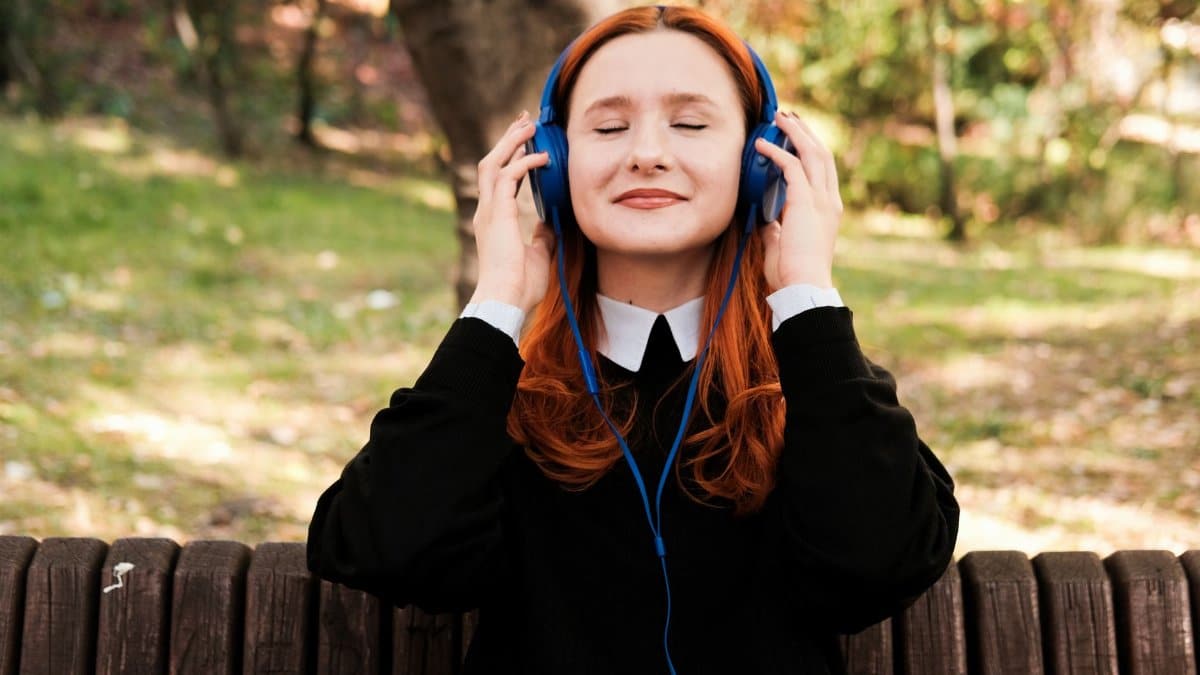
In clinics across the country therapists have begun to incorporate melodic interventions as a means to support patients facing various challenges. One approach known as Music Therapy stands out for its ability to reach individuals when words fall short. Practitioners report seeing profound shifts in those who engage with structured sound sessions over time. This practice draws from both artistic traditions and emerging understandings of human perception.
Historical Roots of Healing Through Sound

Ancient societies turned to rhythmic patterns during rituals and recovery processes. Communities passed down songs believed to ease physical discomfort and restore balance within the body. Over centuries these methods evolved into more organized frameworks used by modern caregivers. Scholars trace early documented uses to various global cultures where sound served as a bridge between the physical and the emotional.
How Rhythm Influences Brain Activity
Sound patterns activate regions tied to movement and memory at once. Research indicates that steady beats can help regulate breathing and heart rate during tense moments. Patients often show increased focus after repeated exposure to tailored sequences. Such responses suggest a direct pathway from auditory input to neural coordination.
Applications in Memory Support
Individuals with recall difficulties sometimes reconnect to past events through familiar tunes. Sessions encourage participants to hum or tap along which strengthens neural pathways linked to recollection. Care teams note gradual gains in daily orientation for those who attend consistently.
Emotional Release in Group Settings
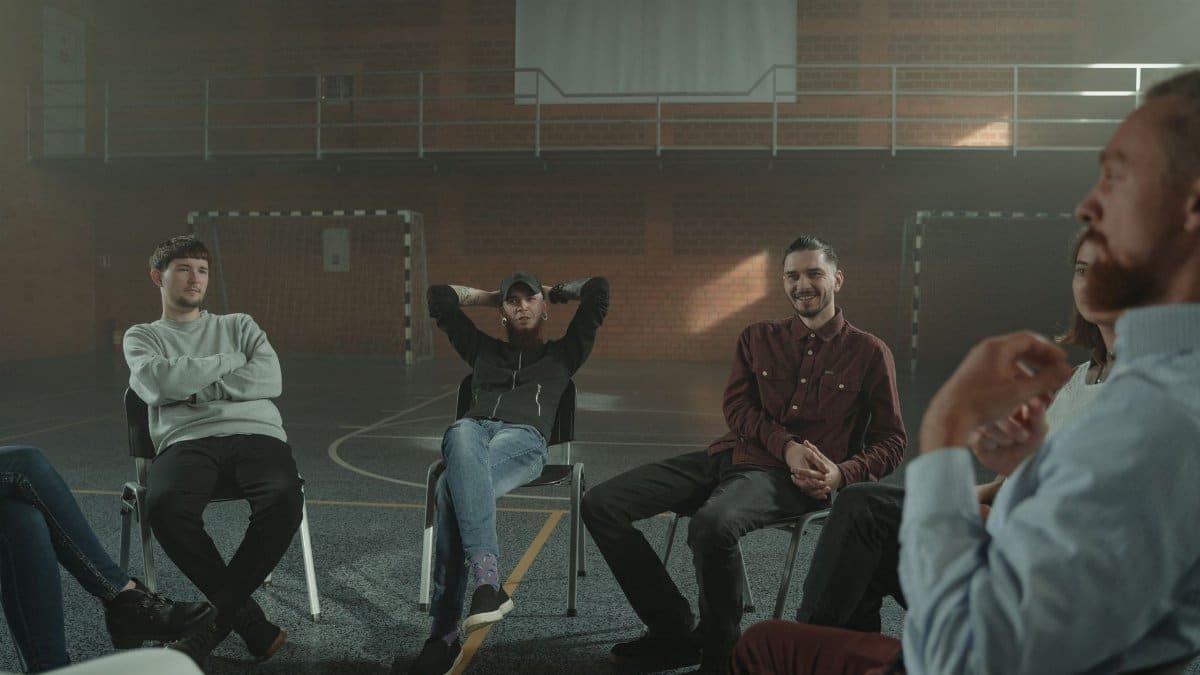
Shared listening experiences foster connections among participants who might otherwise remain isolated. Facilitators guide discussions after each piece allowing feelings to surface in a contained space. Many describe a sense of relief that lingers beyond the session itself.
Integration With Standard Medical Care

Hospitals increasingly pair melodic sessions with conventional treatments to address overall wellbeing. Doctors observe that patients appear more receptive to other therapies when sound precedes them. This complementary role continues to gain acceptance in clinical guidelines.
Training Requirements for Practitioners

Professionals complete specialized programs that blend musical skill with psychological insight. Certification ensures consistent delivery across diverse populations and settings. Ongoing education keeps methods aligned with fresh findings in perception studies.
Future Directions for Sound Based Support
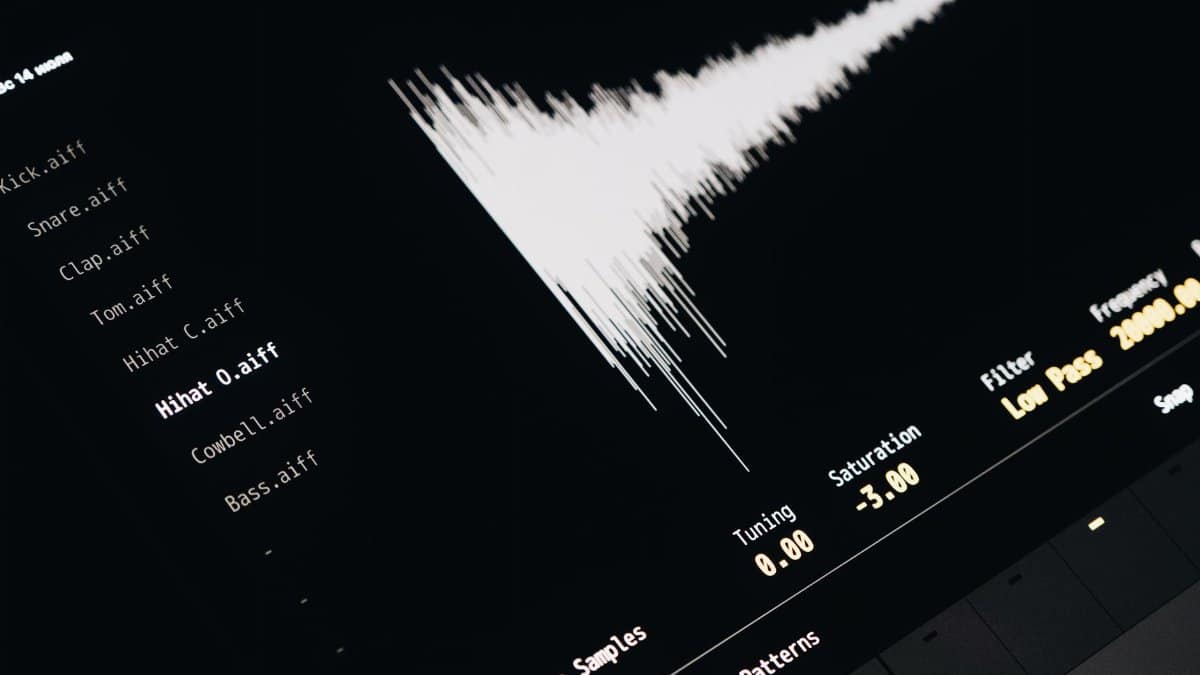
Ongoing trials examine expanded uses in areas such as stress reduction and social skill building. Developers explore technology that personalizes playlists based on real time feedback from listeners. Interest from policy makers may lead to broader availability in public health systems.