

In the soft glow of a laptop screen after dinner many middle aged Americans make choices that feel harmless in the moment. A new kitchen appliance here. An upgraded hiking jacket there. With buy now pay later services the transaction requires no immediate money to leave their accounts. Only a gentle promise to pay in installments. What begins as convenient relief however slowly builds into something heavier. These digital tools marketed as helpful bridges over temporary gaps are creating fresh financial stressors that weigh on mental health and emotional equilibrium. The ease of clicking through checkout has reshaped how we relate to desire and obligation in ways that touch deeper currents of life satisfaction and inner stability.
The Rise of Seamless Spending
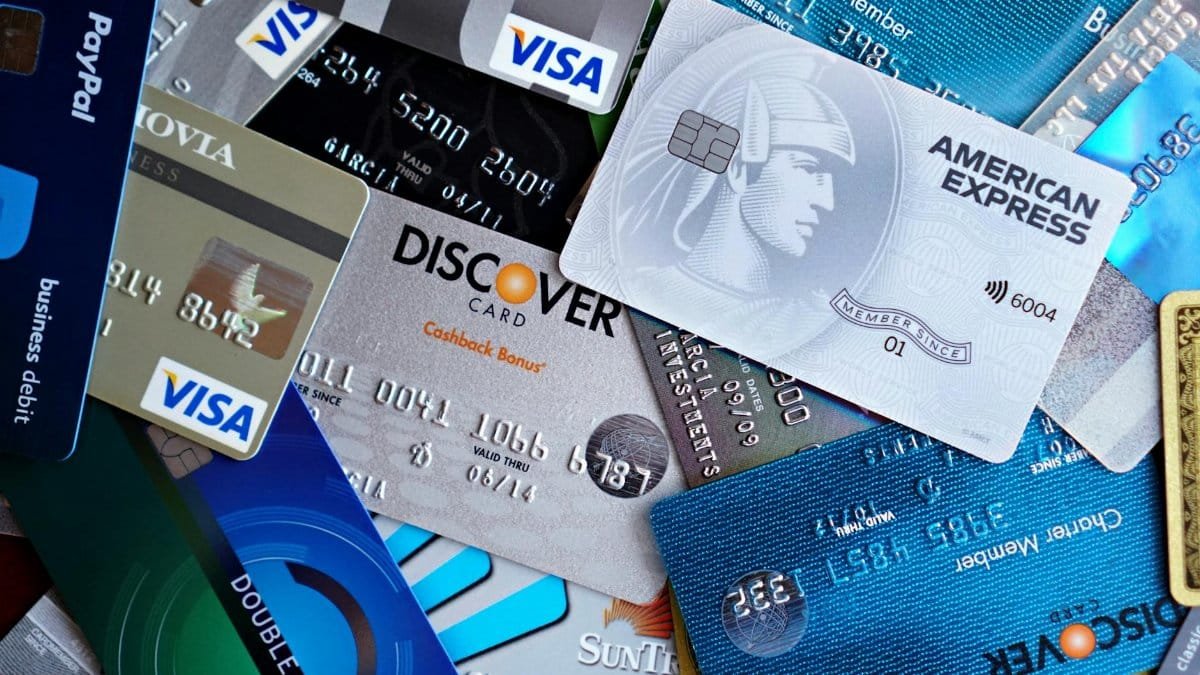
Buy now pay later programs have moved from niche offering to mainstream expectation. Companies like Affirm Klarna and Afterpay report millions of users who rely on their platforms for everything from clothing to furniture to medical procedures. What sets these services apart is the near invisibility of the financial commitment. Shoppers complete a purchase and the payment plan appears almost as an afterthought. Retailers enjoy higher conversion rates while the lending companies collect fees from merchants or late penalties from consumers. This alignment of incentives has fueled explosive growth particularly among consumers aged thirty five to fifty five who carry existing responsibilities such as mortgages college tuition and aging parents.
Understanding Buy Now Pay Later Programs

At their core these platforms function as short term installment loans. Many advertise interest free periods if payments stay on schedule. Others carry annual percentages that can reach nearly thirty percent. The approval process often skips traditional credit checks in favor of softer data points creating an illusion of risk free spending. For users already navigating tight budgets the structure can feel like a lifeline. Yet the cumulative effect of multiple active plans frequently leads to a fragmented cash flow that makes basic monthly expenses harder to predict and manage. The very design that removes upfront barriers also removes the natural pause that once existed between wanting and acquiring.
The Psychological Traps Involved

Human brains respond powerfully to immediate rewards. When the pain of payment is delayed dopamine flows more freely and critical evaluation narrows. Behavioral researchers have documented how this delay creates what feels like found money. Middle aged consumers who pride themselves on responsible habits can suddenly find their self image at odds with mounting obligations. One study participant described the experience as a slow motion unraveling where each small decision seemed rational until the collective weight became overwhelming. The constant presence of payment reminders through text and email further erodes any sense of control or peace.
Real Impacts on Daily Lives

Consider the experience of a fifty two year old teacher in Ohio who began using three different buy now pay later accounts to cover back to school costs. Within six months her carefully maintained budget had fractured into competing due dates. Sleep became difficult. Conversations with her spouse grew tense. Small joys such as weekend hikes lost their restorative quality as background anxiety about upcoming payments intruded. Stories like hers appear with striking frequency across income levels. The common thread is not reckless shopping but the gradual normalization of debt that once would have required more deliberate consideration.
When Convenience Becomes Burden

Financial stressors of this nature differ from traditional debt because they often hide in plain sight. Unlike a single consolidated loan these obligations scatter across multiple retailers and due dates. The resulting mental load can manifest as decision fatigue irritability and diminished capacity for long term planning. Many users report avoiding opening their banking applications altogether a form of financial dissociation that only compounds the original problem. What began as a tool for empowerment quietly becomes a source of dread that follows people into otherwise peaceful moments.
Financial Stressors in the Digital Age

The emergence of these financial stressors coincides with broader societal shifts toward frictionless technology. Mobile applications learn individual spending patterns and present tempting offers at precisely the right moment. Predictive algorithms know when a person might feel vulnerable to impulse such as late evening hours or stressful workweeks. This sophisticated targeting raises important questions about responsibility. While personal agency remains central the digital environment is deliberately engineered to bypass rational deliberation. The result is a new category of financial stressors that feel uniquely modern yet tap into very old human vulnerabilities around scarcity and abundance.
Linking Money Troubles to Spiritual Wellbeing

Beyond balance sheets these financial stressors affect something more profound. Many spiritual traditions emphasize contentment stewardship and freedom from excessive attachment. When payment notifications interrupt moments of prayer or meditation the mind fragments. Practitioners report difficulty maintaining gratitude practices when future obligations loom. The constant mental budgeting leaves less room for presence with family or connection to something larger than daily concerns. In this sense buy now pay later services do not merely create monetary complications. They can quietly erode the inner spaciousness that spiritual life requires. Restoring financial clarity often becomes part of a larger journey toward wholeness and intentional living.
What the Research Shows

According to findings examined by the American Psychological Association those who frequently engage with digital installment payments report elevated stress levels that persist even after accounts are settled. The report available at https://www.apa.org/monitor/2026/04-05/financially-stressed-digitally-tempted links these patterns to increased symptoms of anxiety and disrupted sleep. Additional academic work from behavioral economists suggests the effect is particularly pronounced for middle aged adults who already balance multiple financial roles. The data paints a consistent picture. Convenience purchased at the price of future peace of mind often costs more than advertised.
Expert Opinions on the Matter

Financial therapists note that clients increasingly arrive with shame not about large extravagant purchases but about the cumulative effect of many small ones. Psychologists specializing in money disorders describe a phenomenon called payment dissociation where the brain treats digital promises as somehow less real than cash. Spiritual counselors working with faith communities observe parallel themes of fractured attention and diminished trust in providence. Across disciplines the consensus emerges that these modern financial stressors require both practical and reflective responses rather than simple budgeting advice alone.
Finding Balance and Setting Boundaries
Some consumers have begun treating buy now pay later options with the same caution once reserved for credit cards. They impose personal rules such as waiting forty eight hours before completing any purchase or limiting active plans to one at a time. Others have deleted saved payment information entirely forcing a fresh decision each time. These small acts of resistance create space for discernment. The goal shifts from maximizing convenience toward aligning spending with genuine values and available resources. Such practices echo ancient wisdom about mindful consumption that transcends any particular religious tradition.
Practical Steps Toward Financial Peace
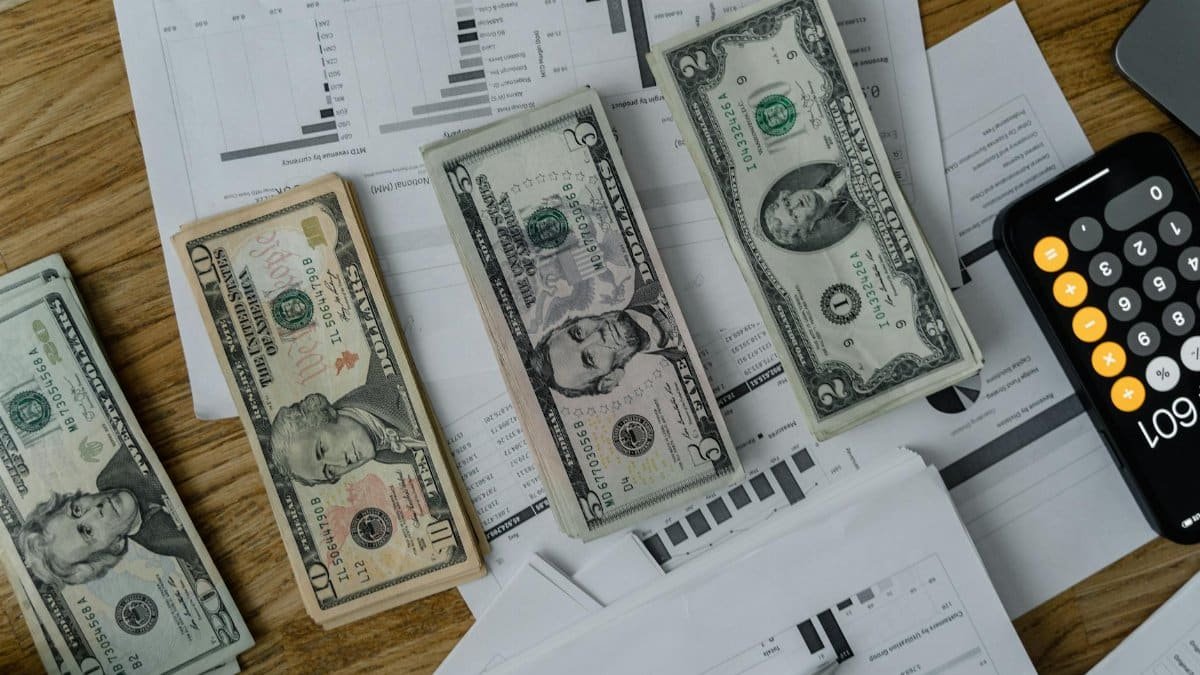
Creating sustainable change begins with awareness. Tracking every active plan in one central location removes the scattered quality that breeds anxiety. Setting aside a small monthly cushion specifically for unexpected payments can prevent small lapses from snowballing. Many find that discussing these challenges openly with trusted friends or mentors reduces the isolating power of financial stressors. Some incorporate simple contemplative practices such as reviewing upcoming payments in a calm morning hour rather than reactive late night scrolls. Over time these habits rebuild both financial margins and a sense of agency that supports broader spiritual and emotional health.
Broader Societal Implications

The widespread adoption of buy now pay later reflects deeper cultural currents around instant fulfillment and normalized debt. As these services target younger generations the patterns established now may shape financial norms for decades. Policymakers have begun examining whether additional disclosure requirements or cooling off periods might protect consumers without stifling innovation. Yet individual responsibility cannot be outsourced entirely. Societies that value spiritual and psychological wellbeing may need to reconsider how technology companies design products that profit from human susceptibility to temptation.
The Path Forward with Awareness

Ultimately the conversation about these digital payment options returns to fundamental questions about what constitutes a good life. Financial stressors need not define us. With deliberate attention and community support many people successfully recalibrate their relationship to spending and acquiring. The same technology that created new problems can also provide tools for greater transparency through budgeting applications and automated savings features. What matters most is cultivating the inner capacity to pause between impulse and action. In that space lies the possibility for choices that honor both present needs and future peace. For middle aged readers who have witnessed dramatic changes in commerce and technology this moment offers an opportunity to model something different for the next generation: a more conscious relationship with money that supports rather than undermines spiritual and emotional flourishing.