
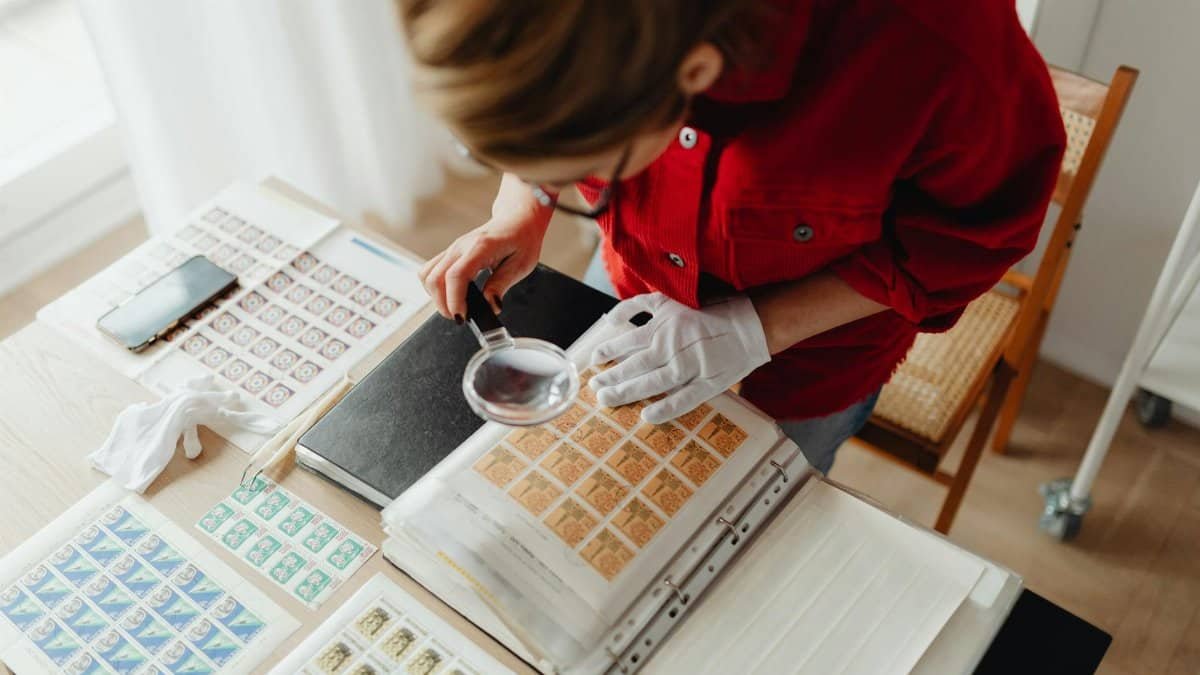
In the soft light of a study lined with wooden shelves, a retired teacher named Eleanor carefully unwraps a new addition to her vintage button collection. Each piece tells its own story of fashion trends long gone and hands that once fastened them. Scenes like this unfold in homes throughout the nation, revealing a quiet yet powerful part of human experience. Humans Collecting represents far more than accumulation. It serves as a bridge to memory, a source of calm, and a path toward deeper self understanding in an often fragmented world.
This impulse appears across countless forms. Stamp albums, baseball cards, antique tools, and yes, even Pokemon cards that first captured imaginations decades ago continue to hold fascination well into middle age. What drives this behavior? Research suggests profound emotional and cognitive rewards that enhance wellbeing and foster a sense of continuity. Far from childish, these pursuits offer middle aged adults a meaningful way to engage with the past while building personal narratives that feel both grounding and sacred.
The Ancient Roots Of Acquisition

Evidence of humans gathering objects dates back tens of thousands of years. Early societies collected stones with unusual patterns, shells, and tools not solely for utility but for their symbolic power. These early collections likely strengthened social bonds and marked individual identity within groups. The practice has endured because it answers something primal in us.
Today that same drive manifests in more organized ways. Whether hunting for rare first editions or regional pottery, collectors tap into an evolutionary inheritance that once helped ensure resource security and cultural transmission. This continuity across time offers a spiritual dimension, connecting modern enthusiasts to ancestors who similarly sought meaning through the tangible.
The Excitement Of Discovery
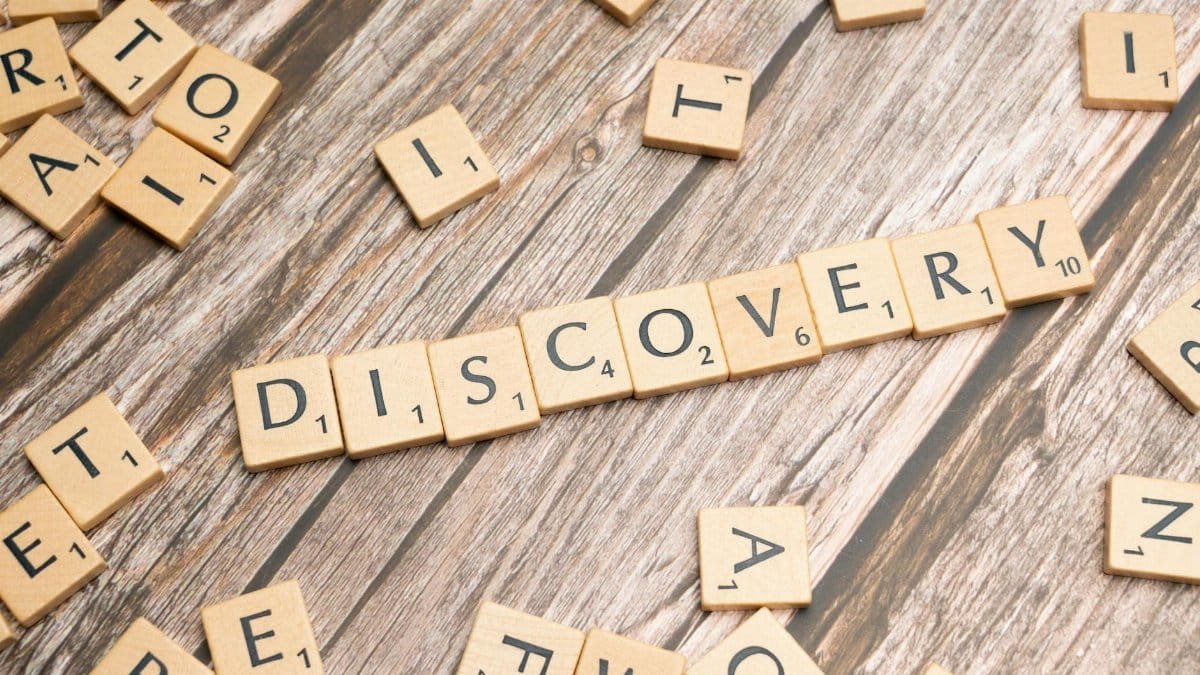
The hunt itself delivers one of the strongest draws. That moment of spotting a missing piece at a flea market or online auction triggers genuine neurological reward. Studies indicate increased dopamine flow during successful searches, creating a natural high that boosts mood and motivation. A 2018 paper from the University of Cambridge explored how this anticipation phase often proves more satisfying than the actual possession.
For many middle aged collectors this thrill provides healthy excitement amid routine responsibilities. The focused attention required mirrors meditative states, pulling participants fully into the present. One enthusiast described the search as a form of active hope, a reminder that unexpected beauty still awaits those willing to look carefully.
Objects As Mirrors Of The Self
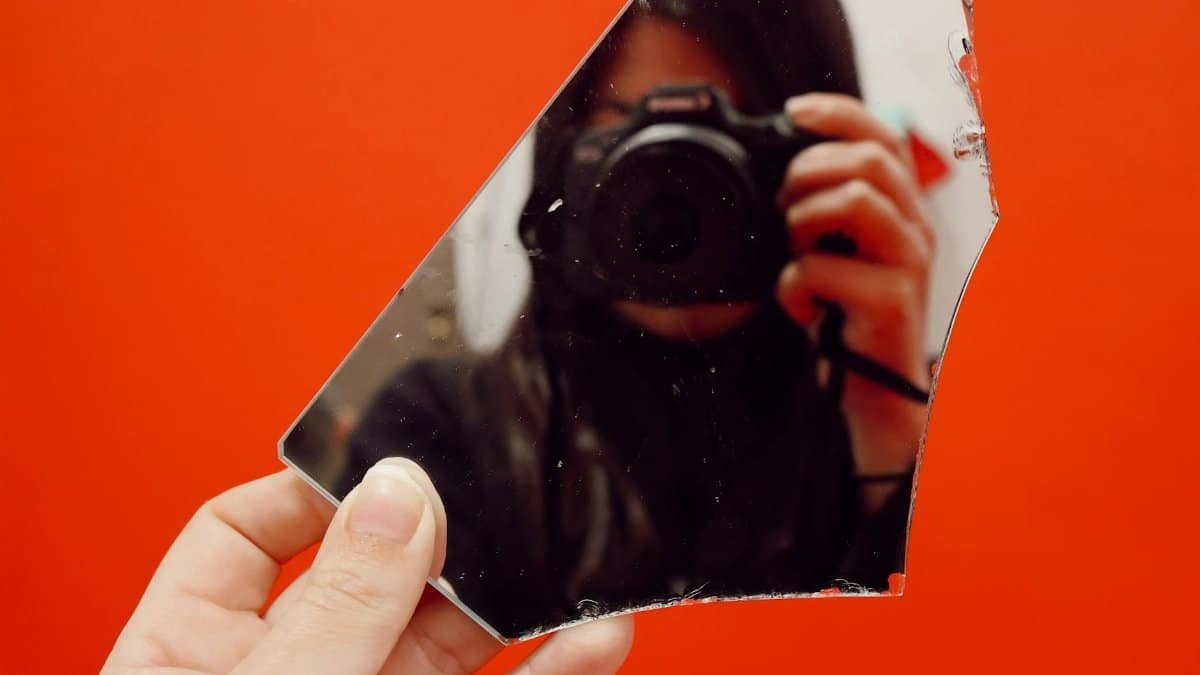
What we choose to collect often reflects core aspects of personality and life experience. The former traveler who gathers currency from visited countries constructs a tangible map of personal history. The music lover preserving vinyl records maintains connection to formative moments of youth. These collections become extensions of identity rather than mere possessions.
Psychologists note that curating such assemblages helps reinforce self esteem and provides narrative coherence to life stories. In a culture that frequently emphasizes letting go and decluttering, the deliberate choice to hold onto selected objects can feel like an act of self affirmation. This process carries spiritual weight as individuals essentially create personal museums that chronicle their journey through time.
Imposing Order Upon Chaos

Modern life often feels unpredictable and overwhelming. Building and maintaining a collection offers a manageable sphere where one can exercise complete control. The act of sorting, cataloging, and displaying brings structure to a small corner of existence. This ordering process delivers measurable reductions in anxiety according to research shared on the Happiful platform.
Many collectors describe their sessions as therapeutic. The tactile engagement combined with systematic arrangement creates a flow state similar to mindfulness practices. For those navigating career transitions or empty nest years, this ordered pursuit supplies purpose and accomplishment that might otherwise prove elusive. The collection becomes both anchor and sanctuary.
The Power Of Memory And Sentiment
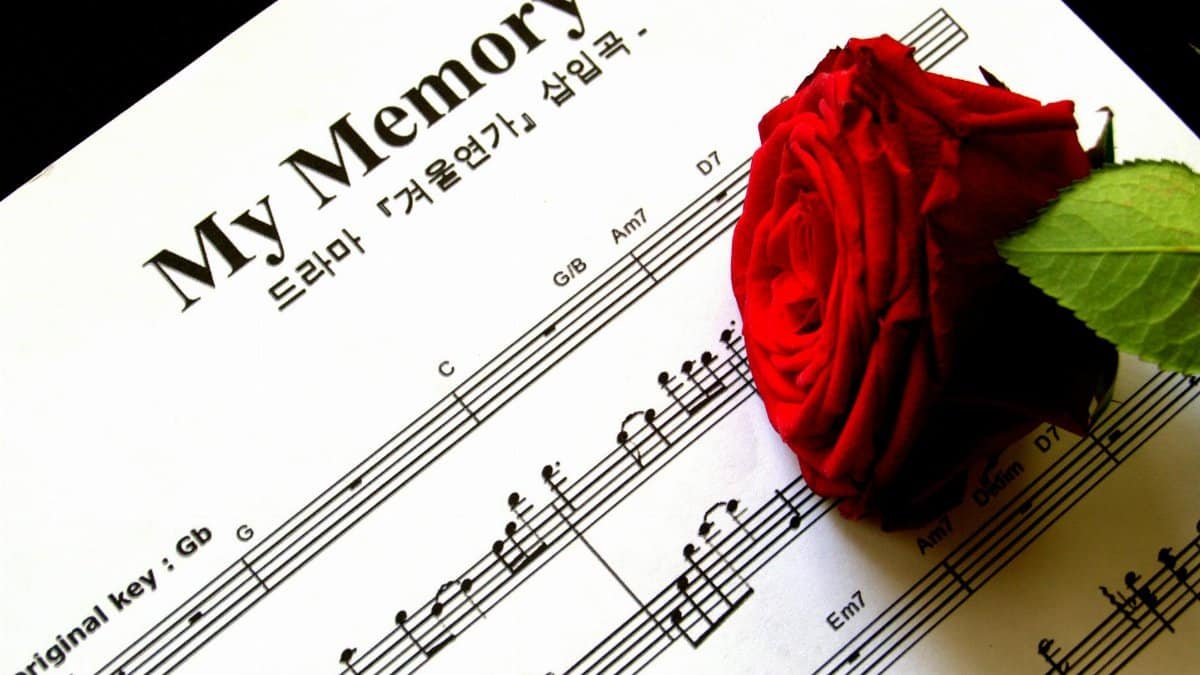
Objects possess remarkable ability to evoke specific times and emotions. A particular stamp series might recall childhood correspondence with a grandparent. Certain figurines could transport someone back to travels taken during early marriage. These connections explain why collecting resonates so strongly with readers in their forties, fifties, and beyond who increasingly value reflection.
This nostalgic dimension carries spiritual significance. By preserving items tied to meaningful experiences, collectors practice a form of gratitude and remembrance. The objects serve as touchstones that honor past chapters while enriching the present. Rather than living in the past, these individuals integrate history into an ongoing life narrative that feels purposeful and complete.
Sharpening The Mind Through Curation
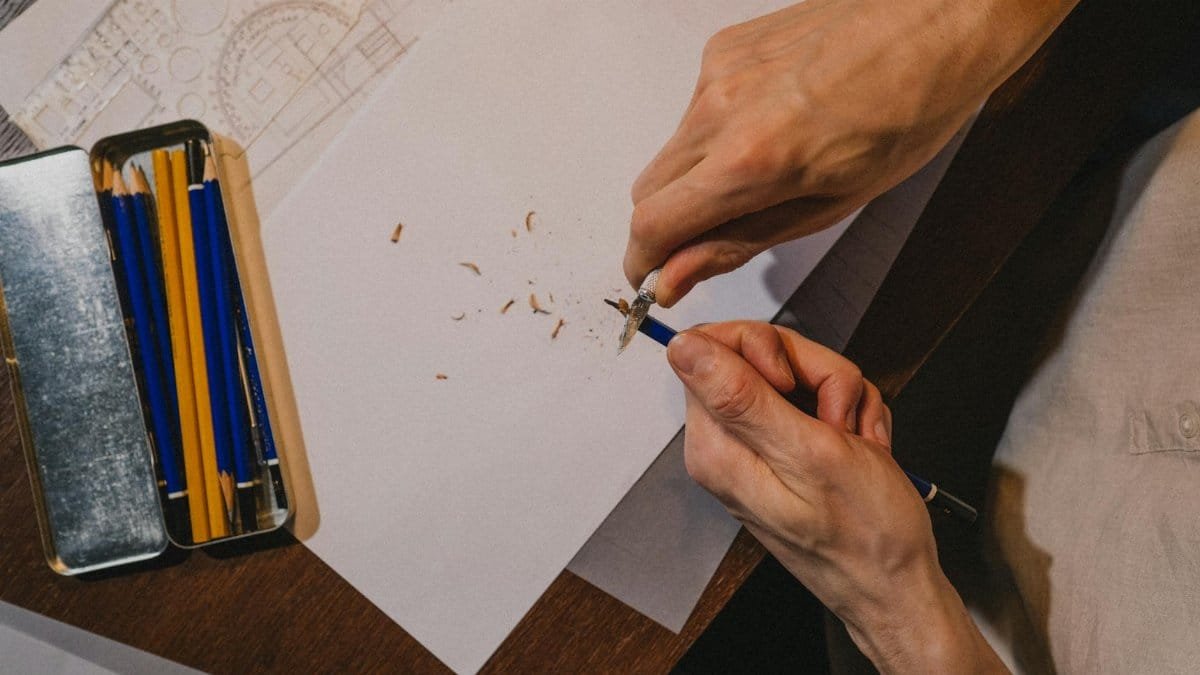
Beyond emotional benefits, collecting engages multiple cognitive functions. Research participants who maintain organized collections demonstrate improved focus, categorization skills, and longterm memory. Learning about the historical context or rarity of items stimulates continuous education that keeps minds active well into later decades.
One study accessible at https://www.apa.org/monitor/2015/02/collecting.pdf suggests that serious collectors develop expertise comparable to specialists in narrow fields. This mastery brings intellectual satisfaction and confidence that transfers to other life areas. For adults seeking mental stimulation outside work, this hobby provides gentle yet effective cognitive exercise wrapped in enjoyment.
Communities Built Around Common Passions

While some pursue their collections privately, many discover rich social connections through shared interests. Local stamp clubs, online forums, and convention gatherings create spaces where knowledge flows freely and friendships form across generational lines. These communities combat isolation particularly relevant for those facing retirement or relocation.
The exchange of duplicates, stories, and expertise fosters genuine belonging. Spiritual traditions across cultures have long recognized the sacred nature of shared ritual. In this sense, humans collecting becomes a contemporary expression of communal meaning making. Participants report feeling seen and valued within these circles in ways that transcend typical social interactions.
Recognizing The Line Between Hobby And Excess
Like many rewarding activities, collecting carries potential pitfalls. When acquisition overshadows appreciation or creates financial strain, the practice loses its benefits. Distinguishing healthy engagement from compulsion remains essential. Experts recommend periodic reflection on whether the collection still brings joy or has become burdensome.
Most enthusiasts successfully maintain balance by setting clear boundaries around spending and space. They focus on quality over quantity and periodically share or donate pieces to refresh their connection to the hobby. This mindful approach preserves the spiritual and psychological advantages while avoiding common traps.
Collecting As A Form Of Meditation
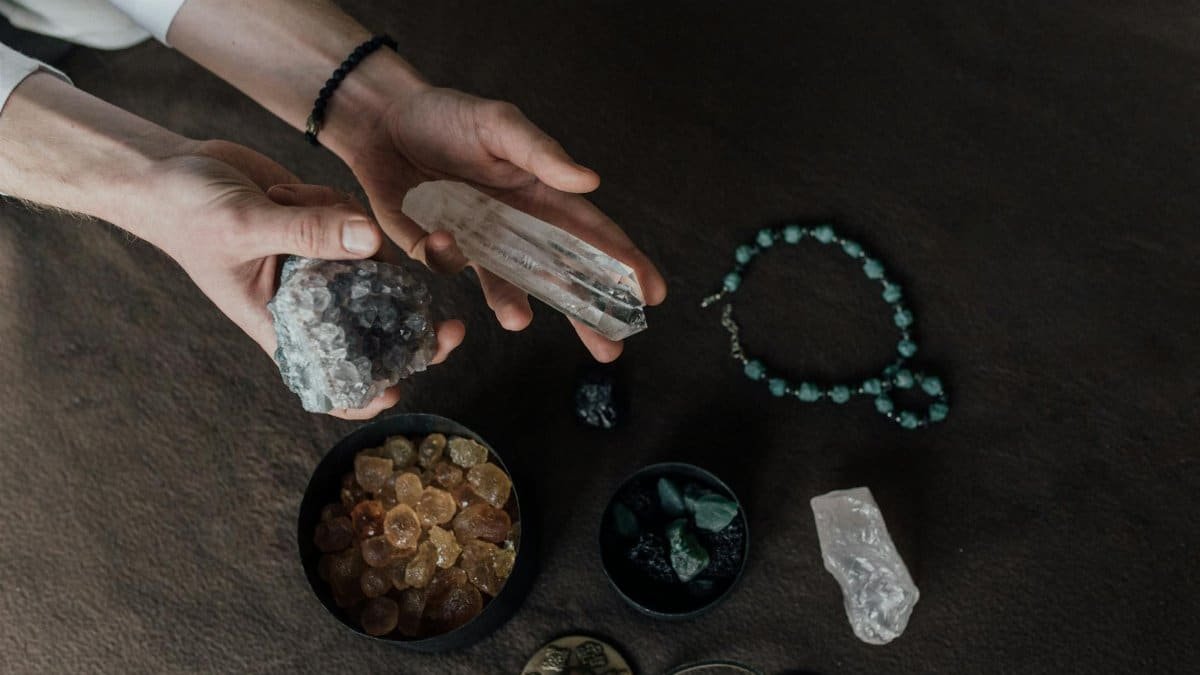
The most dedicated practitioners describe their sessions in almost reverent terms. The careful handling of objects, the focused attention on detail, and the appreciation of craftsmanship create a sacred pause in busy lives. This mirrors contemplative traditions that emphasize presence and wonder at the ordinary.
In caring for their collections, individuals practice gratitude for human creativity across time. They develop deeper observation skills that often extend to other areas of life. This heightened awareness carries genuine spiritual value, transforming a simple hobby into a pathway for personal growth and inner peace. The collection itself becomes a kind of altar to beauty, history, and human connection.
Adapting The Practice To Contemporary Life
Digital tools have expanded possibilities while preserving core satisfactions. Apps for cataloging collections, online marketplaces for discovery, and virtual communities allow busy adults to engage meaningfully without requiring excessive physical space. Many now maintain hybrid collections that blend physical treasures with digital archives.
This evolution ensures the practice remains accessible across life stages. Parents might collect alongside children, creating intergenerational bonds. Retirees discover new depth in pursuits once limited by time constraints. The fundamental impulse endures even as methods adapt to twenty first century realities.
Embracing The Lessons From What We Gather

Ultimately humans collecting teaches valuable perspectives on value, impermanence, and stewardship. Collections inevitably change through time. Pieces get sold, damaged, or passed to new hands. This cycle encourages acceptance and reminds enthusiasts to appreciate possessions without excessive attachment.
The original exploration of this topic at Happiful highlights how these activities promote psychological resilience and life satisfaction. By selecting, caring for, and reflecting upon chosen objects, individuals craft personal stories rich with meaning. In a disposable culture, this deliberate choosing affirms what deserves preservation.
Whether your interest lies in rare books, mineral specimens, or vintage textiles, the underlying rewards remain remarkably consistent. The practice invites us to slow down, notice details, connect with others, and construct meaning through the material world. In doing so, it offers a quiet yet profound form of spiritual nourishment perfectly suited to the reflective years of middle age and beyond.