

For many in the thick of career and family obligations the day begins long before the sun rises. The Inner Voice starts its commentary early reminding us of all that must be accomplished and all the ways we might fall short. It pushes with promises of success if only we try harder and do more. This constant pressure familiar to so many middle aged readers creates a state of perpetual tension that undermines both health and effectiveness. What was once perhaps a helpful internal coach has morphed into an exhausting taskmaster. The good news is that there are ways to quiet this harshness and replace it with a more supportive approach that actually enhances productivity over time. Rather than accepting this cycle as inevitable we can learn to cultivate a different relationship with ourselves one that honors our limits while still encouraging growth and achievement.
Where That Critical Inner Voice Comes From

Our Inner Voice takes shape through years of accumulated experiences expectations and messages absorbed from the surrounding culture. Early interactions with parents and teachers often tie affection and approval to performance and productivity. Over time these external standards become internal ones until the drive to achieve feels like an inseparable part of identity. By middle age many adults discover that this voice carries echoes of old criticisms and societal demands to optimize every hour. It masquerades as motivation yet frequently operates from fear of falling behind or appearing inadequate. Psychologists trace these patterns to adaptive childhood strategies that no longer serve us in adulthood. Seeing the voice as a learned habit rather than an absolute truth creates the necessary distance to begin changing it.
The Hidden Costs of Constant Self Pressure

The belief that harsher standards produce better results sits at the heart of many professional lives yet the data tell a different story. Sustained self criticism activates the body stress response keeping cortisol levels elevated and impairing memory focus and creative thinking. Sleep suffers appetite changes and a general sense of depletion follows. For middle aged adults juggling peak career demands aging parents and growing children the cumulative load becomes especially heavy. Relationships strain under the weight of irritability born from exhaustion. What begins as ambition quietly transforms into a rigid demand that leaves little room for joy or recovery. The very energy needed for meaningful work slowly drains away making the promised rewards feel increasingly out of reach.
How Harsh Self Talk Leads To Burnout

When the internal monologue stays locked in judgment no success ever feels sufficient. The focus remains fixed on gaps and shortcomings even after major accomplishments. This mental habit consumes enormous cognitive resources leaving fewer reserves for actual problem solving or innovation. Research consistently links elevated self criticism with higher rates of anxiety depression and emotional burnout. Physical warning signs appear as well from persistent fatigue to weakened immune function. Many reach a point where even small tasks provoke resistance because the anticipated self attack feels too painful. The cycle becomes self reinforcing: exhaustion lowers performance which intensifies the critical voice and deeper fatigue follows. Recognizing this mechanism is essential before any meaningful shift can occur.
The Emerging Science On Self Compassion

Over the past two decades researchers have built a robust case for self compassion as a measurable psychological resource. Kristin Neff pioneered much of this work demonstrating that people who score higher on self compassion scales experience less anxiety depression and perfectionism while showing greater life satisfaction. Her studies and those of other teams reveal that self compassion predicts better emotional regulation and faster recovery from setbacks. Contrary to fears that it might reduce drive the evidence shows it supports sustained effort by lowering the threat response that fuels procrastination and avoidance. For additional reading on these findings visit selfcompassion.org. The research carries particular relevance for middle aged adults seeking sustainable ways to maintain performance without sacrificing wellbeing.
What Self Compassion Actually Looks Like

Self compassion means offering oneself the same warmth and understanding extended to a close friend facing difficulty. It involves three main elements: mindful awareness of suffering common humanity and self kindness. When a project stalls or a presentation falls flat the compassionate response acknowledges the disappointment without spiraling into personal attack. It recognizes that struggle is universal rather than evidence of personal failure. This stance frees mental energy previously spent on self defense or rumination. Standards remain high but the method of pursuing them changes from coercion to encouragement. Over months this new tone reshapes daily experience making room for both ambition and acceptance in the same moment.
Simple Practices To Soften The Inner Voice

Transformation begins with small consistent actions rather than dramatic overhauls. Mindfulness meditation trains the mind to notice critical thoughts without automatically believing them. Many find it helpful to pause and ask whether they would speak the same words to a respected colleague or beloved child. Reframing exercises replace statements like this must be perfect with this is challenging and I am doing my best under real constraints. Some keep a journal where they write compassionate letters to themselves during stressful periods. These practices drawn from clinical psychology and contemplative traditions gradually strengthen the kinder internal presence. Progress accumulates through repetition until the new response becomes more automatic than the old criticism.
Spiritual Traditions That Champion Kindness

Across cultures spiritual teachings have long emphasized inward compassion as a prerequisite for genuine growth. Buddhist practices of metta or loving kindness begin by directing goodwill toward oneself before extending it outward. Contemplative streams within Christianity and other faiths speak of grace that must be received personally before it can be offered freely. Contemporary spiritual trends have merged these insights with psychological tools creating accessible paths for people who may not identify with any single religion. The common thread is the recognition that force and self aggression cannot produce lasting peace or creativity. Acceptance and gentle persistence open channels that striving alone keeps closed. This perspective resonates with growing numbers of readers looking beyond conventional success metrics.
Success Stories From Those Who Changed Their Approach

Real change appears in lives across many fields. A marketing director in her late forties realized her relentless self demands had cost her both health and creativity. After six months of deliberate practice in self compassion she reported completing projects with less friction and recovering faster from disappointments. Her team noticed the difference describing her leadership as more inspiring and less reactive. A freelance writer who once battled constant procrastination discovered that speaking kindly to himself during slow periods reduced anxiety and increased output. These accounts mirror patterns found in both therapeutic settings and personal essays where individuals describe reclaiming energy previously lost to internal conflict. The shift does not eliminate ambition but aligns it with greater sustainability and satisfaction.
Why Compassion Improves Productivity And Focus
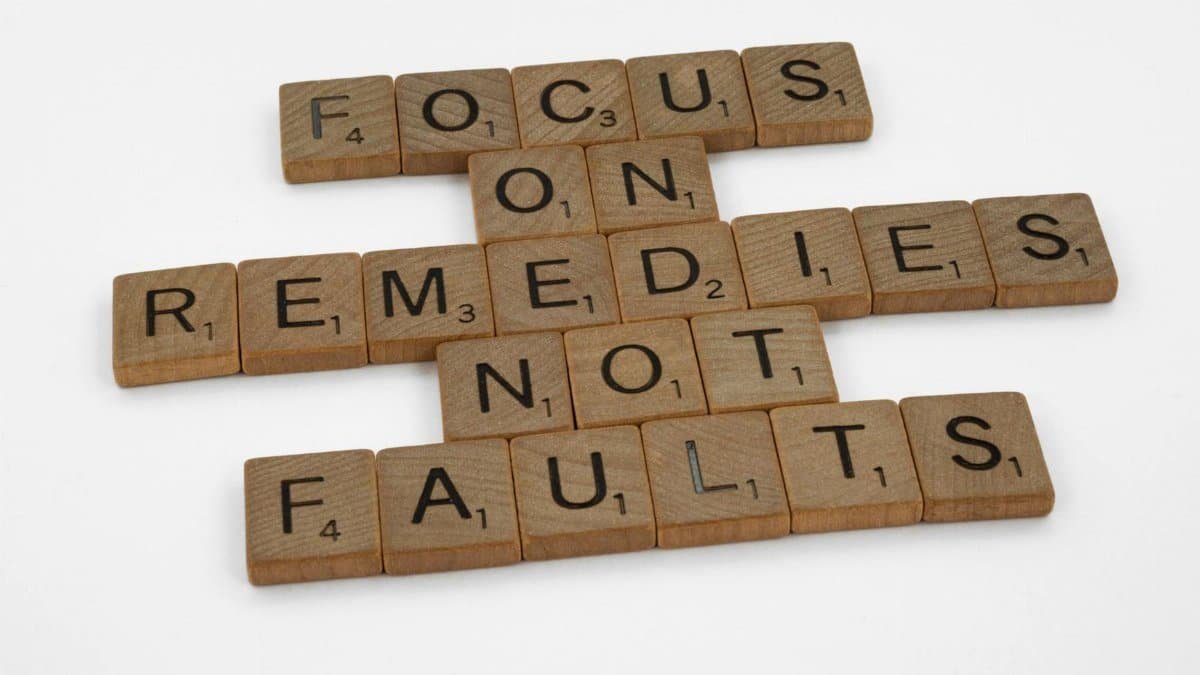
The notion that self compassion lowers standards persists despite mounting evidence to the contrary. By reducing the fear of harsh self judgment people engage more willingly with challenging tasks. They spend less time avoiding work out of dread and more time immersed in it. Recovery from mistakes happens more quickly because the internal environment supports learning rather than punishment. This creates a virtuous cycle in which confidence grows and attention deepens. Long term productivity rises because energy previously drained by criticism becomes available for sustained effort and creative thinking. Middle aged professionals often discover that this approach allows them to accomplish meaningful goals while preserving the relationships and health that give those goals meaning.
Creating Lasting Change In Daily Life

Embedding a new way of relating to oneself takes patience and repetition. Morning reminders or phone alerts can prompt brief moments of self kindness throughout the day. When the old critical voice emerges the practiced response interrupts it with a gentler statement. Support from books therapists or like minded communities accelerates progress by offering both accountability and fresh perspectives. One valuable resource appears in a Psychology Today piece that explores how the voice telling us to do more wears us out. Readers can examine that perspective in this article. Ultimately the goal is not to eliminate all self reflection but to ensure it serves our growth rather than undermining it. The quieter kinder voice that emerges brings renewed energy and clearer direction to whatever matters most.