
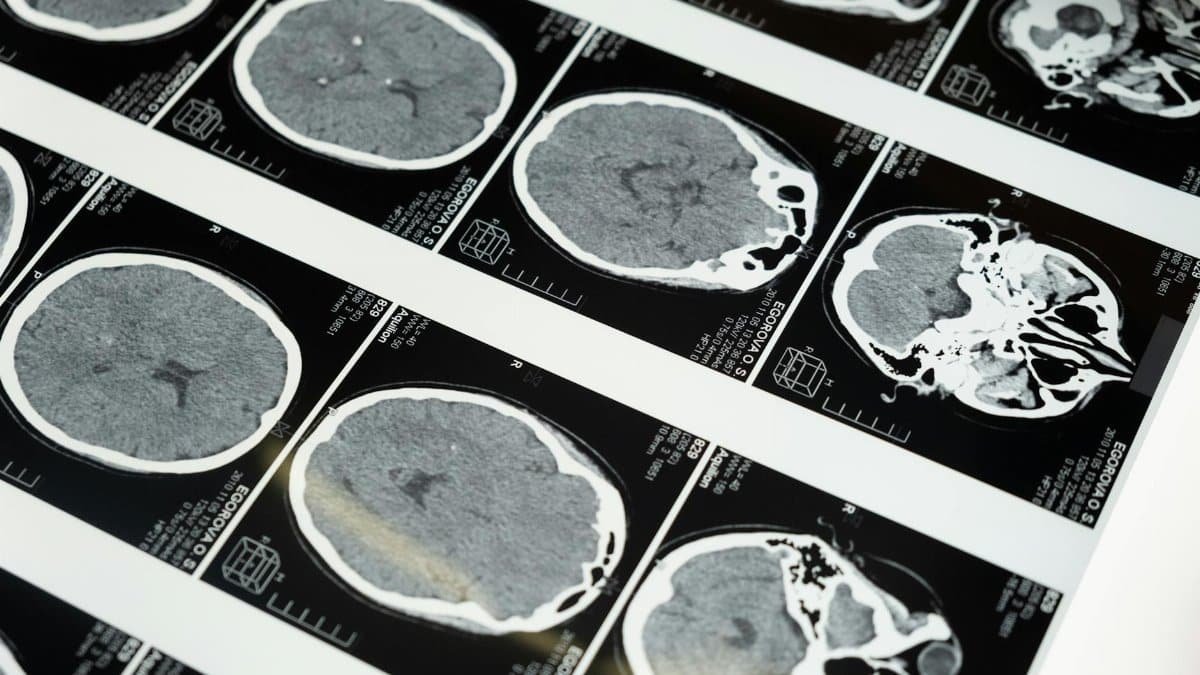
Scientists have uncovered evidence that challenges decades of conventional wisdom about the brain ability to change. A new study using advanced imaging technology shows that a single heroic psilocybin dose can lead to physical alterations in neural architecture. These modifications appear in areas responsible for mood regulation and self awareness. For countless individuals in their forties fifties and sixties who face persistent mental health challenges this news arrives as a beacon of hope. The research published in leading journals suggests that the effects extend far beyond the temporary hallucinations commonly associated with the substance. The timing could hardly be more significant as many in this demographic report increasing dissatisfaction with available options for emotional well being.
The investigation focused on healthy volunteers who agreed to receive a controlled psilocybin dose in a supervised clinical setting. Scans taken before and after the experience revealed increased synaptic density in several key regions. Such findings indicate that the brain retains a greater degree of malleability than previously believed. This discovery could pave the way for innovative therapies targeting conditions that have proven difficult to manage with current methods. The study adds to a growing body of work that seeks to understand the full potential of psychedelics when used responsibly.
Decoding What the Scans Showed
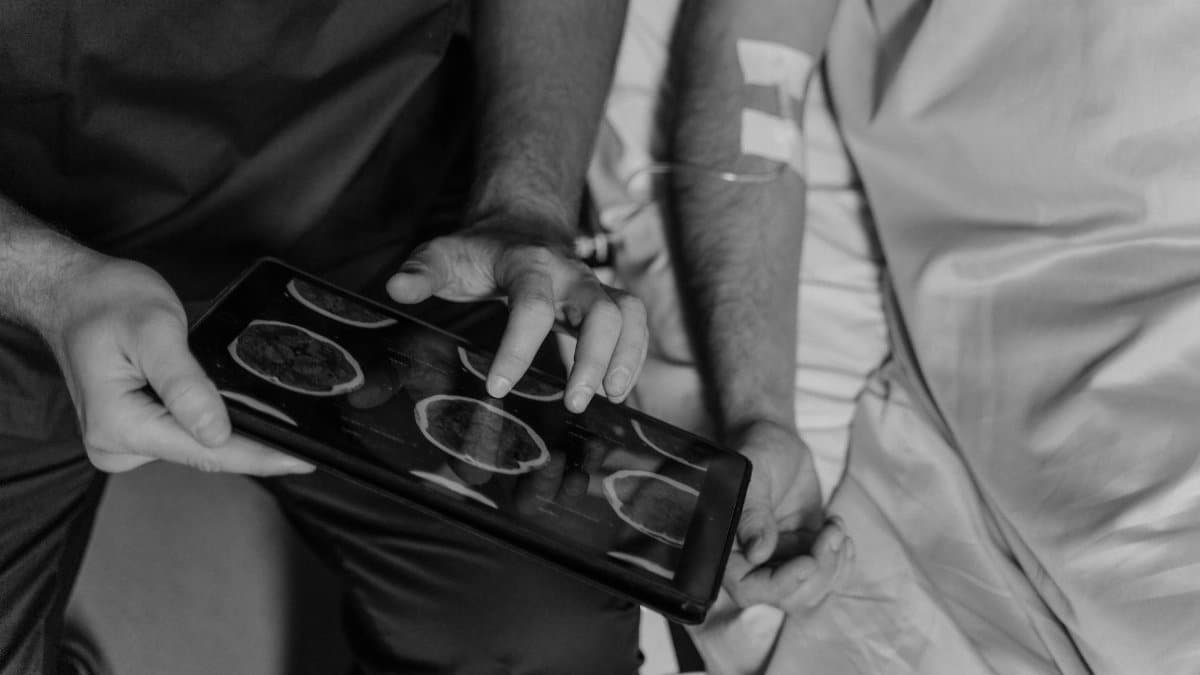
The team of neuroscientists utilized the most advanced scanning equipment to track subtle shifts in brain tissue. Their observations included a noticeable increase in the density of connections within the cortex. These physical brain changes were most evident in regions involved in emotional processing and introspection. According to a report in Scientific American the study offers a tantalizing clue to understanding how psychedelics exert their effects. Read the full report here.
Volunteers showed growth in dendritic structures that facilitate communication between brain cells. This growth remained detectable in scans conducted one month after the session. The increases suggest that the adult brain can rebuild pathways once thought permanently fixed. Such physical evidence provides concrete support for anecdotal reports of profound and lasting transformation.
Functional imaging captured decreased synchronization in the default mode network a collection of regions active during self referential thought. This temporary quieting aligned with descriptions of ego dissolution during the experience. When the network resumed normal operation it displayed greater flexibility and adaptability than before.
The Concept of a Heroic Experience

Within communities familiar with psychedelics the heroic level describes an amount large enough to produce a complete immersive journey. Preparation typically spans several weeks and includes medical screening as well as sessions with trained facilitators. The environment is carefully controlled to promote safety and meaningful engagement with whatever arises.
After the acute effects subside participants enter an integration phase where they process insights and incorporate them into daily life. The imaging data now suggests that structural shifts in the brain may help anchor these insights making them more accessible over time. This combination of careful preparation and biological change appears central to the reported benefits.
Researchers stress that context matters enormously. The same amount given without support or in an unsuitable setting can lead to challenging rather than healing outcomes. The clinical framework used in the study represents the gold standard for minimizing risks while maximizing potential gains.
Biological Pathways Involved in the Process
Psilocybin binds primarily to serotonin receptors sparking a cascade that includes release of brain derived neurotrophic factor. This protein supports neuron survival and encourages sprouting of new branches. The imaging study captured signs of this activity both during the session and in the weeks that followed. The persistence of these changes indicates that one well prepared experience can influence brain architecture for an extended period.
Unlike medications that require daily intake to maintain chemical balance this approach seems to initiate a self reinforcing cycle of growth and reconnection. Areas involved in fear response and rumination showed particularly robust renewal. These biological observations align closely with participant reports of reduced anxiety and greater emotional range.
Scientists continue to map exactly how dosage intensity and individual biology interact to produce these outcomes. Early indications point toward a sweet spot where therapeutic effects emerge without unnecessary intensity.
Potential Benefits for Middle Aged Adults

People in middle age often confront accumulated stress career transitions health worries and a searching quality that can shade into quiet despair. Standard treatments help many yet a substantial minority find them insufficient. The possibility that a carefully administered psilocybin dose could promote brain renewal offers an intriguing alternative worth serious consideration.
Related clinical work has shown improvements in mood openness to experience and overall sense of meaning. These shifts could prove especially relevant for those who have carried the same limiting thought patterns for decades. Rather than masking symptoms the intervention appears to address root rigidity in neural networks shaped by long term stress.
Experts caution that this research remains in early stages. Results from small carefully selected groups may not apply universally. Still the physical evidence of change provides a biological foundation for the hope many patients express after conventional routes have stalled.
Listening to the Participants Stories

One volunteer a business executive in his late fifties described an unexpected welling up of compassion for his younger self and the pressures he had carried silently for years. The experience softened decades of self criticism and left him more patient with colleagues and family alike. Another participant a teacher nearing retirement spoke of shedding a persistent sense of futility that had colored her view of retirement.
These accounts share a common structure: an intense period of confronting difficult material followed by a spaciousness that lingers. The brain scans offer a possible explanation for why these shifts can endure. New connections may stabilize insights that therapy alone sometimes struggles to embed.
Every participant emphasized the importance of the support team present throughout. Integration meetings in the days and weeks afterward helped translate visionary moments into practical changes in behavior and priorities.
Navigating the Risks and Responsibilities

Any potent substance demands respect. Intense anxiety temporary confusion or reexperiencing of past trauma can occur even in controlled settings. Individuals with personal or family histories of psychosis face elevated risks and are typically excluded from trials. Screening processes aim to identify these vulnerabilities before any compound is administered.
Recreational contexts rarely provide the same level of preparation or medical oversight. This gap explains why media stories sometimes highlight adverse events while clinical data show markedly different safety profiles. Responsible exploration requires attention to set setting and ongoing support both during and after the session.
Medical professionals involved in this research advocate for regulated therapeutic frameworks rather than broad legalization without guardrails. Training standards for facilitators remain an active topic of discussion as interest grows.
Comparing to Existing Treatment Approaches

Conventional antidepressants often require weeks to take effect and frequently produce side effects ranging from emotional blunting to weight gain. Many patients must continue medication indefinitely to prevent relapse. In contrast the imaging study suggests psilocybin can initiate structural reform that supports wellness with far fewer ongoing interventions.
This difference in mechanism excites researchers exploring treatment resistant cases. Where pills modulate chemistry the psychedelic route seems to encourage the brain to revise its own wiring. Cognitive behavioral therapy paired with the experience may amplify and sustain these gains creating a truly multimodal path toward recovery.
Cost considerations also arise. A limited number of supervised sessions could prove less expensive over decades than lifelong pharmaceutical regimens though insurance coverage questions remain unresolved.
The Current Regulatory Environment

Federal agencies have shown increasing openness to well designed psychedelic research. Breakthrough therapy designations have accelerated review timelines for certain indications. Meanwhile several municipalities have removed penalties for personal possession of mushrooms reflecting shifting public sentiment.
These policy experiments occur alongside rigorous clinical work that seeks to establish safety and efficacy data acceptable to regulators. The new imaging results are expected to strengthen applications for larger phase three trials. If successful such trials could lead to prescription access within medically supervised programs in coming years.
Advocates argue that regulated access protects vulnerable populations while allowing those who might benefit to receive care under proven protocols. Critics worry about hasty commercialization before long term effects are fully mapped.
Perspectives from Leading Neuroscientists

Prominent researchers have welcomed the findings while urging measured interpretation. One veteran investigator described the observed dendritic growth as among the most compelling evidence yet of inducible plasticity in adult humans. Others note that correlation between brain changes and clinical improvement still requires further validation across larger cohorts.
Interdisciplinary teams now include anthropologists who help situate the work within humanity long relationship with visionary plants. This broader lens prevents reductionist views that ignore the profound meaning participants frequently report. The dialogue between hard science and lived experience enriches both domains.
Future Avenues for Investigation
Scientists plan to test the intervention in patients rather than healthy volunteers to assess therapeutic impact more directly. Brain imaging will be paired with detailed psychological assessments genetic profiling and even wearable monitors that track sleep and autonomic function. Such comprehensive data should clarify which individuals stand to gain most.
Questions persist about minimal effective amounts optimal number of sessions and the precise role of music and other elements in the therapeutic container. Microdosing protocols will receive side by side comparison with full heroic level approaches. As imaging resolution improves researchers hope to visualize changes at the level of individual synapses rather than broader regions.
International collaboration will prove essential. Cultural attitudes toward psychedelics vary widely and lessons from traditional practices in Central America could inform safer more respectful Western models.
Connecting Science with Traditional Knowledge

Indigenous peoples of Mexico and Central America have worked with psilocybin containing mushrooms in ceremonial contexts for centuries. Their accumulated knowledge emphasizes respect preparation and community integration knowledge that modern clinical trials have independently discovered improves outcomes.
Contemporary research thus represents a homecoming of sorts. Tools unavailable to earlier healers now confirm observable changes in brain tissue that support traditional claims of healing and insight. This convergence invites humility on all sides. Scientists gain richer context while traditional practitioners receive validation that their methods rest on real biological foundations.
The path forward seems clearest when both streams of knowledge inform one another. Medical frameworks can offer safety and standardization while cultural wisdom supplies meaning and ritual elements that deepen the transformative process.
The imaging study marks a notable advance in our grasp of how the brain can renew itself. Physical changes once considered impossible in adulthood now appear within reach under specific conditions. Continued responsible research will determine how best to translate these laboratory discoveries into meaningful help for those navigating the complex terrain of middle age and beyond. The clues provided so far justify careful optimism and sustained scientific attention.