

In the quiet moments after his amputation a former soldier began to feel an intense burning in a foot that was no longer there. Doctors explained it as phantom limb pain but for him it was all too real. This case and countless others like it challenge our conventional understanding of discomfort. Neuroscience now shows that chronic pain is not merely a signal of injury. Instead it is actively constructed by the interplay between body sensations brain interpretations and even our emotional states. This revelation opens new pathways for both medical intervention and personal transformation.
The Bodily Map That Lingers

Long after an injury heals or a limb is lost the brain retains a detailed map of the body. This internal blueprint known as the neuromatrix continues to generate sensations based on expectations rather than current reality. Ronald Melzack the pioneering researcher who developed this theory observed that pain emerges from a network of brain regions working in concert. When that network becomes stuck in a loop the result can be persistent discomfort that defies simple explanation.
Studies using brain imaging reveal heightened activity in areas responsible for sensory processing emotion and memory even when no ongoing tissue damage exists. One investigation published in the journal Pain documented these patterns in individuals experiencing phantom sensations providing a window into how the brain fills in missing information with vivid and sometimes excruciating detail. Readers can explore the original research at Scientific American.
Phantom Sensations Explained

Phantom limb experiences offer one of the clearest demonstrations of the brains constructive power. Patients report feeling pressure temperature and even agonizing cramps in limbs that no longer exist. This occurs because the brain regions that once received input from the missing limb remain active and continue to produce representations of sensation.
Vilayanur Ramachandran pioneered innovative approaches to this phenomenon including mirror box therapy in which patients view a reflection of their intact limb moving. The visual feedback helps update the brains map often reducing pain intensity dramatically. These findings underscore that what we feel as chronic pain may stem as much from neural miscommunication as from any physical source.
How Context and Memory Shape Pain
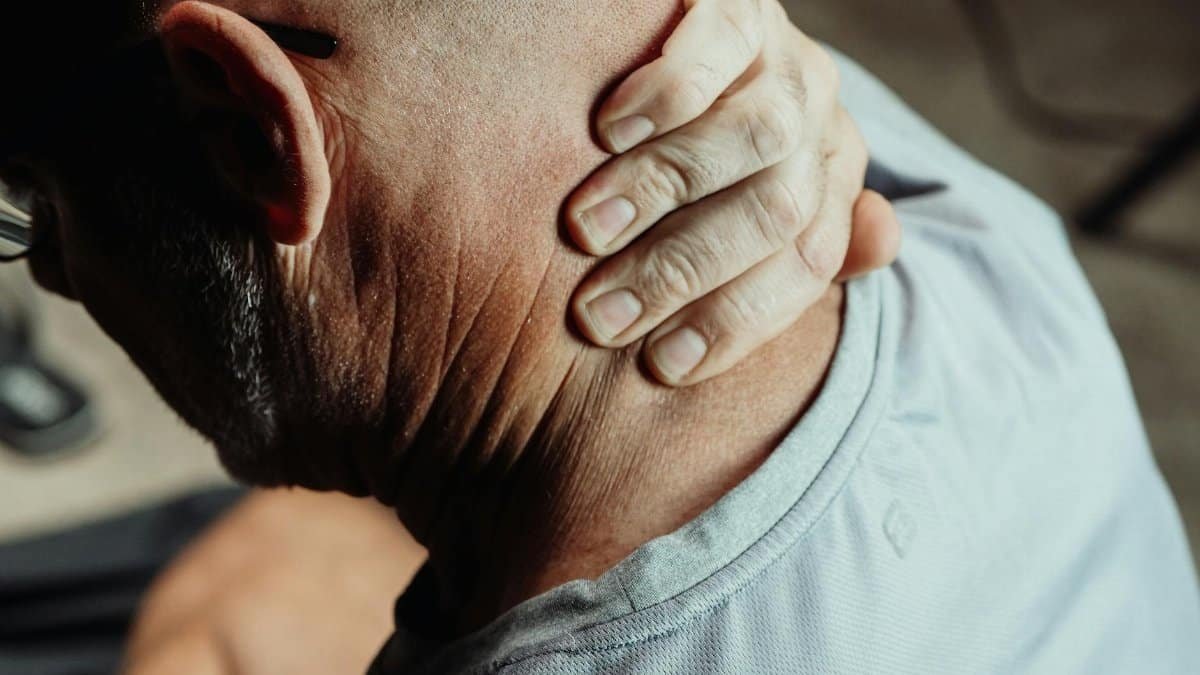
Our brains do not process pain in isolation. They constantly reference past experiences current environment and future predictions. A gentle touch on sunburned skin feels far more unpleasant than the same touch on healthy skin because the brain amplifies the signal based on context. This predictive mechanism explains why some surgical patients who expect severe postoperative discomfort report higher pain levels than those prepared with reassuring information.
Memory also plays a crucial role. Previous painful episodes can sensitize neural pathways making future sensations more intense. This learning process once protective can become maladaptive when it contributes to longstanding conditions that resist conventional treatments.
The Impact of Emotional States

Emotional wellbeing and pain perception exist in constant dialogue. Anxiety fear and depression can amplify discomfort while hope and social connection often diminish it. Brain imaging shows that regions involved in processing emotion overlap significantly with those handling pain signals. When someone feels isolated or hopeless the physical sensation itself may intensify.
This connection carries particular weight for middle aged adults navigating career demands family responsibilities and sometimes unresolved trauma. The cumulative stress of daily life can feed directly into heightened pain sensitivity creating cycles that feel impossible to break.
Neuroplasticity and Its Potential

The same neural flexibility that allows chronic pain to take hold also offers routes toward relief. Neuroplasticity refers to the brains ability to form new connections and reorganize itself throughout life. Targeted practices can help rewrite the neural patterns that sustain suffering.
Graded motor imagery and carefully designed movement therapies have shown promise in clinical settings. By gradually exposing the brain to corrected information these approaches help update outdated body maps. Research from leading universities confirms that consistent practice over weeks and months can produce measurable changes in both brain structure and reported pain levels.
Mindfulness as a Tool for Relief
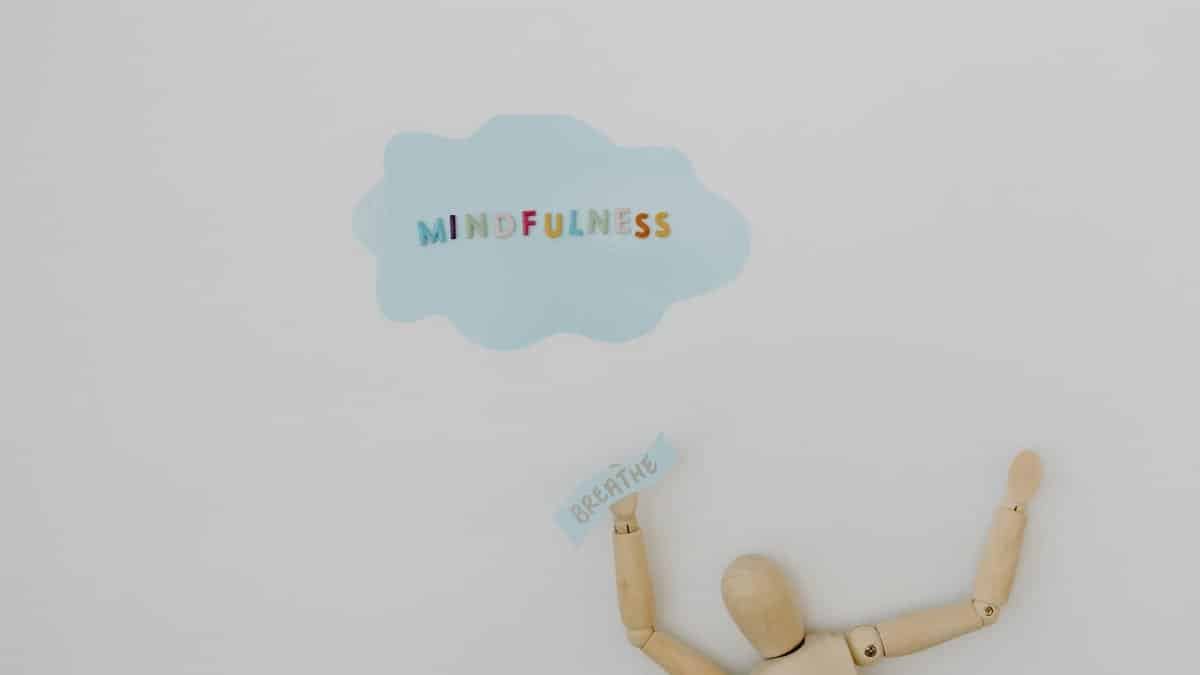
Mindfulness practices drawn from contemplative traditions have gained scientific validation for their effects on pain. Rather than attempting to eliminate sensations these methods cultivate a different relationship to discomfort. Practitioners learn to observe pain with curiosity instead of automatic resistance.
A randomized trial published in JAMA Internal Medicine found that mindfulness based stress reduction helped participants reduce chronic pain severity and improve daily functioning. The eight week program led to changes in brain regions associated with attention and emotional regulation. Participants frequently described feeling less defined by their discomfort and more able to engage fully in life.
Where Ancient Traditions Align with Neuroscience

Many spiritual traditions have long taught that suffering arises from our relationship to experience rather than experience itself. Buddhist psychology for instance distinguishes between the unavoidable first arrow of pain and the second arrow of resistance that often compounds it. Modern neuroscience increasingly echoes these insights.
When researchers examine experienced meditators they find altered pain processing. These individuals show decreased activity in areas linked to emotional distress even when basic sensory regions remain active. This suggests that spiritual practices refined over centuries may work by modulating precisely the brain networks now being mapped in laboratories. The convergence offers rich possibilities for those seeking both understanding and relief.
Holistic Strategies for Management

Effective pain management increasingly combines scientific insight with whole person approaches. Movement practices like gentle yoga breath work and social connection all influence the same neural networks involved in pain construction. Nutrition sleep quality and meaningful daily activity likewise play supporting roles.
For many middle aged individuals these strategies resonate because they address not only physical symptoms but also the search for purpose and presence that often intensifies during this life stage. When people reconnect with activities that matter to them the brains construction of pain can shift in subtle but significant ways.
Personal Accounts of Overcoming Adversity
Across the country individuals have found unexpected paths through longstanding pain. One woman who endured years of back discomfort after a workplace injury discovered that learning about her brains role reduced her fear dramatically. That cognitive shift combined with consistent mindfulness practice allowed her to return to gardening and community involvement.
Such stories do not suggest pain is imaginary. They illustrate instead that expanding our understanding of its sources can unlock new forms of agency. Healthcare providers increasingly incorporate these perspectives helping patients move from passive endurance toward active participation in their own healing process.
Emerging Research and Future Possibilities

Scientists continue to refine their models of how the body and brain construct chronic pain. Virtual reality environments that reshape body perception show early promise. Noninvasive brain stimulation techniques are being studied for their ability to interrupt maladaptive patterns. At the same time researchers are exploring how social factors and cultural narratives influence individual pain experiences.
These developments arrive at a moment when many people seek more integrated solutions that honor both scientific rigor and human meaning. By recognizing pain as a constructed experience rather than an immutable truth we gain new languages for compassion self understanding and genuine relief. The frontier lies not in eliminating all discomfort but in changing our relationship to it in ways that restore dignity and possibility.